How to Draw a Cartoon Mouth
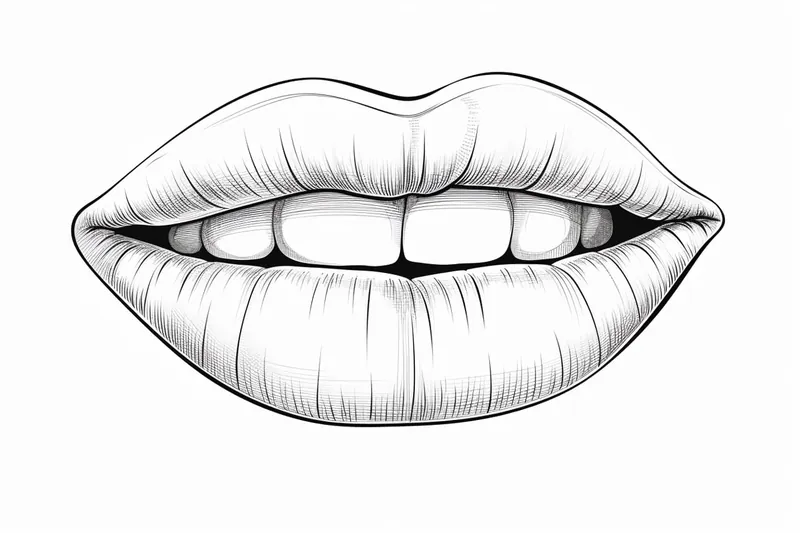
Learn how to draw a cartoon mouth in easy steps. This step-by-step tutorial will guide you through the process, allowing you to create expressive and lively cartoon characters.
Materials You'll Need
- Pencil
- Paper
- Eraser
Have you ever wanted to learn how to draw a cartoon mouth that truly conveys emotion and character? Cartoon mouths are essential elements in character design because they can express a wide range of feelings—joy, surprise, sarcasm, or even mischief—through simple shapes and lines. Mastering this skill allows you to breathe life into your drawings, making your characters more relatable and memorable. Whether you're creating comics, animations, or personal sketches, understanding how to draw a cartoon mouth can elevate your artwork and storytelling.
This tutorial is designed to guide artists of all skill levels, from beginners just starting to explore drawing to more experienced creators looking to refine their technique. Drawing cartoon mouths involves learning about proportions, line quality, and how subtle variations in shape and curve can dramatically change the mouth's expression. We'll cover foundational techniques such as sketching basic outlines, adding details like lips and teeth, and experimenting with different mouth shapes to capture diverse emotions. With patience and practice, you'll gain confidence in crafting mouths that complement your characters' personalities perfectly.
By following this step-by-step guide on how to draw a cartoon mouth, you'll develop not only technical skills but also a deeper understanding of visual expression. Remember, each artist's style is unique, so feel free to experiment and make the mouths your own. Drawing cartoon mouths can be fun and rewarding, offering endless possibilities to enhance your characters' charm. So grab your pencil and paper, and let's get started on this creative journey together!
Materials Required
Before we begin, gather the following materials:
- Pencil: A good quality pencil will allow you to create precise lines and easily erase any mistakes.
- Paper: Choose a smooth and sturdy paper that can withstand erasing without tearing.
- Eraser: An eraser is essential for making corrections and cleaning up your drawing.
- Fine-tipped pen or marker (optional): You can use a pen or marker to outline your final drawing and add some boldness to your lines.
- Coloring supplies (optional): If you want to add color to your cartoon mouth, gather colored pencils, markers, or paints.
Now that you have everything you need, let's dive into the steps for drawing a cartoon mouth.
Step 1: Draw the Basic Shape
Start by drawing a horizontal line slightly curved upward in the middle. This line will serve as the base for the upper lip. Next, draw a slightly curved line below the first one to create the bottom lip. Make sure the shape of the lips complements the overall shape and expression of your cartoon character. For example, if your character is smiling, the lines will curve upward at the ends.
Step 2: Add the Upper Lip
Now, let's add some details to the basic shape. Begin by drawing a curved line above the horizontal line to form the shape of the upper lip. The curve should be subtle and follow the natural contour of the basic shape. Make the middle of the upper lip slightly more pronounced than the ends to give it some dimension and depth.
Step 3: Complete the Lower Lip
Next, draw another curved line below the horizontal line to create the shape of the lower lip. The lower lip is generally fuller and more defined than the upper lip. Make sure the curve of the lower lip matches the curve of the upper lip, creating a cohesive look. Connect the ends of the upper and lower lips with small curved lines at each corner of the mouth.
Step 4: Define the Lips
To give the lips more definition, add a small curve in the center of the upper lip, creating the cupid's bow. This curve is more prominent in some people and less pronounced in others, so adjust it to fit the style of your cartoon. Repeat this step for the lower lip, drawing a slightly curved line in the center to define its shape.
Step 5: Add Details
To make the cartoon mouth more interesting, let's add some details. Start by drawing short and curved lines along the contour of the upper and lower lips. These lines represent the natural creases and folds of the lips. Be careful not to make them too rigid or symmetrical. Variation in the lengths and curvatures of the lines will make the mouth appear more realistic and dynamic.
Step 6: Choose the Expression
The expression of the mouth plays a significant role in conveying emotions in cartoons. Decide on the expression you want your character to have, whether it's a smile, frown, or an open-mouthed expression. Adjust the shape and position of the lips accordingly. For a smile, raise the corners of the mouth, and for a frown, angle them downward. Combine the different elements we've covered so far to create the desired expression.
Step 7: Refine and Clean Up
Now that you have drawn the basic structure and added details to your cartoon mouth, it's time to refine your drawing. Take a step back and examine the overall shape and proportions. Make any necessary corrections by erasing and redrawing any uneven or misplaced lines. Use a fine-tipped pen or marker to outline your final drawing if you want to give it a more finished look.
Conclusion
Congratulations! You have successfully learned how to draw a cartoon mouth. By following these step-by-step instructions, you can create a wide range of expressive and captivating cartoon mouths. Remember, practice makes perfect, so keep trying different styles and expressions to develop your skills further. Have fun experimenting and bringing your cartoon characters to life with unique and lively mouths!
Fun Facts About Cartoon Mouth
- The shape of a cartoon mouth can instantly convey a character's emotion, from joy to sarcasm, making it a powerful storytelling tool.
- Cartoon mouths often exaggerate real human expressions to enhance readability and emotional impact.
- Mastering the proportions and curves of a cartoon mouth is essential for creating believable and relatable characters.
- Adding small details like creases and folds in the lips can make cartoon mouths appear more dynamic and realistic.
- Different mouth shapes can represent a wide range of sounds and speech patterns in animation, crucial for lip-syncing.
- Cartoon mouths are often simplified to basic shapes to speed up the animation process while maintaining expressiveness.
- The "cupid's bow" shape in the upper lip is a common feature in cartoon mouths to add character and style.
- Experimenting with mouth shapes allows artists to develop unique character personalities and moods.
- Cartoon mouths can be drawn with or without teeth, depending on the desired expression and style.
- Learning to draw cartoon mouths improves overall character design
Suggestions for Scenes and Settings for Cartoon Mouth Drawings
- A joyful character blowing bubbles at a sunny park, with their mouth wide open in delight.
- A mischievous cartoon villain smirking under a dark, stormy sky.
- A surprised character gasping in a haunted house with exaggerated open mouth detail.
- A shy character nervously biting their lower lip in a school hallway setting.
- A comedic chef tasting a spicy dish, with their mouth puffed up and eyes squinting.
- A talking animal in a forest expressing curiosity with an uneven, quirky smile.
- A futuristic robot character with a mechanical mouth displaying a sarcastic grin in a sci-fi cityscape.
- A sleepy cartoon character yawning widely in a cozy bedroom scene.
- An excited child blowing out candles on a birthday cake, mouth forming a perfect "O" shape.
- A confident superhero shouting a battle cry atop a skyscraper at sunset.
Fun Facts About Cartoon Mouth
- The shape of a cartoon mouth can instantly convey a character's emotion, from joy to sarcasm, making it a powerful storytelling tool.
- Cartoon mouths often exaggerate real human expressions to enhance readability and emotional impact.
- Mastering the proportions and curves of a cartoon mouth is essential for creating believable and relatable characters.
- Adding small details like creases and folds in the lips can make cartoon mouths appear more dynamic and realistic.
- Different mouth shapes can represent a wide range of sounds and speech patterns in animation, crucial for lip-syncing.
- Cartoon mouths are often simplified to basic shapes to speed up the animation process while maintaining expressiveness.
- The "cupid's bow" shape in the upper lip is a common feature in cartoon mouths to add character and style.
- Experimenting with mouth shapes allows artists to develop unique character personalities and moods.
- Cartoon mouths can be drawn with or without teeth, depending on the desired expression and style.
- Learning to draw cartoon mouths improves overall character design and storytelling skills, making characters more memorable and engaging.
Suggestions for Scenes and Settings for Cartoon Mouth Drawings
- A joyful character blowing bubbles at a sunny park, with their mouth wide open in delight.
- A mischievous cartoon villain smirking under a dark, stormy sky.
- A surprised character gasping in a haunted house with exaggerated open mouth detail.
- A shy character nervously biting their lower lip in a school hallway setting.
- A comedic chef tasting a spicy dish, with their mouth puffed up and eyes squinting.
- A talking animal in a forest expressing curiosity with an uneven, quirky smile.
- A futuristic robot character with a mechanical mouth displaying a sarcastic grin in a sci-fi cityscape.
- A sleepy cartoon character yawning widely in a cozy bedroom scene.
- An excited child blowing out candles on a birthday cake, mouth forming a perfect "O" shape.
- A confident superhero shouting a battle cry atop a skyscraper at sunset.