How to Draw a Brick Wall
Learn to draw a brick wall with this step-by-step tutorial. Create realistic textures and add architectural interest to your drawings. Perfect for artists of all levels.
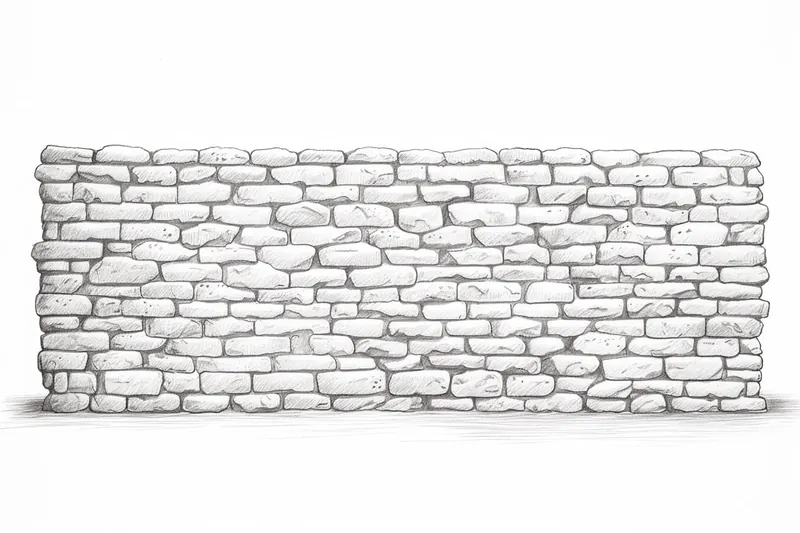
Materials You'll Need
- Pencil
- Paper
- Eraser
Drawing a brick wall is a fantastic exercise for artists at all skill levels who want to improve their understanding of texture, perspective, and pattern repetition. Brick walls are a common architectural element that can add depth and realism to your artwork, whether you are creating urban landscapes, backgrounds, or detailed still lifes. By learning how to draw a brick wall, you not only enhance your ability to depict structured surfaces but also develop patience and precision, as the pattern requires careful alignment and consistent spacing to look convincing.
In this tutorial, we will break down the process of how to draw a brick wall into manageable steps, focusing on foundational drawing techniques such as creating straight lines, establishing a grid for accurate brick placement, and adding shading to give the bricks a three-dimensional appearance. This project is ideal for beginners who want to build confidence with line work and perspective, as well as intermediate artists looking to refine their texturing skills. With just a pencil, paper, and a willingness to practice, you'll soon be able to create realistic brick walls that enhance your compositions.
Whether you're sketching as a hobby or aiming to improve your professional portfolio, mastering how to draw a brick wall will be a valuable addition to your artistic toolkit. Don't worry if it feels challenging at first—each brick you draw is a step toward greater skill and creativity. So grab your materials, follow along, and enjoy the process of bringing this classic architectural feature to life on your page!
Materials Required
Before we get started, let's gather the necessary materials for this project. You'll need:
- Drawing paper or sketchbook
- Pencil (preferably a 2B or softer)
- Ruler
- Eraser
- Colored pencils or markers (optional)
Now that we have our materials ready, let's dive into the process of drawing a brick wall.
Step 1: Sketch the Basic Outline
Start by lightly sketching the basic outline of the brick wall on your drawing paper. You can determine the size and shape of the wall based on your preference and the composition of your artwork. Use a ruler to ensure the lines are straight and even.
Step 2: Establish the Brick Placement
Using your ruler, draw horizontal lines across the wall to represent the placement of the bricks. These lines should be parallel and evenly spaced. The spacing will depend on the size of your bricks, so adjust accordingly. Remember that real brick walls have some variation in brick size and spacing, so don't strive for absolute uniformity.
Step 3: Draw the Vertical Lines
Next, draw vertical lines intersecting the horizontal lines to create the individual bricks. Again, use your ruler to ensure they are straight and evenly spaced. Keep in mind that bricks have some irregularities, so you can vary the width of the bricks slightly for a more realistic effect.
Step 4: Add Texture to the Bricks
To give the bricks a realistic texture, lightly draw small horizontal lines or dashes across each brick. This will mimic the rough surface of actual bricks and add depth to your drawing. Be consistent with the direction of these lines to maintain a cohesive look.
Step 5: Shade the Bricks
Now it's time to add shading to the bricks to make them appear three-dimensional. Using your pencil, darken one side of each brick, leaving the opposite side lighter. This shading technique creates the illusion of light and shadow. Take your time with this step, as it can greatly enhance the realism of your brick wall.
Step 6: Fine-tune the Details
Once you have shaded all the bricks, take a step back and assess your drawing. Look for any areas that may need refinement or additional detail. You can use your eraser to lighten or correct any mistakes. Pay attention to the overall balance of light and dark areas, as well as the perspective of the wall.
Step 7: Optional Coloring
If you want to add color to your brick wall, now is the time to do so. Colored pencils or markers can be used to add depth and vibrancy to the drawing. Consider using a range of warm earth tones, such as reds, browns, and oranges, to capture the natural color of bricks. Remember to apply the color lightly at first and gradually build up layers for a smoother effect.
Conclusion
Congratulations! You have successfully learned how to draw a realistic brick wall. By following these step-by-step instructions and practicing regularly, you can refine your skills and create impressive drawings with brick textures. Remember to be patient and experiment with different shading techniques to achieve the desired effect.
Drawing a brick wall can add a touch of realism and architectural interest to your artwork. So, grab your materials and start sketching! With practice, you'll be able to incorporate brick walls seamlessly into your drawings.
Fun Facts About Brick Wall
- Bricks have been used as a building material for over 7,000 years, making brick walls one of the oldest construction methods.
- The strength of a brick wall depends not only on the bricks but also on the mortar that binds them together.
- Brick walls provide excellent thermal mass, helping to regulate indoor temperatures by absorbing and slowly releasing heat.
- The pattern in which bricks are laid is called a bond, with common types including running bond, Flemish bond, and English bond.
- Brick walls are highly fire-resistant, which is why they have been used historically in urban areas to reduce fire spread.
- Many famous landmarks, such as the Great Wall of China, are essentially massive brick walls built for defense and durability.
- Brick walls can last for centuries if properly maintained, with some historic brick structures still standing after 500+ years.
Suggestions for Scenes and Settings for Brick Wall Drawings
- An aged brick wall covered partially with creeping ivy and moss, showing nature reclaiming urban space.
- A graffiti-covered brick wall in a bustling city alleyway, capturing vibrant street art and urban culture.
- A close-up of a sunlit brick wall with visible cracks and textures, emphasizing weathering and time.
- A brick wall with a rustic wooden door embedded, hinting at a hidden garden or secret passage.
- A brick wall forming part of an old factory or warehouse, with industrial elements like pipes and metal fixtures.
- A perspective view of a long brick wall along a quiet street, showcasing linear patterns and vanishing points.
- A brick wall with colorful flower pots hanging or mounted, blending architecture with nature.
- A brick wall partially demolished, revealing layers beneath or construction work in progress.
- A cozy fireplace built with bricks, focusing on the warmth and texture of the bricks in a home setting.
- A nighttime scene where a brick wall is illuminated by street lamps, creating dramatic shadows and highlights.