How to Draw a Bear Face
Learn how to draw a bear face with this step-by-step tutorial. Capture the unique features and character of a bear in your drawing. Perfect for beginners and experienced artists.
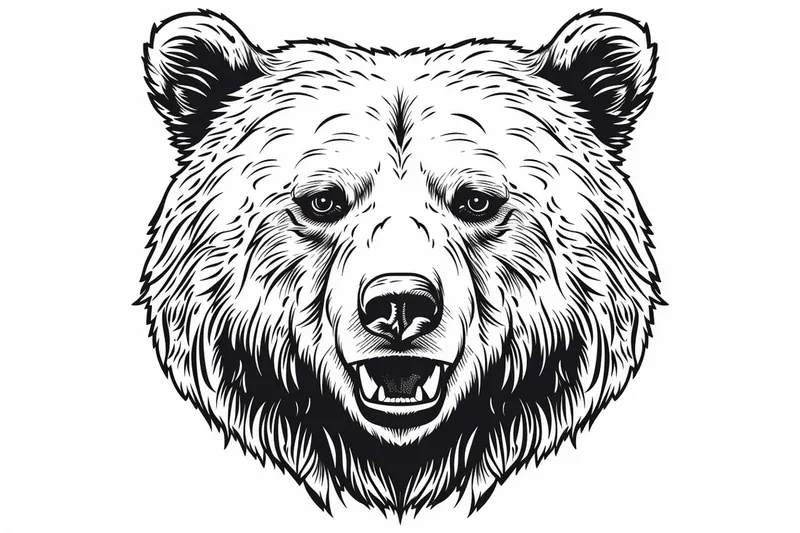
Materials You'll Need
- Pencil
- Paper
- Eraser
Welcome to this detailed and engaging tutorial on how to draw a bear face! Bears are majestic creatures known for their powerful presence and expressive features, making them a fascinating subject for artists of all levels. Drawing a bear face offers an excellent opportunity to explore animal anatomy, textures like fur, and the subtle emotions conveyed through their eyes and facial expressions. Whether you want to create wildlife art, add character to your illustrations, or simply enjoy the challenge, learning how to draw a bear face can be both rewarding and fun.
This tutorial is designed to guide you step-by-step, making it accessible whether you are a beginner just starting out or an experienced artist looking to refine your skills. We'll break down the process into manageable stages, focusing on fundamental techniques such as sketching shapes, defining contours, shading to create depth, and adding texture to mimic the softness of fur. By practicing these techniques, you'll not only be able to depict a realistic and expressive bear face but also enhance your overall drawing abilities and attention to detail.
So, gather your drawing tools and get ready to embark on this creative journey. With patience and practice, you'll soon find yourself confident in your ability to capture the unique character and strength of a bear through your artwork. Let's dive into this tutorial on how to draw a bear face and bring this magnificent animal to life on your paper!
Materials Required
To begin drawing a bear face, you'll need the following materials:
- Pencil: Use a sharpened pencil with an HB or B grade for outlining and shading.
- Eraser: Have a kneaded or vinyl eraser handy to correct any mistakes.
- Paper: Choose a clean sheet of paper that's suitable for drawing. A sketch pad or drawing paper works well.
That's it! With these basic materials in hand, you're ready to start drawing a bear face.
Step 1: Sketch the Basic Shapes
Begin by lightly sketching two overlapping circles. The larger circle will form the head, while the smaller one will represent the snout. Position the snout slightly below the center of the head to achieve a natural look. Take your time and ensure the circles are symmetrical.
Step 2: Add the Facial Features
Using the circles as a guide, draw the bear's eyes, nose, and mouth. Place the eyes in the upper half of the head, slightly to the sides of the vertical center line. Add a small almond-shaped nose at the bottom of the snout, and a curved line above it for the mouth.
Step 3: Define the Eyes and Nose
Now, let's add more detail to the eyes and nose. Draw small ovals within the eye shapes to represent the pupils. Next, create a highlight in each eye by leaving a small area unshaded. For the nose, darken the base of the almond shape and add tiny curved lines to indicate the nostrils.
Step 4: Outline the Face
Using the basic shapes as a guide, carefully outline the bear's face. Start with the forehead and work your way down to the snout. Pay attention to the contours of the face, following the curves and angles as you go. Make the lines slightly thicker and darker than the construction lines.
Step 5: Detail the Fur
Add fur texture to the bear's face by drawing small, curved lines around the head and snout. These lines should follow the rounded shape of the head and give the impression of soft, furry fur. Take your time with this step, as the fur adds depth and realism to the drawing.
Step 6: Shade the Face
To give the bear's face dimension, we'll add shading. Imagine a light source coming from one side of the drawing, and darken the opposite side accordingly. Use your pencil to gently shade the areas around the eyes, under the nose, and along the sides of the face. Add more layers of shading to create depth and contrast.
Step 7: Refine the Facial Features
Now that the overall form and shading are complete, it's time to refine the facial features. Pay attention to the proportions and enhance the details. Add more definition to the eyes by darkening the pupils and adding eyelashes. Create depth in the nose by adding darker shading to the sides and underside. Refine the shape of the mouth and add subtle lines to indicate fur.
Step 8: Finalize the Details
Take a moment to review your drawing and make any necessary adjustments. Ensure that the overall proportions look accurate and that the features are well-defined. Erase any construction lines that are still visible. With the final touches complete, your bear face drawing is ready to showcase!
Conclusion
Congratulations! You've successfully learned how to draw a bear face from start to finish. By using simple shapes and step-by-step instructions, you've created a realistic and expressive bear drawing. Remember, practice makes perfect, so feel free to experiment with different poses and expressions. Whether you're sketching a bear face for a project or just for fun, these techniques will help you capture the essence of these magnificent creatures. Happy drawing!
Fun Facts About Bear Face
- The shape of a bear's face varies significantly among species, with the polar bear having a longer, narrower face compared to the rounder face of a brown bear.
- Bears have an excellent sense of smell, which is largely centered in their nose and face area, allowing them to detect food from miles away.
- The facial expressions of bears can communicate emotions such as aggression, curiosity, or calmness, which is why capturing these in art can be challenging yet rewarding.
- Bear faces are covered with thick fur that helps protect them from harsh weather and injuries during fights or hunting.
- The black bear's face has a distinctive white patch or "V" shape on the chest, but their facial fur is usually uniformly colored.
- Polar bears have black skin underneath their translucent fur, which helps absorb and retain heat from the sun.
- Grizzly bears have a distinctive hump on their shoulders, but their face shape is also unique with a concave profile and a broad snout.
- Bear cubs have rounder, softer faces compared to adults, which helps trigger nurturing behavior from their mothers.
Suggestions for Scenes and Settings for Bear Face Drawings
- A close-up of a bear face emerging from a misty forest background, emphasizing the fur texture and intense gaze.
- A playful bear cub face with wide eyes and a slight smile, surrounded by blooming wildflowers.
- [A majestic adult bear face with a backdrop of snow-capped mountains and pine trees at sunrise](https://yonderoo.com/how-to-draw-a-sun-bear/).
- A bear face peeking out from behind a tree trunk, showing curiosity and alertness.
- A stylized bear face incorporating tribal or natural patterns inspired by indigenous art.
- A bear face reflecting in a calm lake surface, capturing the symmetry and nature connection.
- A grizzly bear face with rugged fur detail, set against a rocky terrain with scattered autumn leaves.
- A whimsical bear face wearing a flower crown, adding a soft and gentle character to the drawing.
- A bear face with rain droplets on its fur, conveying mood and atmosphere in a forest rainstorm.
- A serene bear face with closed eyes, surrounded by floating lanterns or fireflies in a twilight setting.
Fun Facts About Bear Face
- The shape of a bear's face varies significantly among species, with the polar bear having a longer, narrower face compared to the rounder face of a brown bear.
- Bears have an excellent sense of smell, which is largely centered in their nose and face area, allowing them to detect food from miles away.
- The facial expressions of bears can communicate emotions such as aggression, curiosity, or calmness, which is why capturing these in art can be challenging yet rewarding.
- Bear faces are covered with thick fur that helps protect them from harsh weather and injuries during fights or hunting.
- The black bear's face has a distinctive white patch or "V" shape on the chest, but their facial fur is usually uniformly colored.
- Polar bears have black skin underneath their translucent fur, which helps absorb and retain heat from the sun.
- Grizzly bears have a distinctive hump on their shoulders, but their face shape is also unique with a concave profile and a broad snout.
- Bear cubs have rounder, softer faces compared to adults, which helps trigger nurturing behavior from their mothers.
Suggestions for Scenes and Settings for Bear Face Drawings
- A close-up of a bear face emerging from a misty forest background, emphasizing the fur texture and intense gaze.
- A playful bear cub face with wide eyes and a slight smile, surrounded by blooming wildflowers.
- A majestic adult bear face with a backdrop of snow-capped mountains and pine trees at sunrise.
- A bear face peeking out from behind a tree trunk, showing curiosity and alertness.
- A stylized bear face incorporating tribal or natural patterns inspired by indigenous art.
- A bear face reflecting in a calm lake surface, capturing the symmetry and nature connection.
- A grizzly bear face with rugged fur detail, set against a rocky terrain with scattered autumn leaves.
- A whimsical bear face wearing a flower crown, adding a soft and gentle character to the drawing.
- A bear face with rain droplets on its fur, conveying mood and atmosphere in a forest rainstorm.
- A serene bear face with closed eyes, surrounded by floating lanterns or fireflies in a twilight setting.