How to Draw a Background
Learn how to draw a background step-by-step with this expert guide. From planning and sketching to adding details and depth, master the art of creating captivating scenes.
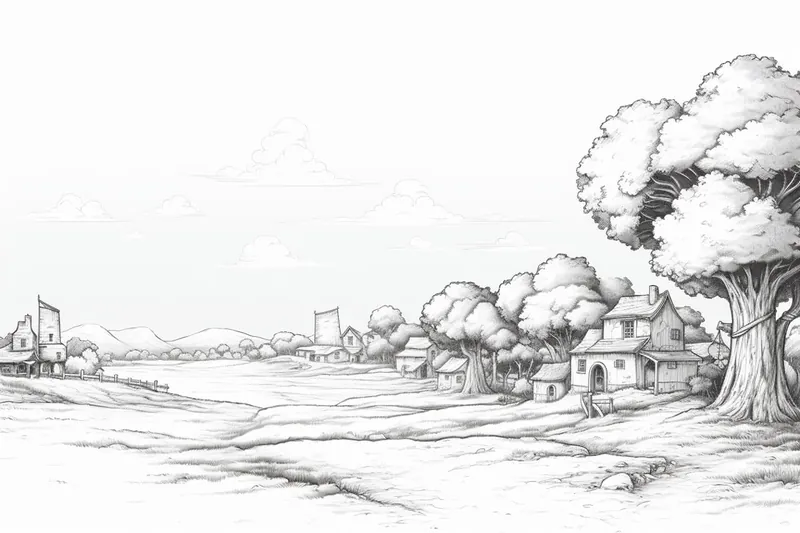
Materials You'll Need
- Pencil
- Paper
- Eraser
Mastering how to draw a background is a fundamental skill that elevates any piece of art by providing context and atmosphere. Backgrounds serve as the setting where your characters and objects come to life, whether it's a serene landscape, a bustling cityscape, or an abstract environment. Learning to create compelling backgrounds not only enhances the visual storytelling of your artwork but also helps in developing your understanding of perspective, lighting, and composition. These elements work together to create depth and mood, making your scenes feel immersive and realistic.
For artists at all skill levels, practicing how to draw a background offers an exciting challenge that involves both technical skills and creative problem-solving. Beginners can start by focusing on basic shapes, horizon lines, and vanishing points, gradually incorporating textures, shadows, and finer details as they gain confidence. More advanced artists can experiment with complex perspectives, atmospheric effects, and dynamic lighting to bring their scenes to life. This tutorial will guide you through these steps, providing tips on planning your composition, sketching foundational elements, and layering in details to achieve depth and interest.
Tip: As you work through the steps of drawing your background, consider creating a mood board with references and inspiration that align with the atmosphere you want to convey. Collect images, color palettes, and textures that resonate with your vision; this can guide your choices for perspective, detail, and color application, ultimately enhancing the cohesiveness and emotional impact of your artwork.
Whether you aim to illustrate a fantasy world, a natural vista, or an urban environment, learning how to draw a background will greatly enhance your artistic toolkit. Stay patient and open to experimentation as you develop this skill—it's a rewarding process that will deepen your appreciation for visual storytelling. So gather your materials, unleash your creativity, and let's embark on this journey together. By the end of this guide, you'll be well-equipped to create captivating backgrounds that truly complement and elevate your artwork.
Materials Required
Before we begin, gather the following materials:
- Drawing paper
- Pencil
- Eraser
- Ruler
- Set of drawing pencils (optional)
- Colored pencils or markers (optional)
Now that you have everything you need, let's dive into the step-by-step process of drawing a background.
Step 1: Plan and Visualize
Before putting pencil to paper, take a moment to think about what you want to achieve with your background. Consider the mood, atmosphere, and overall composition of your artwork. Visualize the elements you want to include and how they will interact with the main subject. Planning out your background beforehand will help you stay focused and make the drawing process smoother.
Step 2: Sketch the Horizon Line
Using a pencil and a ruler, lightly draw a horizontal line across your paper to represent the horizon. The position and angle of this line will depend on the perspective you want to create in your background. Experiment with different heights and angles to achieve the desired effect.
Step 3: Establish the Vanishing Point
In perspective drawing, the vanishing point is where all the lines converge and creates the illusion of depth. Decide where the vanishing point will be in your background and mark it with a small dot. This will serve as a reference point for drawing your background elements.
Step 4: Sketch the Foreground Elements
Start sketching the foreground elements, such as trees, rocks, or buildings, using basic shapes. Keep in mind their size and position relative to the vanishing point. Use light, loose lines at this stage, as you will refine and add details later.
Step 5: Add Midground Elements
Move on to sketching the midground elements, which are the objects or elements between the foreground and the background. These could be hills, trees, or structures that are farther away but still closer to the viewer than the background. Use a combination of basic shapes and lines to create the desired effect of depth.
Step 6: Draw the Background Elements
Now it's time to sketch the background elements, such as distant mountains, buildings, or the sky. These elements should be less detailed and have lighter values to give the illusion of distance. Use the vanishing point as a guide to create the correct perspective.
Step 7: Refine and Add Details
With the basic structure in place, it's time to refine your sketch and add more details. Use darker lines to define the outlines of the objects and add texture and shading where necessary. Pay attention to the play of light and shadow, as it can greatly enhance the overall realism of your background.
Step 8: Create Depth with Value
To create depth and dimension in your background, use different values to indicate distance. Objects closer to the viewer should have darker values, while those farther away should have lighter values. Gradually build up the values by layering and blending different shades with your pencil or colored pencils.
Step 9: Add Color (Optional)
If you prefer to add color to your background, now is the time to do so. Use colored pencils or markers to bring your background to life. Pay attention to the color scheme and make sure it harmonizes with the rest of your artwork.
Conclusion
Drawing a background may seem daunting at first, but with practice and patience, you can create captivating and visually appealing scenes. By following the steps outlined in this guide, you will be able to plan, sketch, and refine your background with confidence. Remember to experiment, trust your instincts, and have fun with your art. So grab your materials and start drawing breathtaking backgrounds today!
Gallery of Background Drawings


Fun Facts About Backgrounds
- Backgrounds provide essential context and atmosphere, enhancing the storytelling in any artwork.
- Mastering perspective in backgrounds helps create the illusion of depth and realism.
- Using atmospheric effects like haze or color shifts in backgrounds can simulate distance and mood.
- Backgrounds often use lighter values and less detail to push elements visually farther away.
- Practicing background drawing improves skills in composition, lighting, and spatial relationships.
- Many famous artists, like Leonardo da Vinci, used detailed backgrounds to enrich their paintings.
- Backgrounds can be abstract or realistic, depending on the style and mood the artist wants to convey.
- Digital art tools now allow artists to create complex backgrounds with layers and effects easily.
- Understanding the horizon line and vanishing points is crucial for accurate background perspective.
Suggestions for Scenes and Settings for Background Drawings
- A tranquil forest clearing at dawn with light filtering through the trees.
- A futuristic cityscape with towering skyscrapers and neon signs at night.
- A rugged mountain range under a cloudy sky with distant birds flying.
- An abandoned industrial warehouse with broken windows and scattered debris.
- A serene beach with gentle waves, palm trees, and a colorful sunset.
- A bustling medieval marketplace filled with stalls, people, and cobblestone streets.
- An underwater coral reef teeming with marine life and sunbeams penetrating the water.
- A mystical fantasy forest with glowing plants, floating lanterns, and ancient ruins.
- A quiet suburban street in autumn with fallen leaves and warm streetlights.
- An abstract background using geometric shapes and dynamic lighting to create depth.