How to Draw a 3D Heart
Learn how to draw a 3D heart in this step-by-step guide. Create a realistic and eye-catching heart drawing with clear instructions and simple materials. Perfect for aspiring artists and creative enthusiasts.
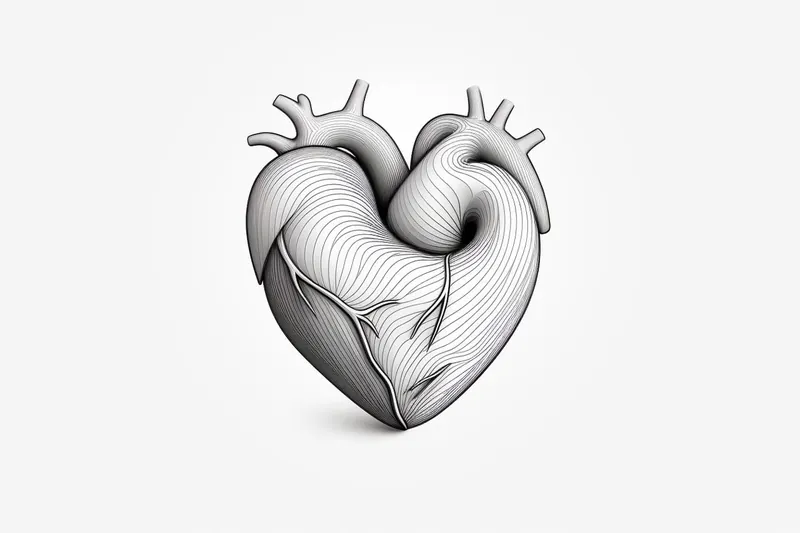
Materials You'll Need
- Pencil
- Paper
- Eraser
Drawing a 3D heart is a wonderful way to explore shading, perspective, and shape in art, making it a popular subject for artists at various skill levels. Hearts symbolize love and emotion, and learning how to draw a 3d heart can add a striking, lifelike element to your artwork that goes beyond a simple flat outline. This tutorial will guide you through the process of creating a realistic heart that appears to pop off the page, combining basic sketching techniques with careful shading to achieve depth and dimension.
Whether you are a beginner eager to develop your drawing skills or an experienced artist looking to refine your ability to render three-dimensional forms, this guide offers clear, step-by-step instructions that will help you build confidence while mastering essential techniques. You'll learn how to construct the shape accurately, apply gradients to simulate light and shadow, and add finishing touches that make your heart drawing truly stand out. The techniques covered here provide a solid foundation for tackling other 3D objects in your art journey.
So, if you've ever wanted to create artwork that captures attention with its lifelike quality, this tutorial on how to draw a 3d heart is the perfect place to start. With just a few simple materials and a little practice, you'll be able to bring this classic symbol to life in a way that's both fun and rewarding. Let's get your pencils ready and dive into the exciting world of 3D drawing!
Materials Needed
Before we dive into the steps, let's gather the necessary materials:
- Drawing paper or sketchbook
- Pencil
- Eraser
- Fine-tipped black pen or marker
- Colored pencils or markers (optional)
With your materials ready, let's move on to the drawing process.
Step 1: Draw the Outline
Start by drawing a vertical line that will serve as the centerline of the heart. At the top of the line, draw a small horizontal line that connects to it, creating a "v" shape. This will form the top of the heart.
Step 2: Define the Shape
Next, draw two curved lines that extend from the top of the heart's "v" shape and meet at a point at the bottom. These lines should be symmetrical and slightly curvy, following the natural shape of a heart. Adjust the curves until you're satisfied with the overall shape.
Step 3: Add Depth and Dimension
To create a three-dimensional effect, we will add thickness to the heart's shape. Draw curvy lines that mirror the outline of the heart, starting from the left side and gradually curving towards the centerline. Repeat this on the right side as well. These lines should be parallel to the outline and slightly spaced apart.
Step 4: Draw the Inner Curves
Inside the heart, draw two curved lines that start from the top and extend towards the bottom of the heart. These lines should follow the same overall shape as the heart but slightly smaller in size. These curves will add depth and detail to your drawing.
Step 5: Add Shading
To make the heart appear more three-dimensional, we will add shading. Start by determining the light source in your drawing. With that in mind, shade the left side of the heart with diagonal lines, gradually getting darker as you move away from the light source. Leave the middle section and the right side of the heart lighter to create contrast.
Step 6: Add Highlights
To enhance the three-dimensional effect, add highlights to your drawing. Using an eraser, gently remove some of the shading in areas where light would naturally hit the heart, such as the top and sides. This will create a more realistic and polished look.
Step 7: Outline the Heart
Using a fine-tipped black pen or marker, go over the pencil lines to outline the heart. Make sure to follow the contours of the heart carefully and define the edges. Erase any remaining pencil marks for a clean and finished look.
Step 8: Color the Heart (Optional)
If you prefer a colored version, grab your colored pencils or markers and add some vibrant hues to your heart. You can use shades of red for a traditional look or get creative with different color combinations. Experiment and have fun with your coloring choices!
Conclusion
Congratulations! You've successfully learned how to draw a 3D heart. By following these step-by-step instructions, you've created a visually appealing and realistic heart drawing. Remember, practice makes perfect, so don't hesitate to try drawing hearts in various sizes and styles. Keep exploring your artistic skills and enjoy the process.
Fun Facts About 3D Heart
- The 3D heart shape is often used in art to symbolize love and emotion, adding depth beyond a flat outline.
- Drawing a 3D heart helps artists practice shading and perspective, essential skills for creating realistic images.
- The classic heart shape does not anatomically resemble a real human heart but is widely recognized as a symbol of affection.
- 3D drawing techniques, like those used for hearts, involve creating light and shadow to simulate volume on a flat surface.
- Using highlights and shadows in a 3D heart drawing can make the image appear to pop off the page, enhancing visual interest.
- Learning to draw 3D objects like hearts builds foundational skills that can be applied to more complex forms in art.
- Colored pencils or markers can be used to add vibrant hues to a 3D heart, allowing for creative expression beyond traditional red.
- 3D heart drawings are popular in tattoo art, symbolizing love with a lifelike, dimensional effect.
Suggestions for Scenes and Settings for 3D Heart Drawings
- A 3D heart floating above an open book, symbolizing love for knowledge and learning.
- A heart-shaped crystal with intricate facets reflecting light, placed on a velvet cushion.
- A mechanical 3D heart with gears and pistons, blending anatomy and steampunk aesthetics.
- A glowing 3D heart surrounded by delicate floral vines in a dark, moody background.
- A transparent glass heart filled with swirling smoke or colorful liquid inside.
- A heart embedded in an ancient stone wall, partially cracked to show depth and history.
- A futuristic holographic heart projection emerging from a palm or device.
- A 3D heart-shaped balloon tethered with ribbons, casting soft shadows on the ground.
- A heart carved from ice, melting slowly on a reflective surface with water droplets.
- A 3D anatomical heart intertwined with roots and branches, symbolizing life and growth.