The 5 Best Erasers for Drawing: Your Complete Guide to Choosing the Perfect Eraser
Discover the top 5 erasers for drawing and elevate your artistic experience. Complete guide with techniques, maintenance tips, and expert recommendations for artists of all levels.
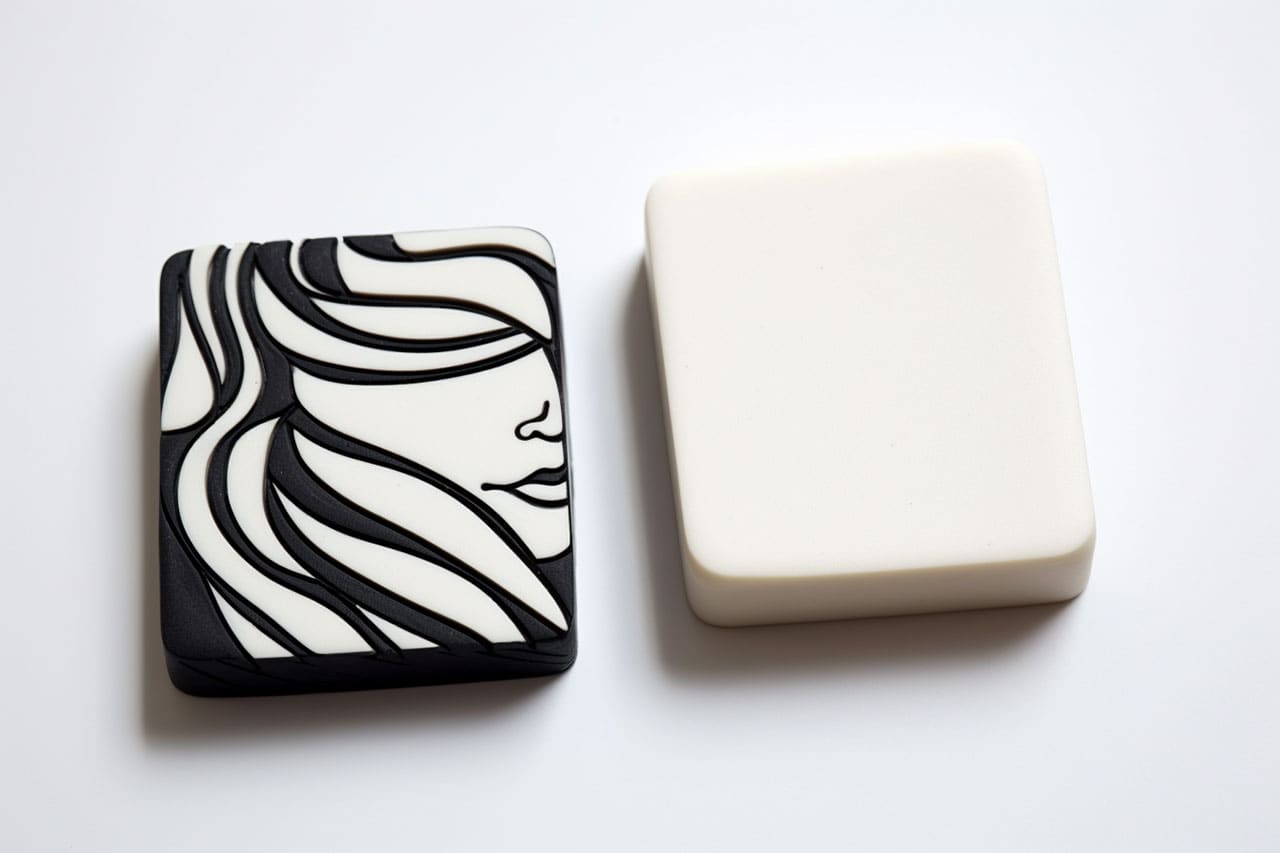
The 5 Best Erasers for Drawing: Your Complete Guide to Choosing the Perfect Eraser
Drawing is a delicate art form that requires precision and attention to detail. While pencils and paper often steal the spotlight, having the right eraser is equally crucial for creating exceptional artwork. A quality eraser isn't just about correcting mistakes—it's a powerful tool that can create highlights, add texture, and enhance the overall quality of your drawings.
Think of your eraser as a reverse drawing tool. Just as different pencils create different marks, different erasers remove graphite in unique ways. The right eraser can mean the difference between a drawing that looks amateur and one that appears professionally crafted. Whether you're sketching delicate portraits, creating bold charcoal drawings, or working on detailed illustrations, understanding which eraser to use can elevate your artistic experience to new heights.
In this comprehensive guide, we'll explore the five best erasers for drawing, diving deep into their unique features, best use cases, and why they've earned their place in every serious artist's toolkit. From precision work to large-scale corrections, we've got you covered.
Understanding Different Eraser Types and Their Benefits
Before diving into our top picks, let's explore the fascinating world of eraser types and understand what makes each one special:
Vinyl Erasers
Best for: Delicate papers and light sketching work
Vinyl erasers are the gentle giants of the eraser world. Made from soft vinyl material, these erasers excel at removing graphite without damaging the paper's surface. They're particularly valuable when working on high-quality drawing paper or when you need to make corrections without leaving marks or tearing the surface.
Key characteristics:
- Soft, non-abrasive texture
- Minimal paper damage
- Excellent for light pencil marks
- Clean erasing with minimal residue
Kneaded Erasers
Best for: Charcoal, pastels, and artistic effects
Kneaded erasers are like artistic putty in your hands. These moldable wonders can be shaped into any form, from fine points for detailed work to broad surfaces for large area corrections. They don't actually wear away like traditional erasers—instead, they absorb graphite particles, becoming darker over time.
Key characteristics:
- Completely moldable and shapeable
- No eraser residue or crumbs
- Can be "cleaned" by kneading
- Perfect for lifting highlights and creating texture
Gum Erasers
Best for: Precision work and final cleanup
Gum erasers offer a firmer touch with excellent control. Their slightly harder texture makes them ideal for precise erasing and removing stubborn graphite marks. They provide clean, controlled erasing that's perfect for detailed work and finishing touches.
Key characteristics:
- Firm, controlled erasing
- Excellent for precision work
- Clean removal of graphite
- Durable and long-lasting
Electric Erasers
Best for: Professional work and high-precision tasks
Electric erasers are the power tools of the eraser world. Battery-operated and incredibly efficient, they offer unmatched precision and speed. Professional artists and illustrators often rely on these for detailed commercial work where precision and consistency are paramount.
Key characteristics:
- Battery-powered precision
- Consistent erasing pressure
- Excellent for detailed work
- Professional-grade results
Art Gum Erasers
Best for: Textured papers and artistic effects
Art gum erasers, made from rubber and pumice, offer a unique erasing experience. Their slightly abrasive texture makes them perfect for textured papers and can even add interesting effects to your artwork. They're excellent for creating weathered looks or working on rough paper surfaces.
Key characteristics:
- Slightly abrasive texture
- Great for textured papers
- Creates unique artistic effects
- Excellent for large area corrections
The 5 Best Erasers for Drawing
1. Faber-Castell Dust-Free Eraser
The Clean Worker
The Faber-Castell Dust-Free Eraser lives up to its name by creating minimal dust and residue, ensuring your workspace stays clean and your artwork remains pristine. This eraser is engineered to provide smooth, consistent erasing without the frustrating crumbs that plague many traditional erasers.
Why it's exceptional:
- Dust-free formula keeps your drawing surface clean
- Works effectively on all paper types
- Soft texture prevents paper damage
- Excellent for both light sketches and darker graphite marks
Best for:
- Beginner artists who want reliable, mess-free erasing
- Detailed work where cleanliness is crucial
- General sketching and everyday drawing tasks
- Students who need a dependable classroom eraser
Pros:
- Exceptionally clean erasing with minimal residue
- Soft enough for delicate papers
- Affordable and widely available
- Long-lasting durability
Cons:
- May not be firm enough for very stubborn marks
- Not shapeable like kneaded erasers
- Less effective on heavily textured papers
2. Prismacolor Kneaded Rubber Eraser
The Shape-Shifter
For artists working with charcoal, pastels, and colored pencils, the Prismacolor Kneaded Rubber Eraser is an indispensable tool. Its moldable nature allows you to create any shape needed, from needle-fine points to broad surfaces, making it incredibly versatile for various artistic techniques.
Why it's exceptional:
- Infinitely moldable to any shape you need
- Absorbs graphite rather than wearing away
- Creates no eraser crumbs or residue
- Can be "cleaned" by kneading and stretching
Best for:
- Charcoal and pastel artists who need gentle lifting
- Portrait work requiring subtle highlight creation
- Textural effects and artistic manipulation
- Professional artists seeking versatility
Pros:
- Completely customizable shape and size
- No mess or cleanup required
- Can create subtle gradations and effects
- Long lifespan when properly maintained
Cons:
- Can become less effective when saturated with graphite
- May pick up oils from hands over time
- Not suitable for heavy erasing tasks
- Requires periodic replacement when too dirty
3. Tombow Mono Zero Eraser
The Precision Master
When precision matters most, the Tombow Mono Zero Eraser stands in a league of its own. With its ultra-fine tip measuring just 2.3mm in diameter, this eraser excels at detailed corrections and creating pinpoint highlights that would be impossible with traditional erasers.
Why it's exceptional:
- Ultra-fine 2.3mm tip for incredible precision
- Retractable design protects the eraser tip
- Refillable for long-term use
- Perfect for detailed linework corrections
Best for:
- Detailed illustrations requiring precise corrections
- Technical drawings and architectural work
- Manga and comic artists working on fine details
- Professional illustrators who need surgical precision
Pros:
- Unmatched precision for fine details
- Protective retractable case
- Refillable design for sustainability
- Excellent for creating fine highlights
Cons:
- Small eraser size means frequent refills
- Higher cost per use than traditional erasers
- Not suitable for large area erasing
- Tip can break if used too aggressively
4. Staedtler Mars Plastic Eraser
The Reliable Classic
The Staedtler Mars Plastic Eraser has earned its reputation as a classic choice among artists worldwide. This latex-free eraser offers consistent performance across all paper types and drawing media, making it a versatile addition to any artist's toolkit.
Why it's exceptional:
- Latex-free formula safe for those with allergies
- Non-abrasive texture minimizes paper damage
- Works effectively with both pencil and ink
- Consistent performance across all paper types
Best for:
- General drawing tasks across all skill levels
- Mixed media work involving various materials
- Artists with latex sensitivity
- Reliable everyday erasing needs
Pros:
- Excellent all-around performance
- Safe for sensitive users
- Minimal crumbling and clean erasing
- Affordable and widely available
Cons:
- May not excel in any specific specialized task
- Firmer texture may be too aggressive for delicate work
- Not as precise as specialized erasers
- Can leave slight residue on some papers
5. Pentel Clic Eraser
The Mechanical Marvel
The Pentel Clic Eraser brings mechanical convenience to the world of erasing. With its retractable design and refillable functionality, this eraser combines the precision of a mechanical pencil with the reliability of a quality eraser.
Why it's exceptional:
- Mechanical design with click-to-advance functionality
- Refillable for long-term sustainability
- Retractable tip prevents damage and contamination
- Excellent for both precision and general erasing
Best for:
- Technical drawings requiring consistent precision
- Students and professionals who prefer mechanical tools
- Detailed sketching with precision requirements
- Artists who value convenience and cleanliness
Pros:
- Mechanical convenience and precision
- Refillable and sustainable design
- Protected tip prevents contamination
- Consistent erasing performance
Cons:
- Higher initial cost than traditional erasers
- Mechanical parts can potentially break
- Limited eraser variety (single type)
- May feel unfamiliar to traditional eraser users
How to Choose the Right Eraser for Your Art
Selecting the perfect eraser depends on several crucial factors that directly impact your drawing experience:
Consider Your Drawing Medium
For Graphite Pencil Work:
- Use vinyl erasers for gentle corrections
- Choose gum erasers for precision work
- Opt for kneaded erasers when creating highlights
For Charcoal and Pastel Work:
- Kneaded erasers are essential for lifting and blending
- Art gum erasers work well for textural effects
- Avoid hard erasers that can smear the medium
For Mixed Media:
- Staedtler Mars Plastic offers versatility
- Test erasers on sample papers first
- Keep multiple types for different needs
Match Your Paper Type
Smooth Papers:
- Most erasers work well
- Vinyl erasers prevent surface damage
- Precision erasers excel on smooth surfaces
Textured Papers:
- Art gum erasers handle texture well
- Avoid hard erasers that can catch on texture
- Kneaded erasers conform to surface variations
Delicate Papers:
- Use vinyl erasers exclusively
- Test erasing in corners first
- Apply minimal pressure
Consider Your Erasing Style
Gentle, Subtle Erasing:
- Kneaded erasers for gradual lifting
- Vinyl erasers for soft corrections
- Light pressure techniques
Precision Detail Work:
- Tombow Mono Zero for fine details
- Electric erasers for consistent results
- Mechanical erasers for control
Large Area Corrections:
- Art gum erasers for efficiency
- Gum erasers for clean removal
- Broad-surface techniques
Professional Eraser Techniques and Tips
Mastering eraser techniques can dramatically improve your artwork quality:
The Lifting Technique
Instead of rubbing aggressively, gently press and lift the eraser. This technique:
- Reduces paper damage
- Creates cleaner corrections
- Allows for more control
- Works especially well with kneaded erasers
Directional Erasing
Always erase in the direction of your pencil strokes:
- Maintains paper grain integrity
- Reduces smudging
- Creates cleaner lines
- Preserves drawing texture
Partial Erasing for Effects
Don't always erase completely:
- Light erasing creates mid-tones
- Partial removal adds texture
- Graduated erasing creates smooth transitions
- Strategic leaving adds character
The Blending Technique
Use erasers for blending and softening:
- Kneaded erasers excel at this
- Creates smooth gradations
- Softens harsh lines
- Adds atmospheric effects
Highlight Creation
Erasers are drawing tools for light:
- Create bright highlights on dark areas
- Add sparkle to eyes in portraits
- Simulate reflected light
- Enhance three-dimensional forms
Caring for Your Erasers: Maintenance and Storage
Proper eraser care extends their lifespan and maintains their effectiveness:
Kneaded Eraser Maintenance
- Knead regularly to redistribute graphite
- Stretch and fold to expose clean surfaces
- Store in airtight containers to prevent drying
- Replace when too contaminated to clean effectively
Traditional Eraser Care
- Keep surfaces clean by erasing on scrap paper
- Store in cool, dry places to prevent hardening
- Protect from contamination with covers or cases
- Rotate usage to maintain even wear
Precision Eraser Maintenance
- Keep tips protected when not in use
- Clean tips regularly on clean paper
- Store upright to prevent tip damage
- Replace refills promptly when worn
Electric Eraser Care
- Keep batteries fresh for consistent performance
- Clean eraser tips regularly
- Store in protective cases when traveling
- Service mechanicals according to manufacturer guidelines
Common Erasing Mistakes to Avoid
Understanding these pitfalls will improve your erasing technique:
1. Over-Erasing
The Problem: Erasing too aggressively or repeatedly in the same spot The Solution: Use lighter pressure and make multiple gentle passes Prevention: Choose the right eraser firmness for your paper
2. Wrong Eraser Choice
The Problem: Using hard erasers on delicate paper or soft erasers on stubborn marks The Solution: Match eraser type to your specific needs Prevention: Test erasers on sample paper first
3. Dirty Eraser Usage
The Problem: Using contaminated erasers that smear rather than clean The Solution: Clean erasers regularly on scrap paper Prevention: Proper storage and maintenance routines
4. Ignoring Paper Direction
The Problem: Erasing against the paper grain or pencil stroke direction The Solution: Always erase in the direction of your original marks Prevention: Observe your drawing direction and match eraser movement
5. Not Testing First
The Problem: Using new erasers directly on finished artwork The Solution: Always test erasers on sample paper or drawing corners Prevention: Maintain test sheets for all your art materials
Creative Eraser Hacks and Alternative Uses
Erasers can do much more than just correct mistakes:
Texture Creation Techniques
Stippling Effects:
- Use firm erasers to create dotted textures
- Perfect for stone, sand, or weathered surfaces
- Vary pressure for different dot sizes
- Great for cloud formations
Cross-Hatching Removal:
- Erase selective cross-hatch lines for lighting effects
- Create directional textures in hair and fur
- Add dimensional depth to flat areas
Pattern Making:
- Use erasers with shaped edges for repeating patterns
- Create fabric textures and architectural details
- Add decorative elements to backgrounds
Artistic Special Effects
Atmospheric Perspective:
- Gradually erase distant objects for depth
- Create misty, foggy effects with light erasing
- Soften backgrounds to enhance foreground focus
Light Source Simulation:
- Erase highlights to simulate strong lighting
- Create rim lighting effects on subjects
- Add reflected light on shiny surfaces
Age and Wear Effects:
- Partially erase areas for aged appearance
- Create worn, weathered textures on objects
- Add patina effects to metals and stones
Mixed Media Applications
Watercolor Preparations:
- Lift graphite selectively before painting
- Create reserved white areas for highlights
- Adjust value relationships before adding color
Collage Integration:
- Blend harsh edges where materials meet
- Soften transitions between different media
- Create seamless integrations
Budget vs Professional Options: Making Smart Choices
Understanding the investment levels helps you make informed decisions:
Student/Budget Level ($1-5 per eraser)
Best Budget Choices:
- Faber-Castell Dust-Free for reliable everyday use
- Basic kneaded erasers for versatility
- Standard pink erasers for general corrections
Budget Benefits:
- Low initial investment
- Perfect for learning and experimentation
- Widely available in stores
- Good performance for basic needs
Budget Limitations:
- Less durability than professional options
- Limited specialty features
- May not perform well on premium papers
- Fewer precision options
Intermediate Level ($5-15 per eraser)
Best Intermediate Choices:
- Prismacolor Kneaded Eraser for serious drawing
- Staedtler Mars Plastic for versatility
- Tombow Mono Zero for precision needs
Intermediate Benefits:
- Better materials and construction
- More specialized features
- Improved performance and durability
- Professional-level results
Professional Level ($15+ per eraser)
Best Professional Choices:
- Electric erasers for commercial work
- Premium mechanical erasers for precision
- Specialty art gum erasers for specific techniques
Professional Benefits:
- Superior materials and engineering
- Consistent, reliable performance
- Specialized features for specific needs
- Long-term durability and value
Making the Right Choice:
- Start with budget options to learn preferences
- Upgrade gradually as skills develop
- Invest in specialty erasers for specific techniques
- Consider cost-per-use rather than initial price
Frequently Asked Questions
What's the difference between pink and white erasers?
Pink erasers are typically made from rubber and are more abrasive, making them good for removing dark pencil marks but potentially damaging to delicate papers. White erasers (vinyl) are softer and less likely to tear paper, making them better for light corrections and sensitive surfaces. For drawing, white vinyl erasers are generally preferred due to their gentler nature.
How do I know when to replace my kneaded eraser?
Replace your kneaded eraser when it becomes too dirty to clean effectively through kneading, starts leaving gray streaks instead of erasing, becomes too stiff to mold easily, or begins tearing when stretched. A well-maintained kneaded eraser can last several months with regular use.
Can I use regular school erasers for drawing?
While you can use regular school erasers, they're not optimal for drawing. School erasers are often harder and more abrasive, designed for heavy-duty correction rather than artistic subtlety. They may damage drawing paper, leave residue, or create inconsistent results. Investing in proper art erasers will significantly improve your drawing experience.
Why does my eraser smear instead of erase?
Eraser smearing usually occurs when the eraser is dirty or contaminated, the paper is too soft or textured, you're applying too much pressure, or the graphite is too heavy for that eraser type. Try cleaning your eraser on scrap paper, using lighter pressure, or switching to a firmer eraser designed for your specific medium.
How do I prevent eraser crumbs from messing up my drawing?
To minimize eraser crumbs: brush them away gently with a soft brush, blow them off carefully (away from your work area), use dust-free erasers like the Faber-Castell option, work from top to bottom when possible, and keep a clean workspace to avoid redistributing crumbs.
Can erasers go bad or expire?
Yes, erasers can deteriorate over time. They may become hard and less effective, develop cracks or brittleness, collect dust and contaminants, or lose their flexibility (especially kneaded erasers). Store erasers in cool, dry places and replace them when their performance declines significantly.
What's the best eraser for colored pencil work?
For colored pencils, kneaded erasers work best because they can lift pigment gently without smearing. Electric erasers with soft tips are also effective for precise corrections. Avoid hard erasers that can smear waxy colored pencil across your paper. Always test on a sample first, as colored pencils can be more challenging to erase than graphite.
How do I erase without damaging my paper?
To protect your paper: use light, gentle pressure, erase in the direction of pencil strokes, choose soft erasers appropriate for your paper weight, test in corners first, avoid repeated erasing in the same spot, and consider using heavier paper that can withstand more erasing.
Conclusion
Choosing the right eraser is a crucial decision that can dramatically impact your artistic success. Each of the five erasers we've explored offers unique advantages that cater to different drawing styles, skill levels, and artistic needs. From the dust-free reliability of the Faber-Castell eraser to the surgical precision of the Tombow Mono Zero, there's a perfect eraser waiting to enhance your creative process.
Remember that investing in quality erasers is investing in your artwork's potential. Just as a painter wouldn't compromise on brush quality, a drawing artist shouldn't overlook the importance of superior erasing tools. These erasers aren't just for correcting mistakes—they're creative instruments that can add highlights, create textures, and bring your artistic visions to life with remarkable precision and control.
Start experimenting with different eraser types to discover your personal preferences and develop your unique artistic style. Practice the techniques we've discussed, maintain your erasers properly, and don't be afraid to push the boundaries of what these versatile tools can accomplish. Your journey to artistic excellence includes mastering every tool in your arsenal, and with the right erasers in hand, you're well-equipped to create artwork that truly stands out.
Happy drawing, and may your artistic journey be filled with perfect corrections, beautiful highlights, and creative discoveries!