How to Draw Chains
Learn how to draw chains step by step with this clear and concise drawing tutorial. Explore the basic structure, add depth, texture, and details, and create realistic chains in your artwork.
Materials You'll Need
- Pencil
- Paper
- Eraser
Chains are fascinating objects that frequently appear in a wide range of artistic works, from fantasy illustrations and jewelry designs to urban street art and tattoo motifs. They are often used to symbolize strength, resilience, unity, or even captivity, making them a powerful visual element in storytelling and composition. The interlocking links of a chain create intriguing patterns and textures, offering both a technical challenge and an opportunity for creative expression. Drawing chains allows artists to practice rendering metallic surfaces, mastering perspective, and exploring the play of light and shadow on curved forms.
Many artists are drawn to chains because they can add depth, realism, and narrative power to a piece. Whether you're working on a detailed fantasy scene, designing accessories, or simply looking to improve your drawing skills, learning how to draw chains can enhance your artistic repertoire. While the overlapping links may seem intimidating at first, this tutorial will break down the process into clear, manageable steps. You'll learn to construct the basic structure of a chain, understand how each link connects, and add finishing touches that make your drawing stand out. This tutorial is suitable for beginners and more experienced artists alike, as it covers essential techniques such as basic shapes, line work, shading, and adding highlights for a realistic metallic effect.
Don't worry if you've never tried to draw chains before—by the end of this guide, you'll have the confidence and skills to tackle this subject with ease. All you need is a bit of patience, practice, and your favorite drawing tools. So, if you've ever wondered how to draw chains that look authentic and dynamic, you're in the right place. Let's dive in and unlock the secrets to creating impressive chain drawings together!
Materials Required
Before we begin, gather the following materials:
- Drawing paper or sketchbook
- Pencils (preferably a range of hardness from 2H to 6B)
- Eraser
- Ruler (optional)
Having these materials on hand will ensure a smooth drawing experience and allow you to make the necessary adjustments as you progress.
Step 1: Understanding the Structure
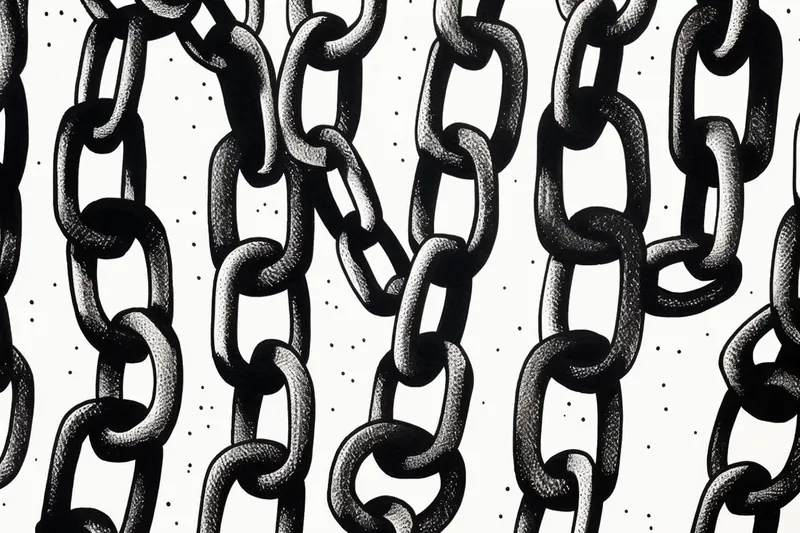
To draw realistic chains, it's crucial to have a good grasp of their structure. Chains consist of interconnected links that loop together. Each link typically comprises two oval or circular shapes with flatter sides where they join. By understanding this basic structure, you can easily replicate it in your drawing.
Step 2: Sketching the First Link
Begin by lightly sketching a circular or oval shape, which will serve as the first link of the chain. The size and shape of this initial link will determine the overall appearance of the chain. You can experiment with different shapes to achieve the desired effect. Keep in mind that the shape should be slightly elongated and not a perfect circle.
Step 3: Adding Depth to the Link
To make the chain look three-dimensional, add depth to the link. Start by darkening the outer edge of the shape, gradually lightening the pressure towards the center. This will create a subtle shading effect and give the link a rounded appearance. Remember to leave a small highlight area to mimic the reflection of light.
Step 4: Drawing the Second Link
Next, sketch a similar shape adjacent to the first link, ensuring that the two links overlap slightly. The second link should have a similar size and shape as the first but tilted in a way that creates a realistic connection between the two. Again, experiment with different angles to vary the look of your chain.
Step 5: Connecting the Links
To connect the links, draw a curved line from the bottom of the first link to the top of the second link. This represents the part of the chain that holds everything together. Ensure that the curve flows smoothly, mimicking the natural movement of a chain. This connection line should be slightly thinner than the links themselves.
Step 6: Adding Texture and Details
Chains have a textured surface, usually consisting of small bumps or lines that add realism to the drawing. To achieve this effect, lightly sketch short vertical lines or dots across the surface of each link. Be careful not to overdo it; the goal is to create a subtle texture that enhances the overall appearance.
Step 7: Repeating the Process
Continue adding links to your chain by following steps 4 to 6. Each subsequent link should overlap with the previous one, creating a seamless and continuous chain. Remember to vary the shapes and angles of the links to make your chain look more interesting and dynamic.
Step 8: Refining and Adjusting
Tip: When drawing chains, consider using reference images of real chains to help you understand the nuances of shape, light, and texture. Observing how light interacts with the links and how they overlap will enhance the realism of your drawing. Additionally, practicing with different perspectives and angles will allow you to capture the dynamic quality of chains, making your artwork more engaging and lifelike.
Once you have drawn several links, take a step back and assess your chain's overall appearance. This is the perfect time to make any necessary refinements or adjustments. Use an eraser to remove any stray lines or shapes that may distract from the chain's structure. You can also darken certain areas to enhance depth or add more texture if desired.
Step 9: Adding Shadows and Highlights
To make your chain look even more realistic, add shadows and highlights. Determine the direction of your light source, and imagine where the shadows would fall accordingly. Use a softer pencil to shade in the areas where the links overlap or cast shadows on one another. Conversely, use a harder pencil to add highlights to the exposed areas of the links, mimicking the reflection of light.
Step 10: Final Details
To give your chain that extra level of detail, consider adding small imperfections or variations to each link. Chains are rarely perfectly smooth or identical, so adding subtle irregularities can make your drawing more believable. This could include lightly sketching small dents, scratches, or variations in shape and size.
Mistake Alert: One common mistake when drawing chains is making the links look flat or disconnected by not properly overlapping or aligning them. This usually happens when artists focus on drawing individual links in isolation, rather than considering how each link wraps around and interlocks with the next. To avoid this, always sketch the entire chain lightly first, mapping out the path and the way each link loops through the previous one. Pay close attention to the perspective—chain links often appear more oval than circular as they recede or turn, and maintaining consistent spacing and angle is key. If your links look awkward or float apart, try redrawing them with reference to a real chain or photo, and use guiding lines to keep the flow natural and cohesive.
Conclusion
Drawing chains may seem daunting at first, but by breaking down the process into manageable steps, you can create impressive chains with depth and realism. Remember to start with a good understanding of their structure, and gradually build upon it by adding links, texture, and details. With practice and patience, you'll be able to confidently draw chains that add visual interest and symbolism to your artwork.
So pick up your pencils and start practicing! With each chain you draw, your skills will improve, and your understanding of form and texture will deepen. Enjoy the process and the satisfaction of creating intricate chains that convey strength and unity in your artwork.
Fun Facts About Chains
- The oldest known metal chains date back to at least 225 BC, as seen in ancient Greek and Roman engineering.
- Chains are essential in modern industry, powering everything from bicycles to heavy machinery.
- In symbolism, chains can represent both bondage and unity, depending on their context in art and literature.
- The largest chain ever made was created for the Guinness World Records in Norway, measuring over 519 meters long.
- Chains are a key component in jewelry, with styles like the cable, curb, and figaro links being especially popular.
- Leonardo da Vinci sketched early designs for chain links that influenced later engineering.
- Chains are used in bridges, such as the iconic suspension bridge design, to support massive weights.
- In tattoo art, chains often symbolize strength, resilience, or breaking free from constraints.
- Chainmail, made from interlinked metal rings, was a crucial form of armor in medieval Europe.
- Modern artists use chains to explore themes of connection and restriction in sculpture and installations.
Suggestions for Scenes and Settings for Chains Drawings
- A close-up of an ancient, rusted chain draped over a weathered wooden dock, with water reflections shimmering below.
- A fantasy character breaking free from glowing magical chains, surrounded by swirling energy.
- A detailed illustration of an ornate chain necklace resting on a velvet cloth, with gemstones embedded in the links.
- Chains hanging from the ceiling of a dark, abandoned warehouse, catching beams of light through broken windows.
- A pair of hands gripping a heavy chain, emphasizing the tension and strength in the muscles.
- A bicycle or motorcycle chain in motion, with blurred background lines to show speed and movement.
- Chains entwined around a treasure chest, with a padlock securing the mysterious contents inside.
- An urban street art mural where chains transform into vines or roots, symbolizing resilience and growth.
- A still life featuring assorted metal chains coiled and piled on a reflective surface, exploring texture and light.
- A surreal scene where interlocking chains float through the sky, linking together clouds or stars.