How to Draw an Elk
Learn how to draw an elk in this step-by-step tutorial. Follow these instructions to create a realistic representation of this majestic animal. Perfect for beginners and experienced artists.

Materials You'll Need
- Pencil
- Paper
- Eraser
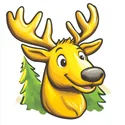 The elk, also known as wapiti, is one of the largest land mammals in North America and Eurasia. With its impressive antlers and powerful build, the elk is a symbol of strength, majesty, and the wild beauty of nature. Many people are drawn to the elk not only for its grandeur but also for its significance in wildlife art, making it a popular subject for artists of all skill levels. Whether you admire elk for their serene presence in forest landscapes or their dynamic role in cultural stories, learning how to draw an elk allows you to capture this remarkable animal's essence on paper.
Understanding how to draw an elk can be both a rewarding challenge and a valuable practice in capturing animal anatomy and texture. Elk have unique features such as elongated faces, tall legs, and, of course, their iconic antlers, which require attention to proportion and detail. This tutorial is designed to guide you through each step, from sketching the basic shapes to refining the details that bring your elk to life. Whether you are a beginner looking to develop your observation skills or an experienced artist seeking to enhance your wildlife portfolio, this guide will introduce you to techniques such as layering, shading, and creating realistic textures.
Don't worry if this is your first time drawing such a majestic creature—patience and practice are key! By the end of this tutorial, you'll be equipped with the knowledge and confidence to depict an elk with accuracy and creativity. Gather your materials, set aside some time to focus, and let's embark on this artistic adventure together. With each step, you'll come closer to mastering how to draw an elk and expanding your artistic abilities.
Materials Required
To draw an elk, you will need the following materials:
- Drawing paper: Choose a high-quality paper that is suitable for the medium you will be using (pencil, charcoal, etc.).
- Pencils: Use a set of graphite pencils with different hardness or a mechanical pencil with multiple lead options.
- Eraser: Have a soft eraser handy for making corrections and a kneaded eraser for lighter adjustments.
- Blending tools: Consider using a blending stump or tortillon to achieve smooth transitions and shading.
- Reference image: Find a clear and detailed photo of an elk to use as a reference throughout the drawing process.
Now that you have your materials ready, let's begin the elk drawing process.
Step 1: Sketch the Basic Shape
Start by lightly sketching the basic shape of the elk. Begin with a circle for the head and a larger oval for the body. Add two parallel lines for the neck and attach them to the body with a curved line. Don't worry about details at this stage, focus on capturing the overall proportions.
Step 2: Add the Antlers
Elks are known for their impressive antlers, so let's add them next. Draw two curved lines on top of the head, starting from the center and extending outward. These lines will serve as the main branches of the antlers. Add smaller branches and tines to make the antlers look more intricate and realistic.
Step 3: Outline the Face
Now it's time to outline the elk's face. Add a long, narrow snout by extending a line from the head circle. Sketch two almond-shaped eyes, a small nose, and a curved line for the mouth. Don't forget to add the ears as well, which are typically large and curved.
Step 4: Refine the Body and Legs
Refine the body shape by adding curves and muscles to make it look more three-dimensional. Sketch the legs by adding straight lines with slight curves to represent the joints. Remember to add the hooves at the bottom of the legs.
Step 5: Define the Fur and Details
Elks have a thick coat of fur, so let's define it now. Start by adding some short, curved lines around the neck, back, and legs to represent the fur texture. Gradually add more lines to give the fur a realistic appearance. Pay attention to the details such as the dewlap (a flap of skin under the neck), the tail, and any distinguishing marks on the elk you're drawing.
Step 6: Shade and Add Depth
To add depth and realism to your drawing, it's important to understand how to shade correctly. Observe the reference image and identify the areas that are in shadow. Use your pencils to gradually build up layers of shading, applying more pressure for darker areas and less pressure for lighter areas. Use your blending tool to smudge and blend the shading, creating smooth transitions between light and dark.
Step 7: Finalize the Details
Focus on the minute details that will bring your elk to life. Pay attention to the eyes, adding highlights and shading to make them appear realistic and expressive. Add more texture to the fur by carefully adding additional lines and shading. Don't forget the details on the antlers, making sure they look intricate and well-defined. Take your time to refine all the small details until you are satisfied with the result.
Tip: To effectively capture the majestic presence of an elk, start by focusing on the basic shapes that define its structure—think of the body as a series of overlapping ovals for the torso, head, and legs. Use a light pencil, like a 2H, for your initial sketch so you can easily adjust proportions as needed. Pay close attention to the antlers, which should be drawn with a sense of fluidity; using a slightly darker pencil, like a 4B, can help emphasize their texture and branching. When it comes to adding detail, use short, feathery strokes to create the impression of fur, particularly around the neck and legs where it is denser. Finally, don't rush the shading process—build it up gradually with layers, using a blending stump for smoother transitions, to give your elk a lifelike quality that truly reflects its grandeur.
Conclusion
Drawing an elk may seem challenging, but with the right techniques and patience, you can create a stunning representation of this magnificent animal. Remember to start with a basic sketch, gradually refine the details, and focus on shading and texture to bring your drawing to life. By following the step-by-step instructions in this guide, you will know how to draw an elk that will impress others and showcase your artistic skills. Happy drawing!
Fun Facts About Elk
- Elk are among the largest species in the deer family, with adult males (bulls) weighing up to 700 pounds.
- The word "wapiti," another name for elk, comes from a Shawnee and Cree word meaning "white rump."
- Only male elk grow antlers, which can reach up to 4 feet in length and are shed and regrown every year.
- During the fall rut, male elk produce a loud, high-pitched bugle to attract females and challenge rivals.
- Elk are highly social and often form herds that can number in the hundreds, especially in winter.
- Calves are born with white spots for camouflage, which fade as they grow older.
- Elk are excellent swimmers and can cross rivers and lakes in search of food or during migration.
- Elk have a four-chambered stomach and are ruminants, meaning they regurgitate and re-chew their food.
- Elk populations once ranged across much of North America, but today are mostly found in the western United States and Canada.
Suggestions for Scenes and Settings for an Elk Drawings
- Misty Morning Meadow: Draw an elk standing in a tranquil meadow as early morning mist rolls over the grass, with dewdrops glistening on wildflowers.
- Forest Edge Encounter: Depict a lone elk emerging from the dense forest into a clearing, alert and listening to distant sounds.
- Antler Velvet Season: Illustrate a close-up of a bull elk in late spring or early summer, showcasing the soft velvet covering its growing antlers.
- Elk Crossing a Mountain Stream: Show a small group of elk fording a shallow, rocky stream with reflections and water splashes around their legs.
- Autumn Bugling: Capture a dramatic scene of a bull elk bugling during the fall rut, with colorful autumn trees in the background.
- Mother and Calf: Portray the tender interaction between a mother elk and her calf, perhaps nestled together in tall grass or among wildflowers.
- Elk Under Aurora Borealis: Imagine elk standing on a snowy plain at night with the Northern Lights illuminating the sky behind them.
- Snowy Antler Showdown: Illustrate two bull elk in a snowy field, their antlers locked in a sparring match as snowflakes swirl around them.
- Elk on Rocky Outcrop: Depict an elk proudly standing on a rocky hill or outcrop, surveying the wilderness below with mountains in the distance.