How to Draw a Vampire
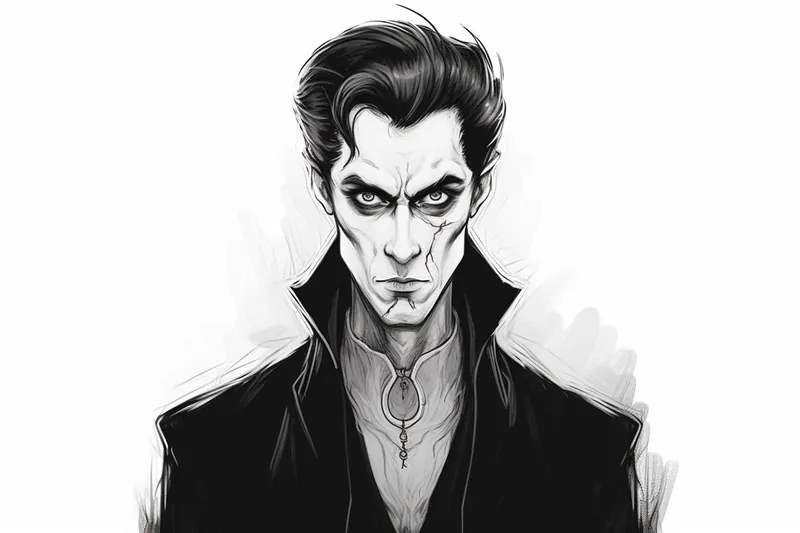
Learn how to draw a vampire in this step-by-step guide. From sketching the face to adding the finishing touches, create your own vampire artwork with this expert tutorial.
Materials You'll Need
- Pencil
- Paper
- Eraser
Vampires are legendary creatures that have captivated imaginations for centuries, appearing in folklore, literature, movies, and art. With their distinctive fangs, elegant attire, and air of mystery, vampires are a favorite subject for artists who want to capture something both eerie and beautiful. Learning how to draw a vampire allows you to explore dramatic expressions, dynamic poses, and gothic details—making it an exciting project for anyone interested in fantasy or supernatural themes.
There are many reasons you might want to tackle how to draw a vampire. Maybe you need the perfect illustration for a Halloween card, a spooky scene for a comic, or you simply enjoy bringing iconic monsters to life on the page. Drawing a vampire challenges artists to blend human anatomy with supernatural features, paying attention to facial expressions, clothing folds, and the unique atmosphere that surrounds these nocturnal beings. Whether you're a beginner looking for clear, step-by-step instructions or an experienced artist seeking inspiration for your next gothic masterpiece, this tutorial covers fundamental techniques like sketching, shading, and adding fine details.
No matter your skill level, don't be afraid to get creative and put your own twist on your vampire drawing. Remember, every artist's interpretation is unique, and practice is the key to improvement. So grab your drawing tools and let's dive into the world of the undead—by the end of this guide, you'll know exactly how to draw a vampire that's both haunting and full of character!
Materials Required
Before we begin, let's gather all the materials you will need to draw a vampire:
- Pencil: Choose a medium or soft pencil to create the initial sketch.
- Paper: Use smooth paper that can handle pencil marks without smudging.
- Eraser: A kneaded eraser is ideal for easily correcting mistakes.
- Fine-tipped pen or marker: This will be used for outlining and adding details.
- Colored pencils or markers: Optional, for adding color to your vampire drawing.
Now that we have everything we need, let's dive into the step-by-step instructions to draw a vampire.
Step 1: Sketch the Basic Shape
Start by lightly sketching an oval shape for the head of the vampire. Then, draw a vertical line down the center of the oval. This line will help you place the facial features accurately.
Step 2: Outline the Facial Features
Using the construction line as a guide, draw two large almond-shaped eyes on either side of the vertical line. Add small, curved lines above each eye to represent the eyebrows. Directly below the eyes, draw a small, straight line for the nose. Next, draw a slightly curved line below the nose to represent the mouth.
Step 3: Add Details to the Face
Now it's time to bring your vampire's face to life. Add pupils to the eyes by drawing smaller ovals inside the almond shapes. Give your vampire an intense gaze by adding some shading around the eyes. Enhance the eyebrows by making them thicker and more angular. Add a small, curved line above the mouth to create the upper lip.
Step 4: Define the Fangs
Vampires are known for their sharp fangs, so let's make sure your drawing captures this iconic feature. Draw two long, pointed fangs on either side of the mouth, protruding slightly from the lips. Make sure the fangs are symmetrical. You can also add some shading around the fangs to give them depth.
Step 5: Draw the Hair
Tip: To enhance your vampire drawing, consider experimenting with lighting and shadows to create a more dramatic atmosphere; for instance, use darker shading around the eyes and under the chin to suggest depth and mystery, while highlighting areas like the fangs and hair to draw the viewer's attention. This contrast will not only add dimension to your artwork but also amplify the eerie allure of your vampire character.
Vampires often have long, flowing hair that adds to their mysterious aura. Sketch the outline of the hair, using curved lines to give it a sense of movement. Experiment with different hairstyles to find one that fits the character of your vampire. Once you're happy with the shape, add some details and texture by drawing individual strands of hair.
Step 6: Create the Vampire's Clothing
Now it's time to dress up your vampire! Start by sketching the collar of a cloak around the neck. Make the collar pointy and slightly exaggerated for a more dramatic effect. Extend the cloak down the sides of the vampire's body, using flowing lines to create a sense of motion. Add some folds and creases to make the cloak appear more realistic.
Step 7: Add the Finishing Touches
To complete your vampire drawing, go over the pencil lines with a fine-tipped pen or marker to create a bold outline. Erase any unnecessary pencil marks, leaving only the clean, defined lines. If you want to add color to your drawing, use colored pencils or markers to bring your vampire to life. Experiment with different shades of red for the lips and fangs, and consider adding a touch of dark purple or black to the cloak for an extra spooky touch.
Congratulations! You have successfully drawn a vampire. Remember, practice makes perfect, so don't be discouraged if your first attempt is not exactly as you envisioned. Keep drawing and refining your skills, and soon you'll be creating vampire masterpieces.
Challenge: Try creating a dramatic scene where your vampire interacts with another character—perhaps a wary victim, a rival vampire, or even a vampire hunter bursting onto the scene. Focus on storytelling through your composition: experiment with dynamic poses, expressive gestures, and intense facial expressions to convey tension and emotion. Don't forget to include atmospheric elements like moonlit windows, flickering candles, or swirling mist to heighten the gothic mood. Pushing yourself to illustrate multiple characters and a detailed background will help you stretch your skills and bring your vampire artwork to life in a whole new way!
Conclusion
Drawing a vampire can be a thrilling and rewarding experience. Following these step-by-step instructions, you can write this legendary creature to life on paper. Remember to have fun and let your creativity shine through as you create your vampire artwork. Happy drawing!
Fun Facts About Vampires
- The word vampire comes from the Slavic word "vampir," first recorded in English in the 18th century.
- Vampires are said to avoid sunlight because, in many legends, sunlight destroys them.
- The most famous vampire in literature is Count Dracula, created by Bram Stoker in his 1897 novel Dracula.
- Some cultures believed that garlic could ward off vampires due to its strong smell and medicinal properties.
- Vampires are often depicted with fangs, but early folklore described them as bloated and ruddy rather than pale and elegant.
- In some traditions, vampires cannot enter a home unless they are invited in by the owner.
- Vampire bats, native to the Americas, are the only mammals that feed exclusively on blood.
- Staking a vampire through the heart is a common method of destruction in folklore, but some legends also recommend decapitation or burning.
- Vampires have appeared in films since the silent era, with the 1922 movie Nosferatu being a notable example.
Suggestions for Scenes and Settings for Vampire Drawings
- A vampire gazing into a cracked, antique mirror, searching for their reflection in a candlelit gothic chamber.
- An elegant vampire perched on a castle balcony beneath a blood-red full moon, cape billowing in the night wind.
- A dramatic confrontation between a vampire and a vampire hunter in a foggy, overgrown graveyard.
- A modern-day vampire blending in at a bustling masquerade ball, fangs barely visible behind a mysterious mask.
- A vampire emerging from the shadows of a rain-soaked alleyway, eyes glowing and fangs glistening.
- A serene scene of a vampire reading an ancient book in a candlelit library surrounded by towering shelves.
- A vampire transforming into a bat mid-leap from a gothic cathedral rooftop.
- An aristocratic vampire hosting a midnight feast with other supernatural guests in a lavish, candlelit hall.
- A solitary vampire walking through misty woods, silhouetted by the faint glow of dawn they must avoid.
- A playful scene of a young vampire child trick-or-treating, hiding their real fangs behind a playful grin.