How to Draw a Teenager
Learn how to draw a teenager step-by-step in this tutorial. Capture the unique features and personality with these easy-to-follow instructions.
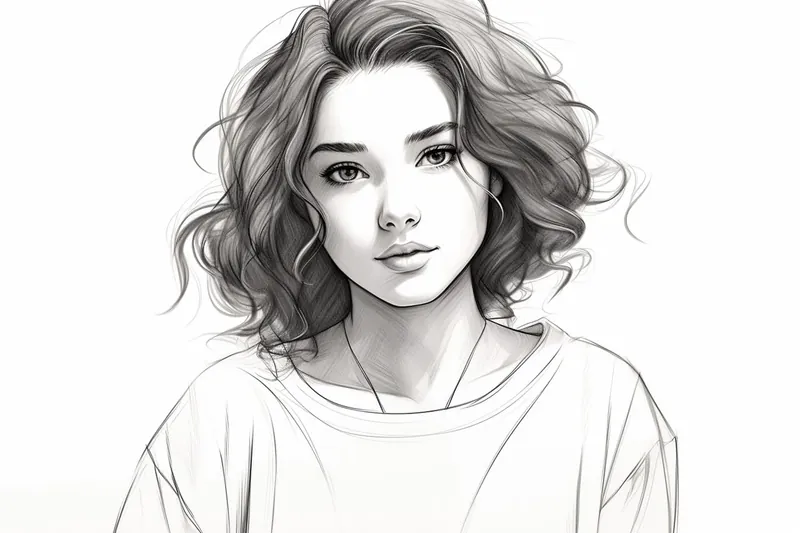
Materials You'll Need
- Pencil
- Paper
- Eraser
Teenagers are a fascinating subject for artists, embodying a unique blend of youthful energy, emerging individuality, and evolving style. Capturing their essence in art requires attention to both the subtle and distinct features that set them apart from children and adults—think expressive eyes, changing facial structure, and contemporary fashion choices. Many artists are drawn to sketching teenagers because this age group provides a dynamic range of emotion and personality, offering endless opportunities to experiment with expressions, poses, and attitude. Whether you're creating characters for comics, illustrating scenes from everyday life, or simply looking to improve your portrait skills, learning how to draw a teenager can greatly enrich your artistic portfolio.
In this comprehensive tutorial, you'll discover how to draw a teenager step by step, focusing on proportion, facial features, and body language that reflect this transitional stage of life. This lesson is perfect for artists of all experience levels, whether you're a beginner eager to practice basic anatomy or a more advanced creator wanting to refine your ability to capture subtle age differences. You'll learn techniques for sketching natural poses, experimenting with hairstyles, and adding clothing details that bring your character to life. Drawing teenagers can also help you develop your observational skills and enhance your understanding of human development.
So, gather your favorite drawing materials and prepare to explore new artistic territory. Remember, every artist improves with practice, and capturing the spirit of youth is as much about expressing emotion as it is about technical skill. With patience and creativity, you'll soon master how to draw a teenager and confidently add vibrant, lifelike characters to your artwork. Let's dive in and start creating!
Materials Required
Before we begin, let's gather all the materials you'll need for this drawing tutorial. Here's a list of what you'll need:
- Pencils: Have a range of graphite pencils, including a soft (B) pencil for shading and a hard (H) pencil for sketching.
- Erasers: You'll need a kneaded eraser for removing larger mistakes and a small plastic eraser for precise corrections.
- Paper: Choose a smooth, heavyweight paper that is suitable for sketching and shading.
- Reference Image: Find a clear and well-lit reference photo of a teenager to guide you throughout the drawing process.
- Blending Tools: Consider using blending stumps or tortillions to smudge and blend graphite for a more realistic effect.
Now that you have all your materials ready, let's dive into the step-by-step instructions.
Step 1: Start with Basic Proportions
Begin by lightly sketching a circle for the head. Then, draw a vertical line in the middle of the circle to indicate the center of the face. Next, draw a horizontal line halfway between the top and bottom of the circle, which will be a guide for placing the eyes.
Step 2: Outline the Face Shape
Using the basic proportions as a guide, carefully sketch the shape of the face around the circle. Pay attention to the angles and curves of the jawline and cheekbones. Remember that teenagers often have more defined features compared to children.
Step 3: Add Facial Features
Now, start adding the facial features. Begin with the eyes by drawing two oval shapes along the horizontal line. Then, add the eyebrows slightly above the eyes and the nose below the horizontal line. Teenagers typically have fuller lips, so sketch the mouth with more detail and volume.
Step 4: Refine the Details
Once the basic facial features are in place, it's time to refine the details. Add the irises and pupils to the eyes, and give depth by shading around them. Sketch the nostrils and add shading to create a three-dimensional look to the nose. Pay attention to the lips, adding subtle lines and shading to give them a natural appearance.
Step 5: Draw the Hair
The hairstyle plays an important role in capturing the essence of a teenager. Observe the reference image carefully and start sketching the hair, keeping in mind the texture and length. Use light, feathery strokes to represent the strands and build up the volume gradually.
Step 6: Work on the Clothing and Accessories
Now that the facial features and hair are complete, it's time to draw the teenager's clothing and any accessories. Take into consideration their style and fashion choices, and use reference images to guide you in accurately depicting clothing folds, wrinkles, and any accessories like jewelry or glasses.
Step 7: Refine and Shade
To give your drawing depth and dimension, it's important to add shading. Observe the reference image and identify areas of light and shadow. Use a soft graphite pencil to create varying shades, blending them with a blending stump or tortillion for a smooth transition between light and dark areas. Take your time with this step as it greatly contributes to the realism of the drawing.
Step 8: Final Touches
Once you are satisfied with the shading and overall appearance, it's time for the final touches. Use an eraser to clean up any unwanted lines or smudges. Add highlights to areas of the face and hair where light would naturally fall, making the drawing more lifelike.
Tip: When drawing teenagers, focus on capturing the unique proportions and facial features that distinguish them from children and adults. Start by lightly sketching the basic head shape, keeping in mind that teenagers often have slightly longer faces and more pronounced jawlines. Pay special attention to the eyes, as they are the windows to their emotions; try using larger, expressive eyes to convey attitude and personality. For their hairstyles, incorporate current trends or individual styles, while ensuring the hair flows naturally and complements their face. Lastly, experiment with clothing folds and layers that reflect their personality—looser fits can suggest a casual vibe, while tighter fits may indicate a more fashion-forward approach. Remember to have fun and let their youthful energy inspire your creativity!
Conclusion
Drawing a teenager requires careful observation and attention to detail, but with practice and these step-by-step instructions, you can confidently create a realistic representation of a teenager. Remember to start with basic proportions, define the facial features, add the hair, clothing, and accessories, and finish off with shading and final touches. Enjoy the process and let your creativity shine through!
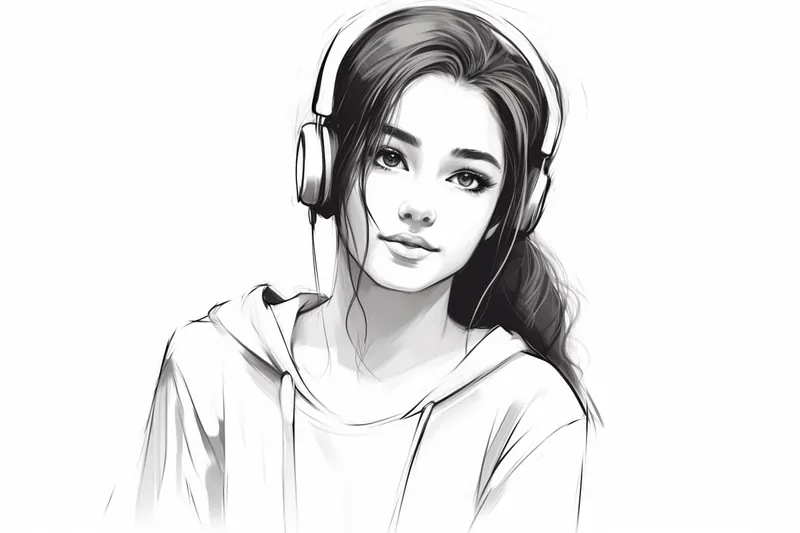
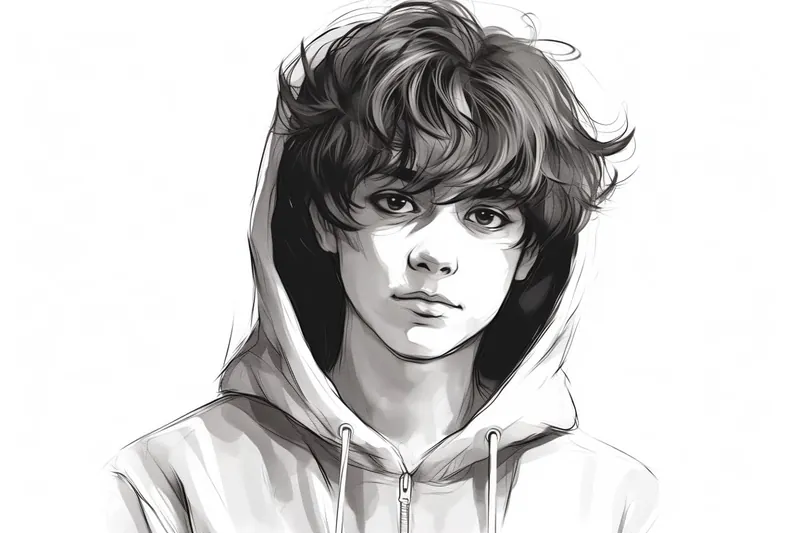
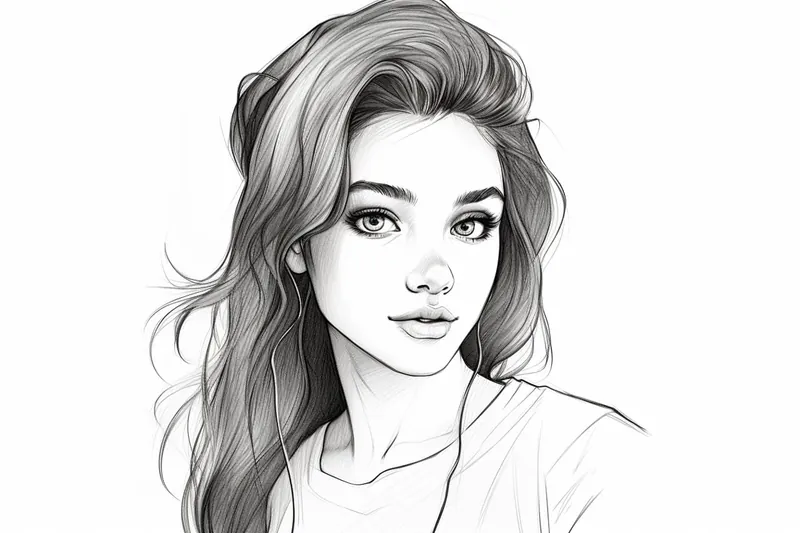
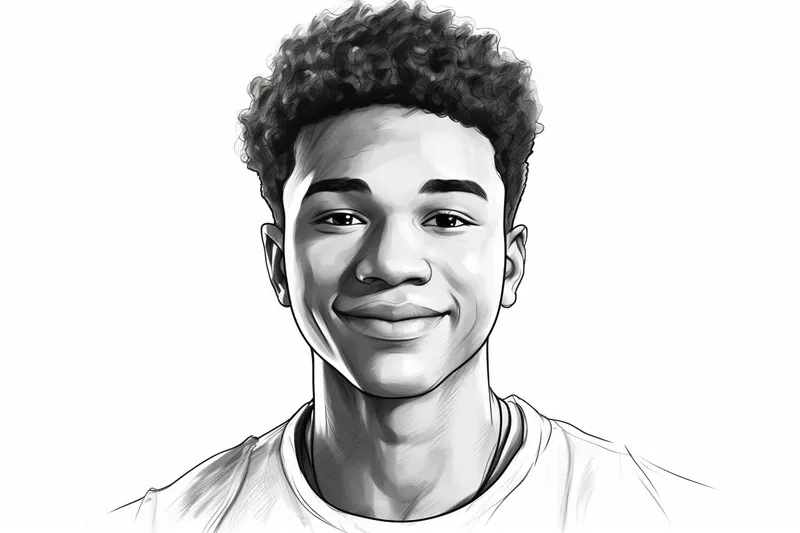
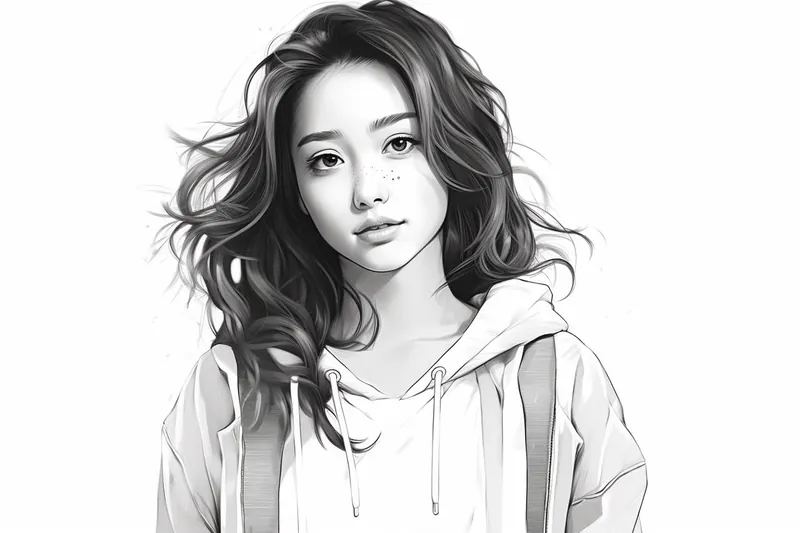
Gallery of Teenager Drawings
Fun Facts About Teenager
- The word teenager was first used in the English language in the 1940s.
- Teenagers experience a second burst of brain growth during adolescence, which is crucial for cognitive development.
- On average, teenagers need about 8 to 10 hours of sleep per night for optimal health and functioning.
- Adolescence is a period marked by rapid physical, emotional, and social development.
- Teenagers are more likely to take risks due to ongoing development in the brain's prefrontal cortex.
- The global population of teenagers (ages 13–19) is estimated to be over 1.2 billion.
- Peer influence is especially strong during the teenage years, affecting choices in fashion, music, and behavior.
- Many teenagers experience a growth spurt during puberty, with girls typically starting earlier than boys.
- Teenagers are often early adopters of new technology and social media platforms.
- Art and creative activities can help teenagers express emotions and build skills.
Suggestions for Scenes and Settings for Teenager Drawings
- A group of teenagers laughing together at a café, each displaying their unique sense of style and expression.
- A teenager sitting on their bed, surrounded by posters and personal items, lost in thought or doodling in a journal.
- A skateboarder mid-trick at a local skatepark, capturing dynamic movement and confident attitude.
- Friends taking selfies at a music festival, with colorful outfits and expressive poses.
- A student leaning against a locker in a busy school hallway, headphones on and sketchbook in hand.
- A teenager studying at a cluttered desk, illuminated by string lights, with textbooks and digital devices scattered around.
- A dramatic portrait focusing on bold makeup, trendy hairstyle, and distinctive accessories to showcase individuality.
- Teens gathered around a bonfire at sunset, sharing stories and roasting marshmallows.
- A basketball game at an urban court, highlighting teamwork, competition, and energetic body language.
- A solo teenager sitting by a window during a rainy day, headphones in, gazing outside lost in music and reflection.