How to Draw a Skull and Crossbones
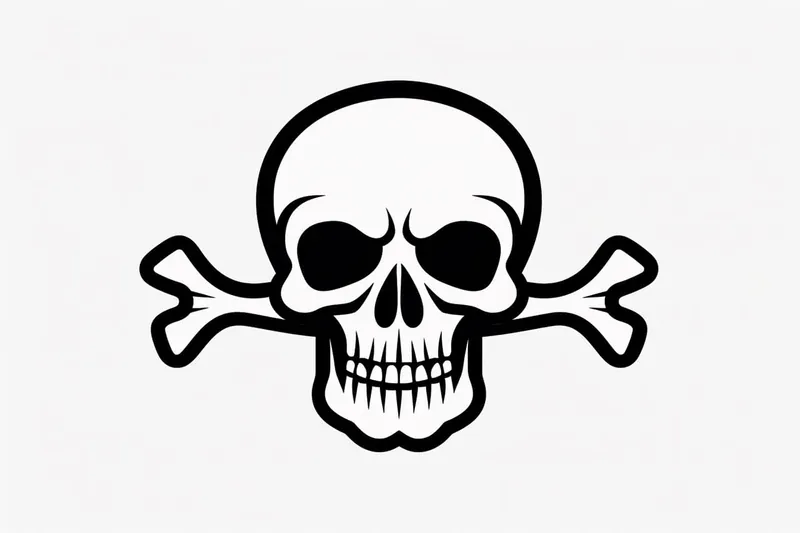
Learn how to draw a skull and crossbones in this step-by-step tutorial. Discover the secrets to capturing this timeless symbol of danger and adventure and unleash your artistic skills.
Materials You'll Need
- Pencil
- Paper
- Eraser
The skull and crossbones is a universally recognized symbol, often associated with danger, pirates, and adventure. Its striking design has appeared on everything from pirate flags to warning labels, making it an iconic image in both art and popular culture. Learning how to draw a skull and crossbones not only allows you to tap into this rich history, but also helps you develop your skills in drawing basic shapes, symmetry, and shading. Whether you're fascinated by pirate lore, interested in tattoo art, or simply looking to add some edge to your sketchbook, mastering this design can open up a world of creative possibilities.
This tutorial is suitable for artists of all levels, from complete beginners to those with more experience who wish to refine their technique. We'll break the process down into easy-to-follow steps, guiding you through constructing the skull's proportions, shaping the prominent cheekbones and jaw, and adding the distinctive crossed bones beneath. Along the way, you'll practice essential skills like outlining, refining details, and adding depth with shading. Don't worry if your first attempt isn't perfect—drawing is all about practice and progress. By following our guide on how to draw a skull and crossbones, you'll gain confidence and have fun bringing this bold symbol to life. Grab your favorite drawing tools, let your imagination set sail, and let's get started on this creative journey together!
Materials Required
To bring your skull and crossbones to life, you'll need the following materials:
- A sheet of paper or sketchbook
- Pencils (preferably a range of hardness, such as 2H, HB, and 4B)
- An eraser
- A sharpener
- Optional: colored pencils or markers for adding vibrant details
Now that you have your materials ready, let us dive into the exciting process of drawing a skull and crossbones.
Step 1: Basic Skull Shape
Begin by lightly sketching a circle in the center of your paper. This circle will serve as the foundation for the skull. Next, draw a vertical line cutting through the circle to establish the skull's centerline. Now, draw a horizontal line intersecting the centerline slightly below the circle. This horizontal line will help you position the eye sockets later on.
Step 2: Eye Sockets and Nose
Using the horizontal line as a guide, draw two almond-shaped eye sockets on either side of the centerline. Don't worry about perfection at this stage; we'll refine the details later. Beneath the eye sockets, draw a triangle-like shape for the nose. Keep the lines light and sketchy to allow for adjustments as needed.
Step 3: Jawline and Teeth
Connect the bottom of the nose to the circle with two curved lines to indicate the jawline. From the center of the jawline, draw a horizontal line for the teeth. The number of teeth may vary, but typically eight on top and eight on bottom is a good starting point. Sketch small triangles or rectangles along the line to represent the teeth.
Step 4: Eye and Nose Details
Now it's time to bring the skull to life! Refine the shape of the eye sockets by adding a slight curve at the top and bottom, giving them a more realistic appearance. Within each eye socket, draw a small circle for the iris and fill it in with a dark pencil. Add a smaller circle inside the iris to represent the pupil. Next, refine the shape of the nose by rounding the edges and adding nostril openings.
Step 5: Creases and Shadows
To add depth and realism to your skull, start by sketching curved lines around the eyes and nose to create creases in the skull's surface. This will give it a weathered and aged look. Shade the areas around the creases and beneath the skull to create shadows and enhance the three-dimensional effect.
Step 6: Crossbones
Now that the skull is complete, let's move on to the crossbones. Draw two slightly curved lines intersecting at the bottom of the skull. These will serve as the bones. At the end of each line, sketch a shape resembling an elongated "U" to represent the bone ends. Add details such as small lines for texture to make the bones more realistic.
Step 7: Refining and Adding Details
Take a moment to step back and assess your work so far. If necessary, erase any unnecessary guidelines or adjust the proportions to your liking. Refine the skull's features by darkening the lines and adding any additional details you desire. You can also experiment with shading and highlighting to give your drawing more depth.
Tip: As you work through each step of drawing the skull and crossbones, remember to continuously step back and assess your progress from a distance; this will help you spot any disproportionate features or areas needing refinement that might not be obvious when viewed up close. Additionally, don't hesitate to experiment with different shading techniques and textures to enhance the depth and realism of your drawing, ensuring that your unique style shines through.
Step 8: Adding Color (optional)
If you'd like to add a touch of color to your drawing, now is the time! Select your preferred coloring medium, whether it's colored pencils, markers, or even watercolors. Begin by lightly layering the colors, gradually building up the intensity. Pay attention to light and shadow, using different shades to create a more realistic appearance.
Did You Know?: The skull and crossbones symbol, famously known as the "Jolly Roger," wasn't always a pirate emblem—in fact, early forms appeared in medieval times as a memento mori, a reminder of mortality. Pirates later adopted it to strike fear into their targets, signaling that resistance meant certain doom. Interestingly, each pirate crew often customized their version of the flag with different skulls, bones, and sometimes even hourglasses or swords. When drawing your own skull and crossbones, you're connecting with a centuries-old visual language that has evolved from somber reminders to bold declarations of danger and defiance.
Conclusion
Congratulations on completing your skull and crossbones drawing! Remember, practice makes perfect, so don't be discouraged if your first attempt doesn't meet your expectations. Keep refining your skills and experimenting with different techniques. Soon enough, you'll be able to create stunning skull and crossbones drawings that capture the essence of danger and adventure.
Do you have any tips or techniques you'd like to share with fellow artists? Feel free to leave your comments below. Happy drawing!
Fun Facts About Skull and Crossbones
- The skull and crossbones symbol was first used by pirates in the early 18th century to strike fear into their victims.
- This symbol is officially known as the Jolly Roger when flown on pirate ships.
- Today, the skull and crossbones is widely used as a warning label for toxic substances.
- Historically, the symbol was also used on tombstones to represent mortality and the fleeting nature of life.
- The design has roots in medieval and Renaissance art, where it was used in memento mori imagery to remind viewers of death.
- Some military units, such as the British Army's Queen's Royal Lancers, have adopted the skull and crossbones as their insignia.
- The skull and crossbones is a popular motif in tattoo art, symbolizing rebellion, danger, or a fearless attitude.
Suggestions for Scenes and Settings for Skull and Crossbones Drawings
- Pirate ship flag waving in a stormy sea, with the skull and crossbones looming large and menacing.
- A treasure map with a faded skull and crossbones marking the location of hidden gold.
- A mystical forest clearing where the skull and crossbones is carved into an ancient, moss-covered tree.
- The entrance to a secret cave with a skull and crossbones sign warning adventurers of danger inside.
- A vintage apothecary bottle with a skull and crossbones label, hinting at a poisonous potion within.
- A futuristic cyberpunk city where neon skull and crossbones signs advertise an underground club.
- A biker jacket patch design featuring a stylized skull and crossbones with flames or lightning bolts.
- A haunted pirate captain's quarters, with the symbol etched into a wooden desk or wall.
- A tattoo-style design combining the skull and crossbones with roses, vines, or anchors for added flair.
- A Halloween-themed scene with a skull and crossbones perched atop a pile of candy and spooky decorations.