How to Draw a Sad Face
Learn how to draw a sad face step-by-step with this guide. Convey emotions through art and create a realistic representation of sadness. Perfect for beginners and aspiring artists.
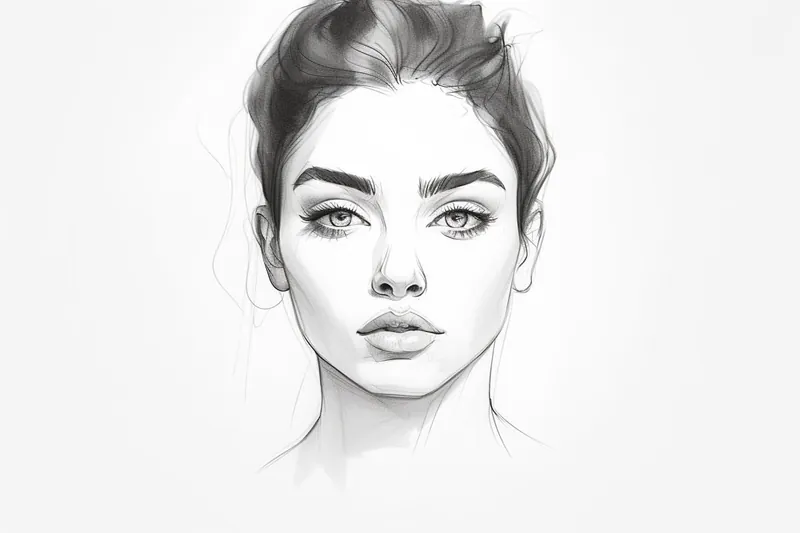
Materials You'll Need
- Pencil
- Paper
- Eraser
Faces are powerful storytellers in art, and few expressions communicate emotion as universally as a sad face. Capturing sadness on paper can be a meaningful way to explore human emotion, practice observational skills, and add depth to your artistic portfolio. Sad faces often feature subtle shifts in facial features—downturned lips, heavy eyelids, and expressive eyebrows—that convey feelings of melancholy, loss, or empathy. Whether you're illustrating a character in a graphic novel, working on a portrait, or simply seeking to better understand the structure of facial expressions, knowing how to draw a sad face can greatly enhance your ability to communicate mood and narrative through your art.
Learning how to draw a sad face is not only about mastering technical skills, but also about understanding the emotional impact of your artwork. This subject is an excellent exercise for artists of all levels, from beginners aiming to grasp basic proportions and shading, to more advanced creators refining their ability to capture nuanced emotions. You'll have the opportunity to practice techniques such as soft shading, careful line work, and paying attention to anatomical details that make the expression truly believable. Don't worry if this is your first time tackling such a subject—our step-by-step guide is designed to break down the process into manageable stages, building your confidence as you go. Remember, every artist develops their own style and approach, so embrace the journey and let your creativity shine as you learn to express emotion on the page!
Materials Required
Before we begin, let's gather the materials you will need to draw a sad face:
- Pencil: Choose a pencil with a medium lead, such as a 2B or HB, for sketching and shading.
- Paper: Opt for a smooth, white drawing paper that is suitable for pencil work.
- Eraser: Have an eraser handy to correct any mistakes and smudges along the way.
- Blending tool: You can use a blending stump or even a cotton swab to blend and soften pencil marks.
Now that we have our materials ready, let's dive into the step-by-step process of drawing a sad face.
Step 1: Draw the Basic Outline
Begin by lightly sketching a circle on your paper. This will serve as the foundation for the head. Keep the lines faint and loose, as you will be refining them later. Next, draw a vertical line down the center of the circle, and a horizontal line across the middle. These lines will act as guides for placing the facial features.
Step 2: Add the Eyes
Sadness is often expressed through the eyes, so pay close attention to this step. Starting from the center point where the vertical and horizontal lines intersect, draw two almond-shaped eyes, slightly tilted downwards. Make the eyes narrower and more elongated than when drawing a neutral or happy face. Leave a small space between them.
Step 3: Create the Eyebrows
Draw curved eyebrows just above the eyes to further enhance the sad expression. These eyebrows should be raised towards the center and then slope downwards towards the outer edges of the face. The inner corners of the eyebrows should be slightly raised, creating a subtle arch.
Step 4: Form the Nose
Positioned just below the horizontal line, draw a small, slightly curved line for the bridge of the nose. Then, extend two vertical lines downward from the bridge to form the sides of the nose. Keep in mind that a sad face often features a slightly drooping or downward-pointing nose, reflecting a sense of sorrow.
Step 5: Outline the Mouth
Tip: To enhance the emotional depth of your sad face drawing, consider experimenting with lighting and shadows. Using a soft light source can create a more dramatic atmosphere, emphasizing the contours of the face and the sadness in the expression. Play with shading techniques to highlight areas around the eyes and mouth, as this can intensify the overall mood and allow viewers to connect more deeply with the emotion you're trying to portray.
To convey sadness effectively, draw a downward-curved, slightly elongated mouth. Begin with a short horizontal line in the center, just below the nose. From there, draw two curved lines extending downward, mirroring the shape of a frown. Make sure the corners of the mouth are slightly turned downward as well.
Step 6: Add Tears
Tears are a common symbol of sadness, and adding them to your sad face drawing can enhance its emotional impact. Draw small teardrops outside the lower corners of the eyes, extending slightly down towards the cheeks. Remember to keep the tears subtle and delicate to maintain a realistic effect.
Step 7: Sketch the Face's Contours
At this point, you can refine the sketch and add more definition to the face. Lightly shade the areas around the eyes, beneath the eyebrows, and along the sides of the nose to create depth and shadows. Use gentle, circular motions to blend and soften the pencil marks, achieving a natural appearance.
Step 8: Darken the Features
To enhance the expression and overall effect of sadness, carefully darken the lines of the eyes, eyebrows, and mouth. This will add contrast and bring more attention to these features. Be mindful of the intensity of the shading and make adjustments as needed to maintain a balanced and realistic representation.
Step 9: Fine-Tune the Details
Take a step back and assess your drawing. Look for any areas that require adjustment or refinement. Pay close attention to the symmetry of the face, ensuring that both sides are proportionate and aligned. Make any necessary corrections or additions to achieve a more polished and lifelike sad face.
Conclusion
Drawing a sad face allows you to convey emotions and connect with your viewers on a deeper level. By following the step-by-step instructions laid out in this guide, you can create a realistic and emotive representation of sadness. Remember to practice and experiment with different techniques to further develop your artistic skills. With time and dedication, you can master the art of drawing various emotions, including a sad face.
Fun Facts About Sad Face
- The sad face is one of the six basic human emotions identified by psychologist Paul Ekman.
- Artists often use downturned lips and drooping eyelids to depict sadness, a technique discussed in Expressionism.
- Sad facial expressions are recognized across cultures, making them a universal form of nonverbal communication.
- In digital communication, the sad face emoticon ":(" was first used in 1982.
- Studies show that seeing a sad face can trigger empathetic responses in the brain.
- Sad faces are frequently used in art therapy to help individuals express and process difficult emotions.
- Leonardo da Vinci's sketches include studies of sad faces, demonstrating the importance of emotion in Renaissance portraiture.
- Animated films often exaggerate sad facial features to evoke sympathy, a technique explored by Pixar's "Inside Out".
Suggestions for Scenes and Settings for Sad Face Drawings
- A child standing in the rain, looking out from under an umbrella with tear-filled eyes.
- An elderly person staring wistfully at an old photograph, their face illuminated by soft window light.
- A character sitting alone at a bus stop at night, reflecting loneliness and longing.
- A sad clown with smeared makeup, looking down after a performance in an empty circus tent.
- A person peering through a fogged-up window, their expression heavy with loss or worry.
- A student sitting at their desk, head in hands, with crumpled papers scattered around—capturing frustration and defeat.
- A pet sitting beside its owner's empty chair, eyes glistening with sadness and longing.
- A person watching a departing train or bus, capturing the emotion of saying goodbye.
- A superhero with their mask removed, revealing a vulnerable, sorrowful expression in a quiet moment.
- A group of friends in the background laughing, while a single person in the foreground wears a sad face, expressing isolation.