How to Draw a Runner
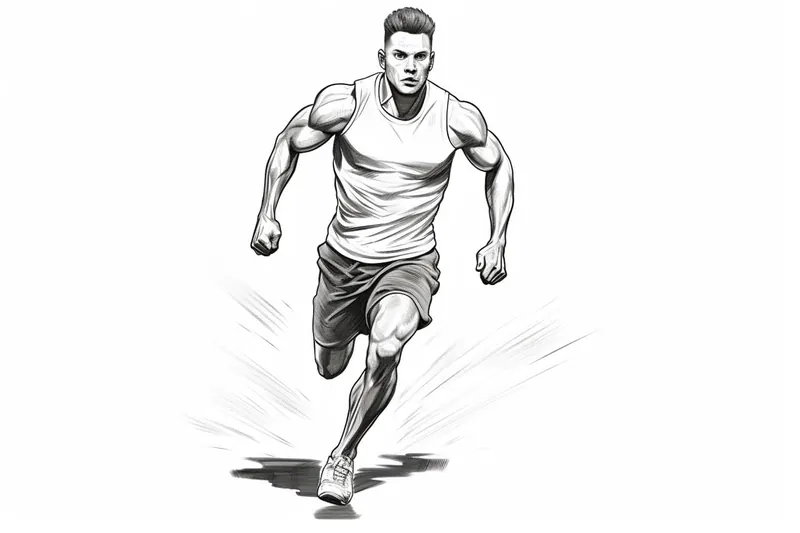
Learn how to draw a runner with this step-by-step guide. Capture the energy and excitement of running in your artwork with these easy-to-follow instructions.
Materials You'll Need
- Pencil
- Paper
- Eraser
Running is not only a beloved sport worldwide but also a dynamic expression of human strength, agility, and determination. Capturing this movement through drawing allows artists to explore anatomy, motion, and emotion all at once. If you've ever wanted to portray the fluidity and power of a runner in your artwork, this tutorial on how to draw a runner is the perfect place to start. Whether you're inspired by the grace of a sprinter or the steady endurance of a marathoner, learning to depict this subject helps you develop a keen understanding of human proportions and kinetic energy.
This tutorial is designed for artists of various skill levels, from beginners eager to improve their figure drawing skills to more experienced illustrators looking to refine their technique. Drawing a runner involves mastering basic anatomy, capturing the balance between muscle tension and relaxation, and conveying motion through posture and gesture. By breaking down the steps into manageable parts, you'll learn how to construct the figure, add details like clothing and facial expression, and create a sense of forward momentum. The techniques covered will not only enhance your ability to draw athletes but also improve your overall figure drawing skills.
With just a few simple materials and a willingness to practice, you can bring to life the excitement and energy of running on paper. Remember, every stroke helps you better understand the nuances of human movement. So dive in with confidence and enjoy the creative journey—soon you'll be able to capture the vibrant spirit of a runner in your own unique style. Let's get started and explore how to draw a runner step-by-step!
Materials Required:
Before we dive into the steps, let's take a moment to understand the anatomy and movement of a runner. This knowledge will help you capture the correct proportions and dynamic motion in your drawing.
A runner's body typically leans forward, with the head slightly tilted upwards. The arms are bent at the elbows, moving in sync with the legs. The legs are extended forward and back, with the knees slightly lifted. It's essential to remember that the runner's body is always in motion, so capturing a sense of movement in your drawing is crucial.
Now, let's get started!
Step 1: Basic Skeleton
Begin by lightly sketching a stick figure to establish the pose of your runner. Draw a vertical line for the spine, circle for the head, and lines for the arms and legs. Keep the lines loose and light, as they will be refined in later steps.
Step 2: Head and Torso
Add more details to the head by shaping it with more defined lines. Draw a circular shape for the torso, slightly elongated to reflect the forward-leaning position of the runner. Connect the head and torso with a curved neck line.
Step 3: Arms
Sketch the arms of the runner based on the stick figure framework. Begin with simple shapes to represent the upper arms and forearms. Consider the bend at the elbows and the swing of the arms as they move in sync with the legs.
Step 4: Legs and Feet
Draw the legs and feet of the runner, again using the stick figure framework as a guide. Pay attention to the angle of the legs and the position of the knees. Add basic shapes for the feet, keeping in mind that they should appear in motion, as if touching the ground lightly.
Step 5: Refining the Body
Refine the body by adding more definition to the shapes. Add curves to the outline of the torso to give it volume and depth. Similarly, add curves and contours to the arms and legs, emphasizing the muscles and joints.
Step 6: Facial Features
Add facial features to your runner. Sketch the eyes, nose, and mouth lightly, keeping them in proportion to the size of the head. Focus on capturing the intensity and determination often seen in runners' expressions.
Step 7: Clothing and Details
Draw the runner's clothing, paying attention to the fabrics and folds that result from the movement. Add any other details, such as hair, accessories, or logos on their attire. These details can help personalize your drawing and add character to your runner.
Step 8: Finalize the Outline
Go over your sketch, refining the lines and erasing any unnecessary marks. Use a fine liner pen to outline the final drawing, or continue using a pencil for a softer look. Erase any remaining guidelines and unnecessary lines, leaving behind a clean outline.
Step 9: Adding Color (Optional)
If desired, add color to your drawing using colored pencils or markers. Consider using vibrant colors to further capture the energy and excitement of the runner. Experiment with shading and blending techniques to add depth and dimension to your artwork.
Congratulations, you've successfully drawn a runner! With practice and patience, you can further refine your technique and create more dynamic and detailed drawings of runners in various poses and actions.
Remember, drawing is a skill that develops over time, so don't be discouraged if your first attempts aren't perfect. Keep practicing, experimenting, and enjoying the process of creating art.
Conclusion
Drawing a runner allows you to capture the grace, athleticism, and movement inherent in this incredible sport. By following these step-by-step instructions, you can create a captivating artwork that showcases the essence of running. With practice, you'll be able to add your own unique style and personality to your drawings. Embrace the joy of creating art and let your imagination run wild!
Fun Facts About Runners
- Running is one of the oldest forms of human locomotion, dating back over 2 million years as a survival skill.
- The world record for the fastest marathon is held by Eliud Kipchoge, who ran 26.2 miles in under 2 hours.
- Running regularly can increase lifespan by reducing the risk of cardiovascular diseases and improving mental health.
- Humans are exceptional endurance runners, capable of running long distances due to efficient cooling through sweating and upright posture.
- Trail running is a popular variation that combines running with nature exploration, often on uneven terrain and hills.
- Running can improve brain function by increasing blood flow and stimulating the release of endorphins, often called the "runner's high."
- The average running speed varies widely, but elite sprinters can reach speeds over 27 miles per hour in short bursts.
- Footwear technology has evolved significantly, with modern running shoes designed to enhance performance and reduce injury risk.
- Running is a global sport with millions participating in events ranging from local 5Ks to international marathons.