How to Draw a Punch
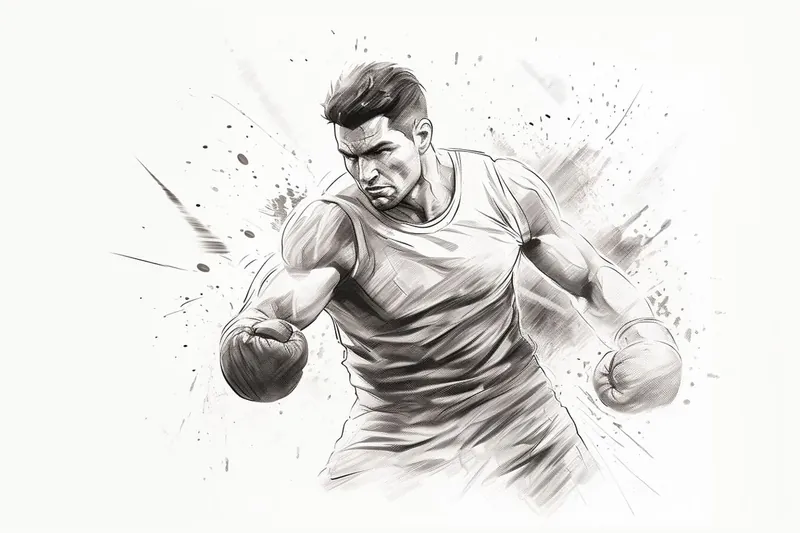
Learn how to draw a punch step-by-step. This tutorial will guide you in creating a dynamic and powerful punch in your artwork. Perfect for artists of all skill levels.
Materials You'll Need
- Pencil
- Paper
- Eraser
Drawing a punch is an exciting way to bring drama and action to your art. The punch, whether seen in comics, animation, or realistic figure drawing, is a symbol of strength, motion, and emotion. Artists often use punches to capture climactic moments in superhero battles, martial arts scenes, or expressive character studies. Understanding how to draw a punch allows you to communicate intensity and movement, making your illustrations more dynamic and engaging. This subject not only challenges your ability to depict anatomy and foreshortening but also helps you practice capturing the flow of energy through the human body.
You might want to learn how to draw a punch if you're interested in storytelling, character design, or simply want to improve your skills in drawing the human figure in action. Punches are a staple in comic book art and animation, and mastering them can elevate your visual narratives. This tutorial is designed for artists of all skill levels, from beginners just starting to explore figure drawing to more experienced creators looking to refine their technique. We'll break down the process step-by-step, focusing on gesture, anatomy, perspective, and the subtle cues that make a punch look truly powerful.
As you follow along, you'll discover tips for sketching dynamic poses, understanding muscle structure, and using lines to suggest motion and impact. Don't worry if your first attempts don't look perfect—capturing action takes practice, and every drawing is a step forward. With patience and creativity, you'll soon feel confident in how to draw a punch that leaps off the page. Let's get started and add some real impact to your art!
Materials Required
Before we dive into the drawing process, let's gather the materials you will need:
- Paper: Choose a quality drawing paper that can handle pencil shading and erasing.
- Pencils: Have a range of graphite pencils, such as 2B, 4B, and 6B, to achieve different shades.
- Eraser: A kneaded eraser is recommended for its versatility in lifting highlights and lightening pencil lines.
- Pencil Sharpener: Keep your pencils sharp for precision and control.
Now that we have our materials ready, let's begin the exciting journey of drawing a punch!
Step 1: Setting the Pose
Start by visualizing the pose and motion of the punch. A punch is an action-oriented movement, so consider the direction and force behind it. Decide whether the punch is coming towards you, away from you, or from the side. Sketch a loose outline of the arm and fist in your desired position. Use light strokes to indicate the basic structure and proportions.
Step 2: Defining the Fist
Now it's time to shape the fist more precisely. Start by drawing a cube-like shape to represent the main structure of the knuckles. Remember that the knuckles curve slightly and are not perfectly flat. Connect the sides of the cube with curved lines to create a more organic look. Add the thumb on one side of the fist, making sure it follows the natural contours. Refine the shape of the fingers by adding cylindrical forms.
Step 3: Adding Details to the Fist
Next, add more details to the fist to make it appear more realistic. Indicate the joints and creases of the fingers by drawing curved lines. Pay attention to the bending of each finger, as it will add depth and dimension to your punch. Sketch the fingernails lightly on the tips of the fingers. Use subtle shading to create a sense of volume and texture.
Step 4: Drawing the Arm
Now, shift your focus to drawing the arm leading up to the fist. Start by outlining the upper arm and forearm with curved lines. Pay attention to the muscle structure and form of the arm. Add the elbow joint, which will help define the bending of the arm. Use shading techniques to give the arm a three-dimensional appearance. Remember to keep the lines light at this stage, as we will refine them later.
Step 5: Adding the Details on the Arm
To make the arm look more realistic, add some details and texture. Pay attention to the muscle definition by adding curved lines and shading. Observe references or your own arm to understand how muscles and tendons appear under different positions. Keep in mind the direction of light and shadow to enhance the illusion of depth.
Step 6: Enhancing the Punch with Motion Lines
To convey the dynamic energy of the punch, add motion lines around the fist and arm. These lines should follow the direction of the punch and emphasize its speed and impact. Use quick, loose strokes to create the sense of movement. Vary the thickness and darkness of the lines to give the motion lines more depth and dimension.
Step 7: Refining and Detailing
Now that the basic elements are in place, it's time to refine the drawing. Go over your outlines and details, making them more defined and precise. Erase any unnecessary guidelines or light construction lines that are no longer needed. Pay attention to the smaller details, such as folds in the skin and fabric of clothing if applicable. Take your time during this stage to ensure a polished look.
Step 8: Shading and Value
To bring your punch to life, add shading and value to your drawing. Observe the source of light in your scene and imagine where the shadows would fall. Use a range of graphite pencils to create various shades, from light to dark. Gradually build up the shading to create volume and depth in the different parts of the punch. Pay attention to the areas that would be in shadow and those that would catch highlights.
Step 9: Final Touches
In the last step, refine any remaining details and make any necessary adjustments. Add additional shading or highlights to enhance the overall composition. Take a step back and evaluate your drawing as a whole. Make any final tweaks to ensure a well-balanced and visually appealing punch.
Tip: To effectively capture the energy of a punch, start with a loose, dynamic gesture line that conveys the motion and direction of the punch before adding details. Use a medium like a pencil or charcoal that allows for easy adjustments; begin with light strokes to establish the pose and flow of the body. Focus on the shoulder and hip rotation, as these are key to suggesting power and momentum—think of them as the engine driving the punch. Once you have the basic shapes down, refine the anatomy by emphasizing muscle tension in the arm and torso, and don't forget to show the weight shift in the legs. For a finishing touch, consider adding motion lines or impact effects around the fist to enhance the feeling of action!
Conclusion
Congratulations on completing your punch drawing! By following these step-by-step instructions, you have learned how to create a powerful and dynamic punch in your artwork. Remember that practice makes perfect, so keep exploring and experimenting with different poses and techniques. With time and dedication, you will continue to improve your skills as an artist.
So grab your pencils and paper, and let your imagination unleash the energy of a captivating punch in your art!
Fun Facts About Punch
- The punch is one of the oldest combat techniques, with evidence of its use dating back to ancient Sumerian and Egyptian civilizations.
- In boxing, the fastest recorded punch was thrown at a speed of 45 miles per hour.
- The term "punch" in martial arts refers to a strike delivered with a closed fist.
- Comic book artists often exaggerate the size of fists and use motion lines to make punches appear more dynamic, a technique discussed by Comic Art Fans.
- There are many types of punches in martial arts, including the jab, cross, hook, and uppercut.
- In animation, the "smear frame" technique is used to create the illusion of a fast punch.
- The world's hardest punch, measured at over 1,300 pounds of force, was delivered by heavyweight boxer Francis Ngannou.
- Punches are not only used in fighting but also as a dramatic storytelling device in comics and films.
- Proper punching technique involves rotating the hips and shoulders to maximize power.
Suggestions for Scenes and Settings for Punch Drawings
- A superhero delivering a dramatic punch to a towering villain on a city rooftop at night.
- Two martial artists exchanging rapid punches in a traditional dojo, with onlookers in the background.
- A boxer mid-swing in a brightly lit ring, sweat and energy bursting from the impact.
- A fantasy character punching through a magical barrier, shards of light and energy flying outward.
- A street brawl scene where a protagonist throws a punch to protect a friend in a bustling alleyway.
- An animated slow-motion shot of a punch connecting, with exaggerated motion lines and blurred effects.
- A comedic scene where a small animal or child delivers a playful punch to a surprised adult.
- A sci-fi setting where a cyborg hero's metallic fist punches through a robot opponent's armor.
- A historical duel where a knight or samurai throws a gauntleted punch during a heated battle.
- A training montage with a character practicing punches at a punching bag in a grungy gym.