How to Draw a Pug
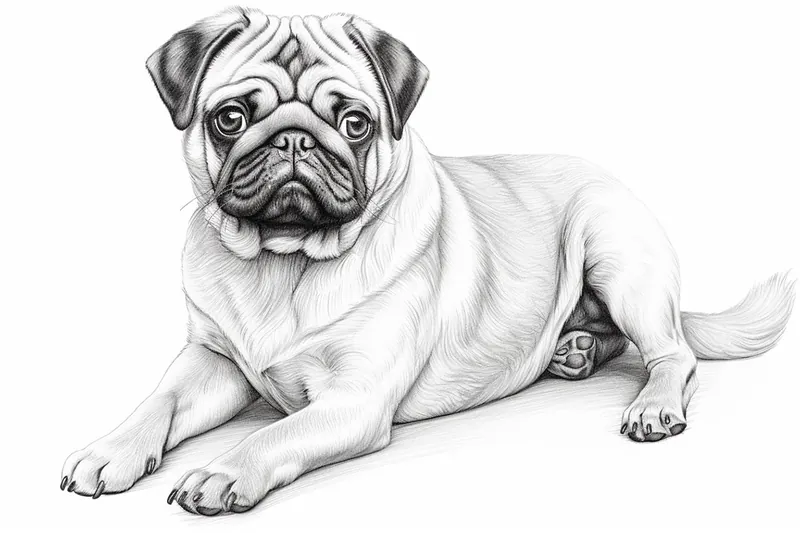
Learn how to draw a pug with this step-by-step tutorial for beginners and experienced artists. Capture the unique features of these adorable dogs in your artwork.
Materials You'll Need
- Pencil
- Paper
- Eraser
Pugs are one of the most beloved dog breeds, instantly recognizable by their wrinkled faces, big expressive eyes, and compact, sturdy bodies. Their playful personalities and endearing appearance have made them popular companions and frequent muses for artists of all skill levels. In this comprehensive tutorial, you'll learn how to draw a pug from start to finish, capturing not only the physical features that make these dogs so charming but also a bit of their irresistible character. Whether you're a fan of pugs, a pet owner looking to create a portrait of your furry friend, or simply want to expand your drawing repertoire with a new subject, this guide is a perfect starting point.
Learning how to draw a pug is a wonderful exercise in observing and rendering unique animal features. This tutorial is designed for both beginners and experienced artists, breaking down the drawing process into easy-to-follow steps. You'll practice sketching basic shapes, building up the pug's distinctive facial wrinkles, and adding shading for depth and realism. Along the way, you'll refine your observation skills and gain confidence in drawing other animals as well. Don't worry if you're new to drawing—patience and practice are all you need. Gather your materials, follow along with each step, and soon you'll have a delightful pug illustration to be proud of!
Tip: To enhance your pug drawing, consider using a variety of pencil pressures when shading to create more dynamic contrasts between light and shadow; this will help add depth and dimension to your illustration. Experiment with layering different shades gradually, allowing for smoother transitions and more realistic fur texture, which can elevate the overall quality of your artwork.
Remember, every artist's journey is unique, and learning how to draw a pug is as much about enjoying the creative process as it is about achieving the final result. So relax, have fun, and let your imagination shine as you bring your pug drawing to life!
Materials Required
Before we begin, make sure you have the following materials ready:
- Drawing paper or sketchbook
- Pencils (preferably a range of 2B to 6B)
- Eraser
- Blending stump or cotton swabs
- Reference image of a pug (you can use a photograph or find one online)
Having these materials prepared will ensure a smooth and enjoyable drawing experience.
Step 1: Basic Guidelines
To start, lightly sketch the basic guidelines for the pug's head and body. Begin by drawing a circle for the head and add a slightly elongated oval shape for the body. Position the head slightly tilted to give it a lively and playful look. These guidelines will serve as the foundation for the pug's proportions.
Step 2: Outline the Head
Using the basic guidelines as your reference, outline the shape of the pug's head. Pay attention to the unique features of a pug, such as the wrinkled forehead and a small snout. Keep your lines light and loose, as we will refine them later.
Step 3: Sketch the Facial Features
Next, focus on the pug's facial features. Start by drawing the eyes, which are typically large and round. Add the eyebrows slightly above the eyes to capture the pug's expressive look. Then, sketch the small triangular nose and a smiling mouth with a slightly protruding tongue. Take your time and observe the reference image closely to capture the pug's unique facial expressions.
Step 4: Define the Ears and Wrinkles
Pugs are known for their adorable floppy ears and wrinkled skin. Draw the pug's ears on either side of the head, making them slightly curved and droopy. Then, carefully add the wrinkles on the forehead, around the eyes, and the folds on the side of the head. These details will bring more depth and realism to your drawing.
Step 5: Outline the Body
Moving on to the body, refine the outline by adding curves and contours to give the pug a chubby appearance. Pay attention to the belly, chest, and the shape of the legs. Pugs have short legs, so make sure to capture their proportions accurately. Take your time to ensure everything looks balanced and in harmony with the head.
Step 6: Add Fur Details
Pugs have a short and smooth coat, so we will use subtle lines to indicate the fur. Start by adding short, gentle strokes around the face, body, and ears. Gradually build up the fur texture by using a cross-hatching technique. Be careful not to overdo it, as we want to maintain the pug's smooth appearance.
Step 7: Refine and Shade
With the basic outlines and fur details complete, it's time to refine your drawing and add shading. Use a softer pencil (like a 4B or 6B) to darken the necessary areas. Shade the pug's eyes, nose, and mouth to create depth and dimension. Pay attention to the areas where the light hits the pug, as well as the shadows created by the wrinkles and ears. Use a blending stump or cotton swab to smooth out the shading and create a more realistic look.
Step 8: Final Details
Now that your pug drawing is taking shape, it's time to add the final details. Darken the eyes and add highlights to make them appear glossy. Fine-tune the wrinkles and fur texture by adding subtle lines and shadows. Take a step back to assess your drawing and make any necessary adjustments to ensure accuracy.
Mistake Alert: A common mistake when drawing pugs is making their faces too flat or missing the three-dimensional structure beneath all those adorable wrinkles. This often happens because beginners focus only on the surface details (like the folds and big eyes) without first sketching the underlying head shape, causing the portrait to look lifeless or awkwardly proportioned. To avoid this, start with gentle guidelines to map out the rounded shape of the skull and the placement of the muzzle before adding facial features and wrinkles. This foundation will help your pug look more solid and believable, and ensures that those signature wrinkles wrap around the face naturally rather than floating on top. Take your time with the construction lines—they're the secret to capturing a pug's charm!
Conclusion
Congratulations! You have successfully learned how to draw a pug. Pugs are delightful creatures, and capturing their unique features on paper can be a rewarding experience. Remember to be patient and practice regularly to improve your skills. Don't forget to sign your artwork and share it with others. Enjoy the process and have fun unleashing your creativity!
Fun Facts About Pug
- Pugs originated in China over 2,000 years ago and were bred as companions for royalty.
- Their signature wrinkled faces are not just cute—each wrinkle pattern is unique to the individual pug.
- Pugs are known for their charming and mischievous personalities, earning them the nickname "clowns of the canine world."
- They have a distinctive curled tail, which can curl once or even twice over the back.
- Pugs are a brachycephalic breed, meaning they have short noses and flat faces, which can lead to breathing issues.
- Queen Victoria of England was a famous pug enthusiast and helped popularize the breed in Europe.
- Pugs are highly social and thrive on human companionship, making them excellent family pets.
- Their short, smooth coats come in a variety of colors, but fawn and black are the most common.
- Pugs are prone to obesity, which can affect their lifespan if not managed properly.
Suggestions for Scenes and Settings for Pug Drawings
- A pug wearing a superhero cape, striking a heroic pose atop a city rooftop at sunset.
- A playful pug chasing butterflies in a blooming spring garden, surrounded by colorful flowers.
- A cozy pug curled up on a plush pillow beside a crackling fireplace in a warm living room.
- A cheerful pug riding in a bicycle basket through a bustling park on a sunny day.
- A pug dressed as an artist, painting on a canvas in a bright and whimsical art studio.
- A group of pugs having a tea party with tiny cups and pastries in a magical woodland setting.
- A pug splashing joyfully in a kiddie pool, droplets sparkling in the summer sunlight.
- An adventurous pug exploring a forest trail, wearing a tiny backpack and looking curious.
- A sleepy pug snuggled under a blanket, surrounded by favorite toys and a bedtime storybook.
- A festive pug wearing a party hat, celebrating a birthday with balloons and confetti.