How to Draw a Pipe
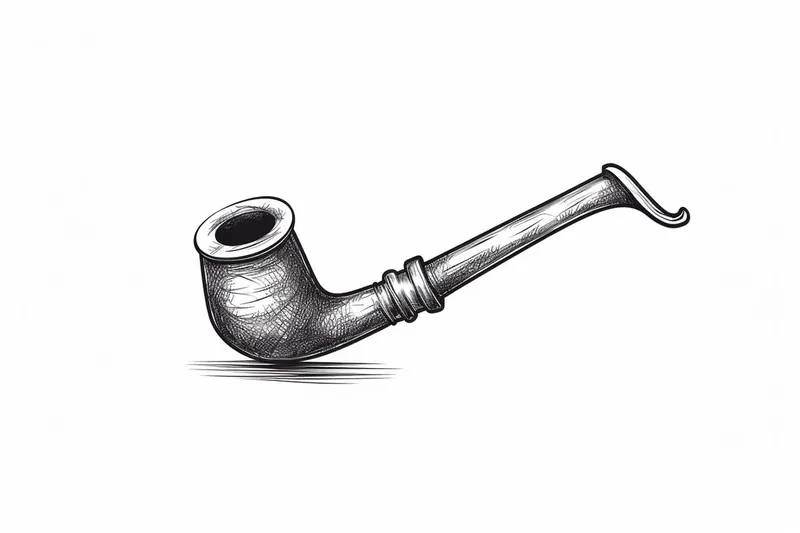
Learn how to draw a pipe with this step-by-step tutorial. Follow the expert instructions to create a detailed and realistic representation of a pipe.
Materials You'll Need
- Pencil
- Paper
- Eraser
Pipes have long been iconic objects in art and culture, often associated with contemplation, wisdom, and classic style. Whether you picture an old-fashioned tobacco pipe, a sleek modern design, or even a functional plumbing pipe, learning how to draw a pipe offers a unique opportunity to practice rendering cylindrical forms, smooth curves, and subtle shading. Drawing a pipe is not just about capturing a simple object—it's about observing the way light interacts with its surfaces, understanding its three-dimensional shape, and bringing out the small details that make it realistic and visually engaging.
Many artists choose to draw a pipe because it challenges their ability to depict volume and perspective in a relatively simple subject. Knowing how to draw a pipe can help you develop your skills with ellipses, curved lines, and highlights—techniques that are essential for drawing a wide variety of everyday objects. This tutorial is suitable for beginners and intermediate artists alike, as it breaks down the process into easy-to-follow steps, from basic shapes to refined details and shading. You'll gain confidence in your drawing abilities while creating a classic subject that can be used in still lifes, character designs, or imaginative scenes.
As you work through this guide, remember that drawing is as much about enjoying the process as it is about achieving a finished piece. Take your time, experiment with different pencils and shading techniques, and don't be afraid to make adjustments as you go. With patience and practice, you'll soon see improvement and discover your own artistic style. Let's get started and learn how to draw a pipe together!
Materials Required
Before we get started, make sure you have the following materials:
- Drawing paper
- Pencils of varying hardness (HB, 2B, 4B, etc.)
- Eraser
- Blending stump or Q-tip
- Ruler
- Reference image of a pipe (optional)
Now that we have everything we need, let's begin the process of drawing a pipe.
Step 1: Outline the Basic Shape
Start by drawing an oval shape slightly tilted to one side. This will be the main body of the pipe. Use a light pencil to make the initial outline as we will be refining it later on.
Step 2: Add the Bowl
Next, draw a smaller oval shape connected to the bottom part of the main shape. This will represent the bowl of the pipe. Ensure that it aligns with the overall shape of the pipe.
Step 3: Define the Stem
Draw a straight line extending from the bowl to create the stem of the pipe. You can make it as long or as short as you prefer. Keep in mind that a longer stem adds elegance to the overall design.
Step 4: Refine the Shape
Now it's time to refine the shape of the pipe and add more details. Use a softer pencil to darken the outline and add depth to the overall form. Pay attention to the curves and contours of the pipe, making sure they are accurate and realistic.
Step 5: Add Texture and Details
To make the pipe look more realistic, add some texture and details. Use short, curved lines to create the impression of wood grain on the bowl of the pipe. For the stem, you can draw small lines to represent the grain of the material.
Step 6: Shade the Pipe
Next, let's add shading to give the pipe a sense of volume and three-dimensionality. Start by determining the light source in your drawing, and then shade accordingly. Use a darker pencil to shade the areas that are farther from the light source, and leave the areas closer to the light source lighter.
Step 7: Add Highlights and Shadows
To enhance the realism of your drawing, add highlights and shadows to the pipe. Use an eraser to carefully remove some of the graphite in areas that would catch the light, such as the top of the bowl and the stem. This will create a bright highlight. Then, use a pencil to darken the shadow areas, such as the underside of the bowl and the area where the stem connects to the pipe.
Step 8: Refine the Drawing
Take a step back and evaluate your drawing so far. Look for any areas that need refinement or adjustment. Pay attention to the overall proportions, curves, and details of the pipe. Make any necessary corrections to ensure a polished and accurate drawing.
Step 9: Finalize the Drawing
Once you are satisfied with the overall look of your drawing, you can finalize it by deepening the shading and adding any additional details you may want. Take your time to make sure every aspect of the pipe is well-defined and visually appealing.
Tip: When drawing a pipe, focus on breaking down its shape into basic geometric forms—start with a cylinder for the body and add ellipses for the openings. Use a light pencil to sketch the basic outlines first, ensuring they are proportionate and aligned. As you refine your drawing, pay close attention to the way light interacts with the surface; add highlights on the areas that catch light and deeper shadows where curves recede. A blending stump or a soft cloth can be invaluable for creating smooth transitions in shading, giving your pipe that realistic, polished look. Finally, don't forget to include small details like texture or reflections to enhance the overall character of your drawing!
Conclusion
Congratulations on completing your drawing of a pipe! By following these step-by-step instructions, you have learned how to create a realistic representation of this unique object. Remember, practice is key, so keep refining your skills and exploring different drawing subjects. With time and dedication, you will continue to improve your artistic abilities.
Fun Facts About Pipe
- The classic tobacco pipe has been used for centuries, with some of the oldest examples dating back to ancient cultures such as the Native Americans.
- The famous painting "The Treachery of Images" by René Magritte features a pipe and the phrase "Ceci n'est pas une pipe," challenging viewers' perceptions of reality and art.
- In plumbing, pipes are essential for transporting water, gas, and waste, and are made from materials like copper, PVC, and steel.
- The Sherlock Holmes character is almost always depicted with a curved briar pipe, making it an iconic symbol of detective fiction.
- Pipe smoking was once so popular that in the 19th century, special pipe clubs were formed for enthusiasts to share techniques and rare blends.
- Bagpipes, a traditional musical instrument, use a system of pipes to produce their distinctive sound.
- The word "pipe" comes from the Old English "pīpe," meaning a tube or musical pipe.
- Some pipes, like the churchwarden pipe, have extra-long stems to cool the smoke before it reaches the smoker's mouth.
Suggestions for Scenes and Settings for Pipe Drawings
- An elderly philosopher seated by a window, lost in thought while holding a classic wooden pipe, with sunlight streaming onto his desk of books.
- A whimsical still life composition featuring a pipe surrounded by old letters, a pocket watch, and reading glasses on a vintage table.
- A cozy armchair scene beside a roaring fireplace, with a pipe resting on a small side table next to a cup of tea and an open novel.
- A detective character in a trench coat and hat, examining a mysterious clue with a pipe clenched in his teeth in a shadowy alleyway.
- A surreal, imaginative setting where a pipe morphs into a swirling cloud of smoke that forms dreamlike shapes or landscapes.
- A modern, minimalist study of a sleek metal or glass pipe, focusing on reflections and sharp, clean lines against a stark background.
- A close-up drawing of hands skillfully packing tobacco into a pipe, emphasizing texture, wrinkles, and subtle shading.
- A rustic outdoor scene with a hiker or fisherman enjoying a break, pipe in hand, surrounded by nature and peaceful scenery.
- A playful take with a pipe as a character, perhaps with eyes and a smile, interacting with other objects in a cartoonish scene.
- An antique pipe displayed among other collectibles in a glass cabinet, with careful attention to lighting and reflections on the glass.