How to Draw a Pasta
Learn how to draw a mouthwatering plate of pasta in this step-by-step tutorial. Grab your pencils and follow along to create your own pasta masterpiece.
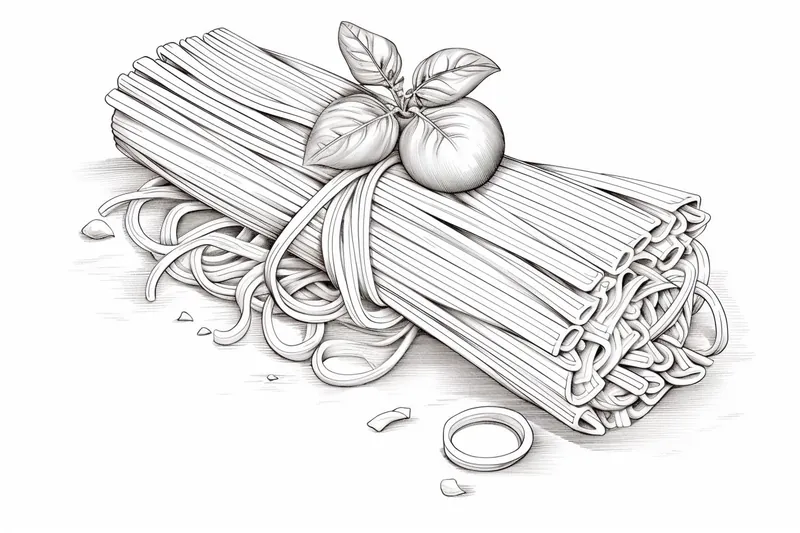
Materials You'll Need
- Pencil
- Paper
- Eraser
Pasta is more than just a beloved dish; it's a symbol of comfort, culture, and creativity. Whether it's the delicate strands of spaghetti or the intricate twists of fusilli, pasta offers a wonderful subject for artists looking to expand their repertoire. Learning how to draw a pasta not only allows you to capture the essence of a delicious meal but also challenges you to observe and recreate the textures, shapes, and shading that make this food so visually appealing. This tutorial will guide you through the nuanced process of illustrating a plate of pasta, helping you develop your skills in detail, proportion, and shading techniques.
Drawing food can be deceptively complex, and pasta is no exception. It requires a good understanding of how to depict organic forms and the subtle interplay of light and shadow on twisting noodles. This tutorial is ideal for artists with a basic to intermediate skill level who want to refine their observational drawing skills and experiment with texture rendering. By following the step-by-step instructions, you'll gain confidence in sketching smooth curves and layering shading to create depth and realism. Whether you're an aspiring illustrator, a food enthusiast, or simply looking for a fun drawing exercise, mastering how to draw a pasta will enhance your artistic abilities and add a delicious subject to your portfolio.
Tip: As you work through the drawing steps, consider using a variety of pencil pressures to create different textures and enhance the realism of your pasta illustration; lighter strokes can depict delicate surfaces, while firmer strokes can emphasize depth and shadow. Additionally, don't hesitate to step back and assess your work from a distance to ensure that the proportions and overall composition are visually appealing.
So, gather your pencils, paper, and eraser, and get ready to transform your love for pasta into a beautiful piece of art. Remember, drawing is a journey of practice and patience, so don't be discouraged by initial challenges. With each stroke, you're honing your craft and bringing a simple plate of pasta to life on your page. Let's dive in and make this tasty subject come alive with your creativity and skill!
Materials Required
To draw a pasta, you will need the following materials:
- A sketchpad or drawing paper
- Pencils in various shades (HB, 2B, 4B, etc.)
- Eraser
- Blending stump or tortillon (optional)
- Sharpened colored pencils (optional)
- Reference photo of different pasta shapes (optional)
Now that you have your materials ready, let's dive into the step-by-step instructions!
Step 1: Sketch the Outline
Start by lightly sketching the outline of the plate onto your drawing paper. You can draw a simple oval shape to represent the plate. Make sure to leave enough space on the page for the entire plate of pasta.
Step 2: Draw the Pasta Shapes
Using your reference photo as a guide, start drawing the different pasta shapes. You can draw spaghetti, penne, fusilli, or any other type of pasta you like. Experiment with different shapes and sizes to make your drawing more interesting. Remember to use light and quick pencil strokes at this stage.
Step 3: Add Details to the Pasta
To make your pasta look more realistic, add some details to each shape. Draw lines along the length of the spaghetti to show its texture. For penne, draw small lines across the pasta to represent the ridges. Be creative and have fun with this step!
Step 4: Shade the Pasta
Now it's time to add depth and dimension to your pasta. Use darker shades of pencil to shade the pasta shapes. Pay attention to the light source in your reference photo to create realistic shadows and highlights. Start with light shading and gradually build up the darkness. Use smooth, even strokes to achieve a realistic texture.
Step 5: Draw the Sauce
No pasta is complete without some delicious sauce! Draw a small puddle of sauce on top of the pasta shapes. You can use wavy lines to represent the liquid texture of the sauce. Add some shading to create depth and dimension.
Step 6: Add Cheese and Other Toppings
To make your pasta even more mouthwatering, add some grated cheese or other toppings. Draw small, irregular shapes on top of the pasta and sauce to represent the cheese. You can also add some basil leaves or other garnishes to make your drawing more interesting.
Step 7: Add Shadows and Highlights
To make your pasta drawing look more realistic, add shadows and highlights to the plate and pasta. Use darker shades of pencil to create shadows under the pasta shapes and plate. Use the eraser to lighten some areas and create highlights where the light hits the pasta and plate.
Step 8: Blend the Shading (Optional)
If you want a smoother and more blended look, you can use a blending stump or tortillon to blend the shading on your drawing. Gently rub the stump over the shaded areas to soften the pencil strokes and create a more realistic texture. Take your time and blend the shading gradually for a seamless result.
Step 9: Add Color (Optional)
If you prefer colored drawings, you can add color to your pasta drawing using colored pencils. Choose colors that match the pasta and sauce you have drawn. Use light pressure to layer the colors and build up the intensity gradually. Remember to blend the colors smoothly for a realistic look.
Conclusion
Congratulations, you have successfully drawn a delicious plate of pasta! Drawing pasta can be a fun and creative way to express your love for this tasty dish. With practice, you can experiment with different pasta shapes, sauces, and toppings to create your own unique pasta drawings. So grab your pencils and start drawing your favorite pasta dishes today!
Fun Facts About Pasta
- Pasta dates back over 1,000 years and was popularized in Italy during the Middle Ages.
- There are over 600 different shapes of pasta worldwide, each designed to hold sauces differently.
- Italy consumes the most pasta per capita, with the average Italian eating about 60 pounds annually.
- Durum wheat semolina is the primary ingredient in traditional pasta, prized for its high protein content and firm texture.
- World Pasta Day is celebrated every year on October 25th to honor the cultural and culinary importance of pasta.
- Fresh pasta cooks much faster than dried pasta because it contains more moisture.
- The longest pasta strand ever made measured over 3,776 meters, setting a Guinness World Record.
Suggestions for Scenes and Settings for Pasta Drawings
- A rustic Italian kitchen countertop with fresh pasta dough being rolled out and cut into shapes.
- A cozy family dinner table with a steaming bowl of spaghetti surrounded by hands passing bread and wine glasses.
- A vibrant outdoor Italian market stall displaying various dried pasta shapes in burlap sacks and baskets.
- A close-up of a fork twirling spaghetti with sauce dripping, capturing the texture and shine.
- A whimsical scene of anthropomorphic pasta shapes having a joyful gathering on a plate as if at a party.
- A chef tossing penne pasta in a pan with colorful vegetables and sauce flying mid-air.
- An elegant restaurant table setting featuring a plated fusilli dish garnished with basil and parmesan shavings.
- A cross-section view showing layers of lasagna with detailed textures of pasta sheets, sauce, and cheese.
- A creative abstract composition using various pasta shapes arranged in patterns or mandalas.
- A picnic scene in a sunny park with a pasta salad bowl alongside fresh fruits and a checkered tablecloth.