How to Draw a Neapolitan Mastiff
Learn how to draw a Neapolitan Mastiff with this step-by-step tutorial. Capture the unique features of this majestic breed with clear instructions and helpful tips.
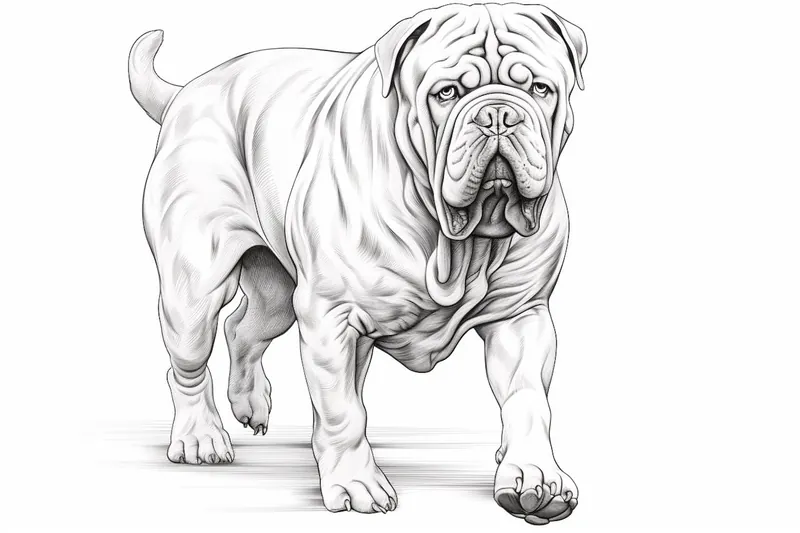
Materials You'll Need
- Pencil
- Paper
- Eraser
The Neapolitan Mastiff is a truly remarkable dog breed, instantly recognizable for its imposing size, deeply wrinkled skin, and soulful, expressive eyes. Originating from Italy, these dogs have a history as loyal guardians and companions, known for their calm demeanor and gentle nature despite their powerful build. Artists are often drawn to the Neapolitan Mastiff because its distinctive features—such as its loose, folded skin and massive, muscular frame—offer a wonderful challenge and an opportunity to practice capturing texture, form, and expression in a drawing.
Learning how to draw a Neapolitan Mastiff can be a rewarding experience for both beginners and seasoned artists alike. This breed's unique appearance provides an excellent subject for studying anatomy, shading, and the art of rendering fur and folds. Whether you want to improve your animal drawing skills, create a personal portrait of a beloved pet, or simply explore the fascinating world of dog breeds, mastering the techniques in this tutorial will help you bring your subject to life on the page. We'll walk you through each step, from basic shapes to detailed finishing touches, so you can confidently capture the Mastiff's regal presence.
No matter your current skill level, don't be afraid to take your time and enjoy the process. Drawing a Neapolitan Mastiff is not only a fantastic way to build your artistic abilities but also a chance to appreciate the beauty and character of this extraordinary dog. Gather your materials, follow along, and remember: with patience and practice, you'll soon see just how much progress you can make. Let's get started, and discover together how to draw a Neapolitan Mastiff that truly stands out!
Materials Required
Before we begin, let's gather the materials you will need for this drawing:
- Pencil (preferably a range of graphite pencils, such as HB, 2B, 4B, and 6B)
- Eraser (preferably a kneaded eraser for more control)
- Drawing paper (a high-quality, heavyweight paper is recommended)
- Reference photo of a Neapolitan Mastiff (you can use a printed photo or find one online)
- Blending tools (such as blending stumps or tortillons)
Now that we have our materials ready, let's move on to the step-by-step instructions.
Step 1: Outline the Basic Shapes
Tip: To enhance your drawing of a Neapolitan Mastiff, consider using varied line weights and shading techniques to convey the unique texture of its skin and the depth of its wrinkles. Instead of uniformly outlining every crease, observe how some wrinkles are more pronounced and cast deeper shadows while others are softer; this will help create a more lifelike representation. Additionally, practicing with different pencil pressures can add dynamism to your drawing, emphasizing the Mastiff's natural expressiveness and character.
Start by lightly sketching the basic shapes of the Neapolitan Mastiff. Use simple geometric shapes to outline the head, body, and limbs. Pay attention to the proportions and angles of the dog's features, but keep your lines loose and light at this stage.
Step 2: Refine the Head and Facial Features
Now, let's focus on the head and facial features of the Neapolitan Mastiff. Use your reference photo to guide you in capturing the unique characteristics of this breed. Pay attention to the shape of the skull, the position and size of the eyes, the wrinkles on the forehead, and the droopy jowls. Take your time to make sure the proportions and details are accurate.
Step 3: Define the Body and Musculature
Next, start adding the details of the body and musculature of the Neapolitan Mastiff. Study your reference photo to understand the dog's anatomy and underlying structure. Observe the placement of the shoulders, chest, and legs. Gradually add more definition to the body by adding shading and highlighting to indicate the muscles and curves.
Step 4: Add Texture and Wrinkles
One of the defining features of the Neapolitan Mastiff is its wrinkled skin. Use your pencil to carefully add texture and wrinkles to the dog's skin. Pay attention to the direction and depth of the wrinkles, as they will add realism and depth to your drawing. Take your time with this step, as it requires careful observation and patience.
Step 5: Refine the Details
Now that you have captured the overall form and texture of the Neapolitan Mastiff, it's time to refine the details. Use your reference photo to add in the finer details such as fur strands, whiskers, and any other distinguishing features of the dog. Take your time and work slowly, using light strokes to build up the details gradually.
Step 6: Add Shadows and Highlights
To bring your drawing to life, it's important to add shadows and highlights. Observe your reference photo to identify the areas of light and shadow on the Neapolitan Mastiff. Use your graphite pencils to carefully add shading to create depth and dimension. Consider the direction and intensity of the light source to ensure your shading is consistent and realistic.
Step 7: Blend and Refine
Once you are satisfied with the overall drawing, use your blending tools to blend the graphite and smooth out any harsh lines or transitions. This will help create a more polished and realistic look to your drawing. Take your time and blend gently, using small circular motions to achieve a smooth finish.
Mistake Alert: A common pitfall when drawing Neapolitan Mastiffs is making the wrinkles and folds of their skin too uniform or stiff, which can result in a mask-like appearance that loses the breed's natural expressiveness. This usually happens because beginners try to outline every wrinkle with the same pressure or pattern, rather than observing how the skin drapes differently over various parts of the dog's face and body. To avoid this, study reference photos closely—notice how some wrinkles are deeper and cast more shadow, while others are softer and blend gently into the fur. Use lighter, varied lines and adjust your shading to show depth and flexibility, giving the impression of loose, living skin instead of hard ridges. Remember, less can be more; sometimes a subtle suggestion of a fold is more effective than outlining every crease.
Conclusion
Congratulations on completing your drawing of a Neapolitan Mastiff! By following these step-by-step instructions, you have learned how to capture the unique characteristics of this majestic breed. Remember to practice regularly and be patient with yourself as you continue to develop your artistic skills. With dedication and practice, you will be able to create beautiful drawings of any subject. Enjoy the process and have fun exploring the world of art!
Fun Facts About Neapolitan Mastiff
- The Neapolitan Mastiff is famous for its massive size and deeply wrinkled skin, making it one of the most distinctive dog breeds in the world.
- This breed originated in southern Italy and was historically used as a guard dog to protect estates and families.
- Neapolitan Mastiffs can weigh up to 150 pounds or more, with some males reaching even higher weights.
- Despite their intimidating appearance, Neapolitan Mastiffs are known for their gentle and affectionate nature with their families.
- The breed's loose, hanging skin and heavy wrinkles help protect them during confrontations, a trait explained by DogTime.
- Neapolitan Mastiffs have a unique rolling gait due to their size and skin folds.
- They require early socialization and consistent training to ensure they grow into well-mannered adults.
- The breed's droopy jowls and lips mean they are notorious droolers.
Suggestions for Scenes and Settings for Neapolitan Mastiff Drawings
- A regal Neapolitan Mastiff lounging on antique Italian tiles in a classical villa courtyard, sunlight casting dramatic shadows over its folds.
- A playful puppy Mastiff awkwardly tumbling over its oversized paws in a lush garden full of blooming flowers.
- A close-up portrait focusing on the expressive, soulful eyes and the detailed wrinkles of the Mastiff's face, with a soft, blurred background.
- A powerful Mastiff standing guard at an old wrought-iron gate, evoking its historic role as a protector.
- A Mastiff gently interacting with a child, highlighting its calm and gentle nature despite its intimidating size.
- An action scene with the Mastiff running through a rain-soaked field, water droplets accentuating the texture of its skin and fur.
- A sleepy Mastiff sprawled across a cozy rug by a roaring fireplace, capturing the dog's relaxed, companionable side.
- A pair of Mastiffs sharing a quiet moment beneath a shady olive tree, their skin folds and body language showing their bond.
- A Mastiff's silhouette at sunset, emphasizing the breed's massive, muscular frame and noble posture.
- A whimsical scene of a Mastiff wearing a festive hat or costume during a family celebration, adding a touch of humor and personality.