How to Draw a Mouth
Learn how to draw a mouth in this step-by-step guide. From the basic outline to adding shading and texture, master the art of capturing the essence of a mouth in your drawings.
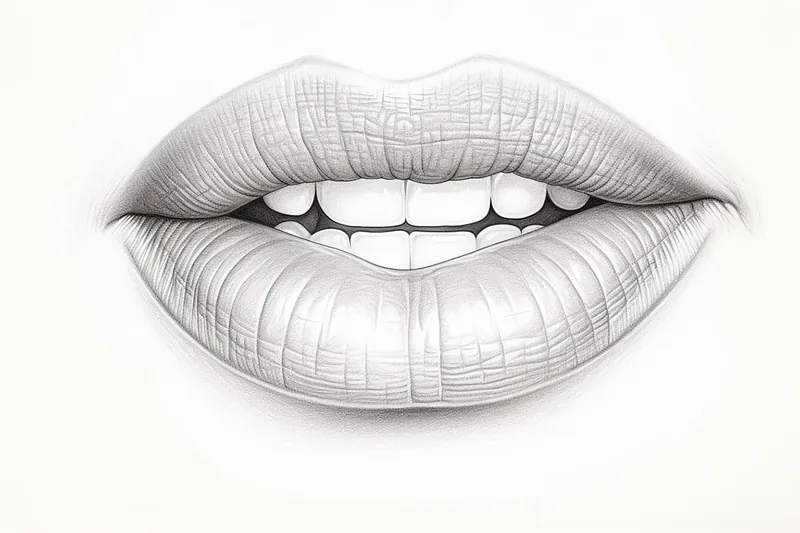
Materials You'll Need
- Pencil
- Paper
- Eraser
The mouth is one of the most expressive and defining features of the human face, capable of conveying a wide range of emotions—from joy and surprise to sadness and contemplation. Learning how to draw a mouth accurately is essential for any artist interested in portraiture or character design, as it can dramatically affect the overall mood and personality of your subject. The subtle curves, the play of light and shadow on the lips, and the way the mouth interacts with other facial features all contribute to a lifelike and engaging drawing.
Many artists, whether beginners or those with more experience, find mouths particularly challenging due to their complex shapes and the importance of capturing symmetry and proportion. Mastering how to draw a mouth will help you improve your overall understanding of facial anatomy and enhance the realism of your portraits. In this tutorial, you'll learn techniques such as sketching basic guidelines, shading to create volume, and adding details that make the mouth appear natural and expressive. No matter your current skill level, breaking down the process into manageable steps will make it accessible and enjoyable.
So, gather your drawing materials and get ready to build your confidence in drawing this important facial feature. Remember, every artist improves with practice, and with patience, you'll soon be able to capture the subtle beauty and expressiveness of the mouth. Let's dive in and discover how to draw a mouth that truly brings your portraits to life!
Materials Required
Before we dive into the step-by-step process, let's make sure we have all the necessary materials on hand:
- Sketchbook or drawing paper
- Pencils (preferably a range of graphite pencils, such as 2B, 4B, and 6B)
- Eraser
- Sharpeners
- Blending tools (tissue paper or blending stump)
Now that we have our materials ready, let's begin!
Step 1: Basic Outline
Start by lightly sketching a horizontal line across your paper. This line will act as the baseline for the mouth. Next, draw a vertical line that intersects the horizontal line near the center. This vertical line will serve as a guide for positioning the lips.
Step 2: Upper Lip
Tip: To enhance your mouth drawings, pay close attention to the subtleties of light and shadow, as they play a crucial role in creating depth and realism. Experiment with different pencil pressures when shading to achieve a variety of tones, and use blending tools to smooth transitions between light and shadow. Observing real-life references or photographs can also help you understand how light interacts with the contours of the lips, allowing you to replicate that natural effect in your artwork.
Begin drawing the upper lip by lightly sketching a curved line above the horizontal line. The shape of the upper lip can vary depending on the expression you want to convey. Pay attention to the curves and angles of the lips as you sketch. Use light, gentle strokes to create a subtle and realistic effect.
Step 3: Lower Lip
Now, let's move on to the lower lip. Start by drawing a slightly curved line below the horizontal line, mirroring the shape of the upper lip. The lower lip is typically fuller and slightly more rounded than the upper lip. Again, pay close attention to the subtle curves and angles as you sketch.
Step 4: Connecting the Lips
To connect the upper and lower lips, add a gentle curve that extends from one corner of the mouth to the other. This curve should follow the natural shape of the lips, creating a smooth transition between the two.
Step 5: Adding Detail
Now that we have the basic outline of the mouth, it's time to add some detail. Start by lightly sketching the line that defines the center of the lips. This line will separate the upper and lower lips, creating a more realistic appearance.
Step 6: Shading and Highlights
To create depth and dimension, we need to add shading to our mouth drawing. Begin by identifying the areas of shadow on the lips. Typically, the corners and the space between the lips will have darker shading. Use a softer pencil (such as 4B or 6B) to create these shadows, and gradually build up the darkness with layers of hatching or cross-hatching strokes.
Next, look for areas of highlights on the lips. These are the areas that catch the light and appear brighter. Use an eraser or tissue paper to carefully lift off some of the graphite and create the illusion of highlights. Be mindful of the direction of the light source to ensure consistency in your shading.
Step 7: Texture and Wrinkles
To make your mouth drawing appear more realistic, add some texture and wrinkles. Lips can have various textures, from smooth to slightly rough. Use subtle shading and hatching techniques to create this texture, paying attention to the direction of the strokes.
Additionally, be mindful of any wrinkles or folds around the mouth area. These lines can add character and depth to your drawing. Use light, delicate strokes to suggest the presence of these wrinkles without making them too prominent.
Mistake Alert: A frequent mistake when drawing mouths is outlining the lips with a harsh, dark line, which can make them appear flat and cartoonish rather than realistic. This often happens because artists want to define the shape clearly, but in reality, lips blend subtly into the surrounding skin, and the edges are rarely sharply defined except in areas of shadow or highlight. To avoid this, use gentle, broken lines for the lip borders and rely more on shading to suggest form and depth. Observe reference photos carefully—notice where the edges are soft versus where they're more defined, and let your pencil pressure and blending reflect these transitions for a more natural, lifelike result.
Conclusion
Congratulations! You've successfully learned how to draw a mouth. It's important to remember that practice is key when it comes to improving your drawing skills. With time and patience, you'll be able to capture the intricacies of the mouth in your artwork.
We hope you found this step-by-step guide helpful and informative. Whether you're sketching a portrait, a character, or simply exploring your artistic abilities, understanding how to draw a mouth is a valuable skill. So grab your materials, start practicing, and enjoy the creative process!
Fun Facts About Mouth
- The human mouth contains about 700 species of bacteria, many of which are essential for oral health.
- The strongest muscle in the human body based on its size is the masseter, which is used for chewing.
- Saliva produced in the mouth helps begin the process of digestion and humans make up to 1.5 liters of it each day.
- The mouth is the only part of the body where all five basic tastes—sweet, sour, salty, bitter, and umami—can be detected.
- Lips are one of the most sensitive parts of the human body, with more than a million nerve endings.
- The color of your lips is determined by the blood vessels just beneath the thin skin of the mouth.
- Humans are the only animals with chins, a unique feature located just below the mouth.
- The average person smiles about 20 times per day, using dozens of muscles around the mouth.
- The roof of the mouth is called the palate and is divided into two parts: the hard palate and the soft palate.
Suggestions for Scenes and Settings for Mouth Drawings
- Draw a mouth mid-laughter, capturing the energy and movement of joy.
- Illustrate a close-up of whispering lips, with a finger held gently to them.
- Create a mouth biting playfully into a juicy fruit, focusing on texture and shine.
- Render a mouth in deep thought, lips pressed together with subtle wrinkles of concentration.
- Sketch a mouth singing, showing parted lips and the tension in the muscles around the mouth.
- Draw a series of mouths expressing different emotions: surprise, anger, sadness, and delight.
- Depict a mouth blowing a bubble with gum, emphasizing the stretch and roundness of both lips and bubble.
- Illustrate a mouth softly lit by candlelight, capturing gentle highlights and shadows.
- Draw two mouths almost touching, as in a moment before a kiss, focusing on anticipation and tension.
- Sketch an elderly mouth with pronounced wrinkles and character, showing the passage of time.