How to Draw a Mastiff
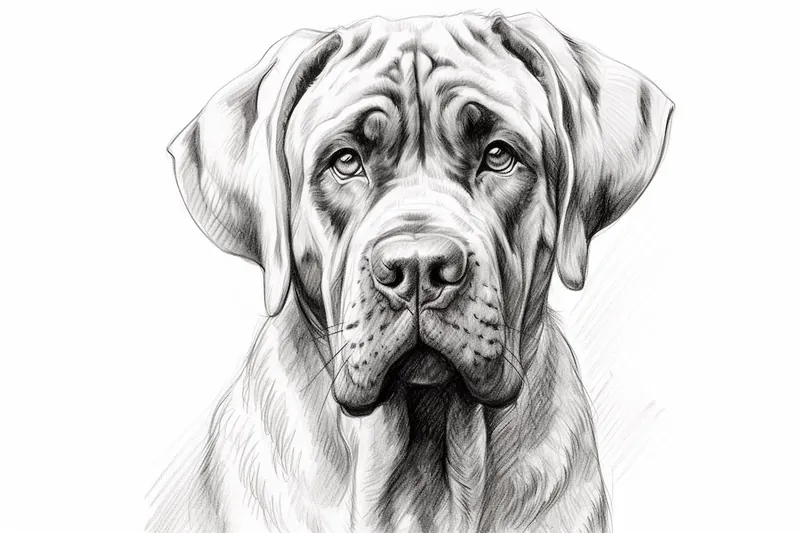
Learn how to draw a Mastiff with this step-by-step tutorial. Create a realistic depiction of this majestic breed using simple guidelines and shading techniques.
Materials You'll Need
- Pencil
- Paper
- Eraser
The Mastiff, with its impressive size and gentle demeanor, is one of the oldest and most beloved dog breeds in the world. Known for their loyal nature and protective instincts, Mastiffs have a distinctive appearance—broad heads, soulful eyes, and powerful yet graceful bodies—that makes them a favorite subject for artists and dog lovers alike. Capturing the unique stature and expressive face of a Mastiff can be both a fun and rewarding artistic challenge, allowing you to explore the balance between strength and softness in your drawing.
Learning how to draw a mastiff is a wonderful way to improve your skills in animal anatomy, shading, and texture. Whether you're a beginner hoping to develop your confidence with drawing animals or an experienced artist looking to refine your technique, this subject offers plenty of opportunities to practice observing proportion, layering fur, and expressing character through subtle details. Mastiffs' large, muscular bodies and gentle expressions require careful attention to form and detail, making this tutorial an excellent exercise in capturing both physical structure and personality.
Don't worry if you're new to drawing dogs—this step-by-step guide will break down each stage, from basic shapes to finishing touches, so you can follow along at your own pace. By the end, you'll have a lifelike Mastiff portrait you can be proud of. Gather your materials, get comfortable, and let's embark on this creative journey together. Remember, every artist starts somewhere, and each drawing brings you one step closer to mastering your craft!
Materials Required
To begin your journey in drawing a Mastiff, gather the following materials:
- Pencil: Start with a medium-hard graphite pencil (H or HB) for initial sketching.
- Paper: Use a high-quality drawing paper that can handle shading and erasing.
- Eraser: Have a kneaded eraser handy for lightening pencil lines and correcting mistakes.
- Pencil Sharpener: Keep your pencil sharp for precise lines and details.
- Reference Image: Find a clear reference photo of a Mastiff to use as a guide.
Now that you have all the necessary materials, let's dive into the step-by-step process of drawing a Mastiff.
Step 1: Basic Guidelines
Start by lightly sketching the basic shapes and proportions of the Mastiff. Use simple shapes like circles and ovals to form the head, body, and limbs. Focus on capturing the overall pose and stance of the Mastiff.
Step 2: Head and Facial Features
Refine the shape of the head, paying attention to the unique features of a Mastiff. Draw the distinctive droopy jowls, wrinkled forehead, and a strong, square-shaped muzzle. Add the eyes, nose, and mouth with accurate proportions, referring to your reference image.
Step 3: Ears and Neck
Sketch the large, hanging ears of the Mastiff on either side of the head. Pay attention to the shape and placement of the ears to maintain accuracy. Then, continue the lines to form the neck, indicating the strong muscles and folds.
Step 4: Body and Shoulders
Extend the guidelines to shape the body of the Mastiff. Define the broad chest, barrel-like torso, and the muscular shoulders. Pay attention to the natural curves and proportions of the breed, keeping your reference image as a guide.
Step 5: Legs and Paws
Draw the front and hind legs of the Mastiff, focusing on the bone structure and muscles. Capture the size and strength of the legs accurately, as they are essential characteristics of this breed. Add the paws, paying attention to the large, rounded shape of each paw pad.
Step 6: Tail and Back
Tip: When drawing a Mastiff, take the time to study its unique features by closely observing your reference image, especially focusing on the proportion and shape of the head and muzzle, which can often be misrepresented. To enhance accuracy, consider using a grid method or light measurements to ensure that the broadness of the head aligns with the body, capturing the breed's characteristic strength and gentle expression more effectively.
Sketch the thick and tapering tail of the Mastiff, emphasizing its natural curve and texture. Define the back, highlighting the strong muscles and the slight arch in the breed's posture.
Step 7: Shading and Detailing
Once you have the basic structure of the Mastiff in place, it's time to add depth and detail through shading. Start by observing the reference image for areas of light and shadow. Use your pencil to create gradual tonal values, applying more pressure for darker areas and less for lighter areas. Pay close attention to the wrinkles, folds, and textures of the breed to capture its unique characteristics.
Step 8: Refine and Finalize
Take a step back and evaluate your drawing. Make any necessary adjustments to enhance the overall proportions, shapes, and details. Use your eraser to lighten any unnecessary guidelines or mistakes. Add any additional details or highlights to bring your drawing to life.
Mistake Alert: A common mistake when drawing Mastiffs is making their heads too small or their muzzles too narrow, which can rob your portrait of that signature Mastiff presence. This often happens because artists rely on generic dog proportions or underestimate just how broad and blocky the Mastiff's skull and jaw actually are. To avoid this, take extra time in your initial sketch to measure the head's width in relation to the body—Mastiffs typically have massive heads that are nearly as wide as their chests! Refer closely to your reference photo, and don't be afraid to exaggerate the head size slightly in your outline; it's easier to adjust proportions early on than to fix them later. Emphasizing the strong, square muzzle and wide-set eyes will instantly capture more of that gentle giant look.
Conclusion
Congratulations! You have successfully learned how to draw a Mastiff. By following these step-by-step instructions, you've created a realistic portrayal of this majestic breed. Remember, practice is key to improving your skills, so keep drawing and experimenting with different techniques. We hope you enjoyed this tutorial and feel inspired to continue exploring the world of art.
Fun Facts About Mastiff
- The Mastiff is one of the oldest dog breeds, with origins dating back over 5,000 years.
- Mastiffs are known for their massive size, with some males weighing over 200 pounds.
- This breed is famous for its gentle and protective temperament, making them excellent family companions.
- Mastiffs have been depicted in art and literature for centuries, including in ancient Roman mosaics.
- The breed's signature wrinkled face and droopy jowls help protect them during confrontations.
- Mastiffs were originally bred as guard dogs and war dogs, even accompanying soldiers into battle.
- The world record for the heaviest dog is held by a Mastiff named Zorba, who weighed 343 pounds.
- Mastiffs are known for their deep, booming bark, which serves as a strong deterrent to intruders.
Suggestions for Scenes and Settings for Mastiff Drawings
- A regal Mastiff sitting majestically atop a grassy hill at sunrise, with soft golden light illuminating its fur.
- A playful Mastiff puppy trying to catch falling autumn leaves in a park, its big paws clumsily reaching up.
- A gentle Mastiff lying beside a young child reading a book, capturing the breed's protective and nurturing side.
- An alert Mastiff standing in front of a rustic farmhouse, guarding its home with a calm, watchful expression.
- A Mastiff wading through a shallow pond, water gently rippling around its sturdy legs and reflecting the sky above.
- A close-up portrait of a Mastiff's face, focusing on the soulful eyes and textured wrinkles for a study in emotion and detail.
- A group of Mastiffs relaxing together in a sunlit garden, displaying their size and gentle social nature.
- A Mastiff enjoying a snowy day, its breath visible in the crisp air and snowflakes clinging to its fur.
- An elderly Mastiff resting on a cozy rug in front of a fireplace, embodying wisdom and tranquility.
- A heroic Mastiff depicted in historical armor, referencing the breed's ancient roots as guardians and protectors.