How to Draw a Lhasa Apso
Learn how to draw a Lhasa Apso step by step with this expert guide. Capture the unique charm of this beautiful breed with clear and concise instructions.
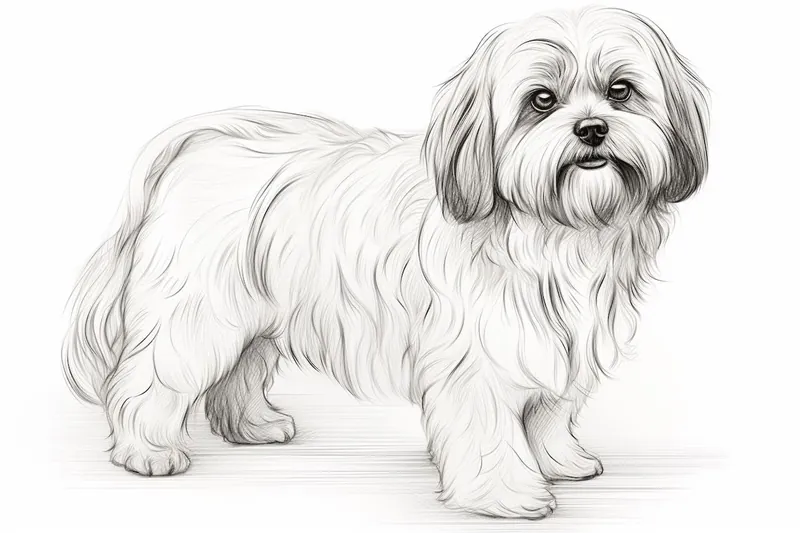
Materials You'll Need
- Pencil
- Paper
- Eraser
The Lhasa Apso is a small yet regal dog breed, known for its long, flowing coat, expressive face, and lively personality. Originating from Tibet, these dogs were prized as sentinel companions in palaces and monasteries, and their distinct appearance makes them a favorite among dog enthusiasts and artists alike. Learning how to draw a Lhasa Apso allows you to appreciate and capture the breed's unique features—such as its abundant fur, soulful eyes, and characteristic beard—right on your sketchpad. Whether you're a passionate dog lover, an aspiring pet portrait artist, or simply someone looking to expand your drawing repertoire, this subject offers both charm and artistic challenge.
In this tutorial on how to draw a Lhasa Apso, you will be guided through each step, from laying down the basic shapes to refining the intricate details of the fur and facial expressions. This lesson is suitable for artists of all skill levels, whether you're a beginner seeking to practice proportion and texture, or an intermediate artist aiming to refine your animal drawing techniques. You'll learn tips for capturing the flowing coat, creating a lifelike gaze, and adding subtle shading for depth. Don't be intimidated by the Lhasa Apso's luxurious fur—breaking it down into simple shapes and strokes makes the process approachable and enjoyable. Grab your sketchbook, gather your pencils, and let's celebrate this wonderful breed together. Remember, every drawing improves with practice, so enjoy the journey and don't be afraid to make mistakes along the way!
Materials Required
Before we dive into the drawing process, let's make sure we have all the necessary materials on hand. Here's what you'll need:
- Drawing paper: Choose a smooth, heavyweight paper that is suitable for drawing with pencils.
- Pencils: Get a range of graphite pencils, including H, HB, and B. These different grades of pencils will give you varying shades and textures.
- Eraser: Opt for a soft eraser to correct any mistakes or lighten your pencil marks when necessary.
- Pencil Sharpener: Keep your pencils sharp for precise lines and details.
- Reference Image: Find a clear and high-resolution photo of a Lhasa Apso to use as a reference. This will help you observe the breed's unique features and proportions accurately.
Now that we have everything we need let's move on to the actual drawing process.
Step 1: Sketch a Basic Framework
Begin by lightly sketching a basic framework for your Lhasa Apso. Start with a simple oval shape for the head and add a rounded shape below it for the body. Connect these two shapes with a neck line. Remember, this is just a rough outline, so use light, loose lines to keep it flexible and easy to adjust as you progress.
Step 2: Refine the Head and Facial Features
Tip: To enhance your drawing of a Lhasa Apso, consider practicing with quick sketches that focus solely on different sections of the dog, such as the fur texture, facial features, or body posture. This approach will allow you to experiment with various techniques and gain confidence in depicting the breed's unique characteristics without the pressure of completing a full drawing at once. Remember, each small study contributes to your overall skill and understanding of the subject!
Within the oval shape of the head, sketch two intersecting lines to establish the placement of the eyes, nose, and mouth. Lhasa Apsos have a distinctive snout, so pay attention to its length and shape. Add small ovals for the eyes and a triangular shape for the nose. Don't worry about details just yet, focus on getting the proportions right.
Step 3: Define the Body and Legs
Next, refine the body by adding more curves and contours. Give your Lhasa Apso a fluffy appearance by adding volume to the chest and belly areas. Sketch the outline of the legs, ensuring that they are in proportion to the body. Take your time to observe the reference image and capture the breed's distinct stance and posture.
Step 4: Add Details to the Face
Now it's time to add details to the face of your Lhasa Apso. Begin by refining the shape of the eyes, paying attention to the size and placement. Add the ears on either side of the head, noting their characteristic feathering. Sketch the mouth, tongue, and any other facial features you observe in your reference image. Remember to use light strokes and adjust as needed to achieve the desired expression.
Step 5: Outline the Fur and Body Contours
With the basic features in place, start outlining the fur and body contours of your Lhasa Apso. These dogs have long, flowing fur, so use curved lines to depict its texture and volume. Pay attention to the direction of the fur growth, especially around the ears, neck, and tail. Be patient and take your time to capture the unique beauty of the breed's coat.
Step 6: Refine the Details
Now it's time to refine the details of your drawing. Use darker pencils, such as the B grade, to define the lines and features more precisely. Darken the eyes and add pupils for a realistic look. Define the nose and mouth by adding shading and texture. Gradually add more depth and dimension to the fur by carefully observing the reference image and adding shading and highlights where needed.
Step 7: Finalize the Drawing
In this final step, review your drawing and make any necessary corrections or adjustments. Take a step back and look at the overall composition to ensure everything is in proportion and accurately represents a Lhasa Apso. Make sure the fur looks natural and flows smoothly. Don't be afraid to erase any unwanted lines or smudges to achieve a polished finish.
Congratulations! You have successfully drawn a Lhasa Apso. With practice, you'll continue to improve your skills in capturing the unique features and personality of various dog breeds.
Mistake Alert: A common mistake when drawing a Lhasa Apso is treating the long, flowing fur as a single, uniform mass rather than breaking it up into distinct clumps and layers. This often happens because beginners try to save time or feel overwhelmed by the amount of detail, which can result in a flat, unrealistic look that hides the dog's true form and character. To avoid this, observe reference photos closely and sketch the fur in overlapping sections, following the natural direction of hair growth—especially around the face, ears, and legs. Use a mix of longer, sweeping pencil strokes for the main coat and shorter, varied lines for the beard and fringes. Remember, allowing some of the underlying structure to show through the fur adds realism and helps the Lhasa Apso's delightful features shine!
Conclusion
In this tutorial, we've explored the step-by-step process of drawing a Lhasa Apso. By following these instructions and using the right materials, you can create a lifelike representation of this beautiful breed. Remember to be patient, observe your reference image carefully, and have fun with your drawing. With practice, your skills as an artist will continue to grow.
So grab your sketchbook, pencils, and reference image, and take the first steps towards creating a stunning drawing of a Lhasa Apso. Happy drawing!
Fun Facts About Lhasa Apso
- The Lhasa Apso originated in Tibet and was bred as a sentinel dog for Buddhist monasteries.
- This breed is known for its long, luxurious coat, which requires regular grooming.
- Lhasa Apsos can live up to 20 years, making them one of the longest-living dog breeds.
- Despite their small size, Lhasa Apsos are known for their bold and independent personalities.
- The breed's name comes from Lhasa, the capital of Tibet, and "apso," meaning "bearded" in Tibetan.
- Lhasa Apsos were considered sacred and believed to bring good luck in Tibetan culture.
- They have a keen sense of hearing and were used to alert monks to intruders.
- Lhasa Apsos are hypoallergenic, making them a good choice for people with allergies.
- They were first introduced to the United States in the 1930s as gifts from the 13th Dalai Lama.
Suggestions for Scenes and Settings for Lhasa Apso Drawings
- A Lhasa Apso perched regally on a palace step, with intricate Tibetan architecture in the background.
- A playful Lhasa Apso frolicking in a snowy Himalayan landscape, its fur dusted with snowflakes.
- A cozy portrait of a Lhasa Apso lounging on a plush cushion inside a monastery, surrounded by ornate patterns and candles.
- A Lhasa Apso gazing out a window, watching prayer flags flutter in the mountain breeze.
- A group of Lhasa Apsos acting as sentinel guardians at a monastery entrance, alert and dignified.
- A whimsical scene of a Lhasa Apso wearing a traditional Tibetan scarf (khata), sitting among blooming lotus flowers.
- A close-up study of a Lhasa Apso's expressive face, focusing on its soulful eyes and flowing beard.
- A Lhasa Apso interacting gently with a monk or child, conveying their affectionate companionship.
- A dynamic action shot of a Lhasa Apso running through a garden, its long coat billowing in the wind.
- A dreamy nighttime scene of a Lhasa Apso resting beneath a starlit Himalayan sky.