How to Draw a Kitsune
Learn how to draw a kitsune, a mythical creature from Japanese folklore. Discover the techniques to create this fascinating creature.
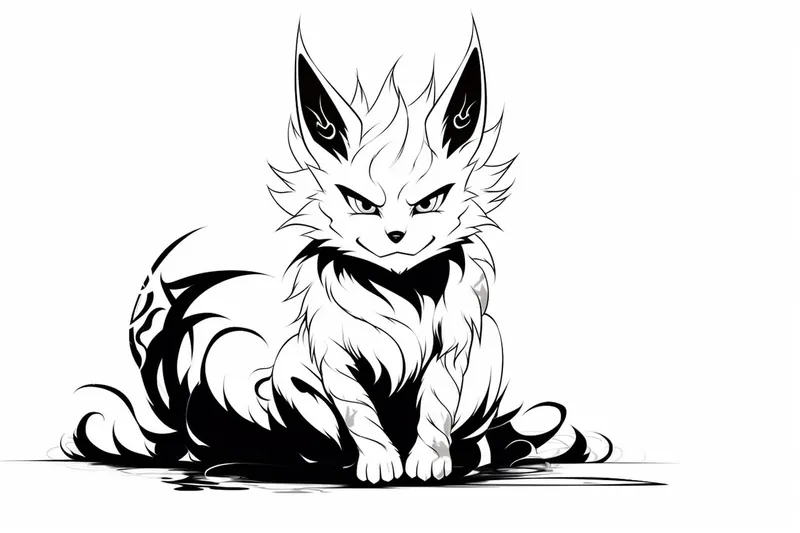
Materials You'll Need
- Pencil
- Paper
- Eraser
The kitsune, a legendary fox spirit from Japanese folklore, has captured imaginations for centuries with its mystical powers and enchanting beauty. Known for their intelligence, magical abilities, and shape-shifting forms, kitsune are often depicted with multiple tails, each representing increased power and wisdom. These mythical creatures appear in countless stories and artworks throughout Japanese culture, symbolizing both mischief and protection. Their elegant features—slender bodies, bushy tails, and expressive eyes—make them an alluring subject for artists seeking to blend fantasy with tradition.
Learning how to draw a kitsune is an exciting opportunity to explore both your creativity and your appreciation for world mythology. Artists are often drawn to the kitsune because of its versatile nature: you can depict it as a realistic fox, a mystical spirit, or even a human-animal hybrid. Whether you're a fan of folklore, anime, or fantasy art, mastering the kitsune allows you to experiment with dramatic poses, flowing fur, and magical elements like glowing tails or ethereal auras. This subject also offers a chance to practice expressive character design and storytelling through visual art.
This tutorial is suitable for artists of all levels, from beginners to those with more experience. We'll break down the process into easy-to-follow steps, covering essential techniques such as sketching basic shapes, refining anatomy, adding dynamic movement, and incorporating details that capture the spirit of a kitsune. Along the way, you'll gain insights into shading, texture, and creative embellishments that make your drawing unique. Don't worry if you haven't drawn mythical creatures before—this guide is designed to help you build confidence and develop your skills at your own pace.
As you embark on this artistic adventure, remember that every drawing is a chance to express your imagination and grow as an artist. Let yourself be inspired by the mystique of the kitsune and enjoy the process of bringing this legendary creature to life on paper. Gather your materials, clear some creative space, and get ready to discover how to draw a kitsune with personality and flair. With patience and practice, you'll soon have a captivating kitsune artwork to call your own!
Materials Required
Before we begin, ensure you have the following materials ready:
- Drawing paper or sketchbook
- Pencils (HB, 2B, 4B)
- Eraser
- Fine-tip markers or pens
- Colored pencils or watercolors (optional)
Now that we have everything we need, let's get started!
Step 1: Basic Shape
Tip: As you draw your kitsune, consider using reference images of real foxes to understand their anatomy and fur texture better, which will help make your artwork more realistic and expressive. Additionally, don't hesitate to experiment with different poses and tail configurations, as the kitsune's multiple tails can convey varying degrees of power and character, enhancing the storytelling aspect of your drawing.
Begin by drawing a large oval for the kitsune's head. This will serve as the foundation for the rest of the drawing. Keep your lines light and loose, as this is just the initial sketch.
Step 2: Ears
On the top left and right sides of the oval, draw two pointy ears. Kitsune are often depicted with elegant triangular ears, so make sure to capture their shape accurately.
Step 3: Facial Features
Using light guidelines, draw two large eyes in the center of the head. Kitsune are known for their captivating eyes, so take your time to get them just right. Beneath the eyes, add a small triangular nose, and slightly above the eyes, draw a curved line to represent the brow.
Step 4: Mouth and Whiskers
Place a horizontal line across the face, slightly below the nose, to indicate the mouth. Remember that the mouth on a kitsune is often seen smiling or with a mischievous expression. To enhance the character of the kitsune, draw long, flowing whiskers on each side of the face.
Step 5: Fur Detailing
Start adding fur detailing to the head and ears. Kitsune are usually depicted with lush fur, so use small, curved strokes to create a sense of texture and depth. Take your time with this step, as it is important to make the fur look realistic and expressive.
Step 6: Neck and Body
Extend two lines down from the sides of the head to form the neck. Then, from the lower part of the neck, draw an elongated oval shape for the body. This will give your kitsune a graceful and elegant posture.
Step 7: Legs and Tail
Using curved lines, sketch out the front and hind legs of the kitsune. Pay attention to the proportions and positioning to maintain a balanced and harmonious composition. Finally, draw a long, fluffy tail extending from the back of the body. Kitsune are often portrayed with multiple tails, so feel free to add more if you desire.
Step 8: Detailing the Body
Refine the body's shape by adding curves and contours that follow the natural flow of the kitsune's form. Pay attention to the muscle structure and how it impacts the overall body shape. Add fur detailing to the body and tail, using the same techniques we used in Step 5.
Step 9: Finalizing the Face
Now it's time to add the final touches to the kitsune's face. Darken the eyes to make them stand out and add depth. You can also add eyelashes to enhance the expressive nature of the eyes. Fine-tune the shape of the nose and mouth, ensuring they align with the overall character of the kitsune.
Step 10: Adding Details
To bring your kitsune to life, add small details such as fur strands, highlights, and shadows. Use a combination of light and dark lines to create depth and dimension throughout the body. Take your time with this step, as the details will truly enhance the final artwork.
Did You Know?: In Japanese folklore, a kitsune's number of tails is a direct symbol of its age, wisdom, and magical power—kitsune can grow up to nine tails, with each new tail marking a significant leap in their supernatural abilities. According to legend, once a kitsune reaches its ninth tail, its fur becomes white or gold, and it gains the power to see and hear anything happening anywhere in the world. This fascinating detail gives you creative freedom when deciding how many tails your kitsune should have, and what magical elements to include in your drawing. As you design your kitsune, consider how the number of tails and their appearance can tell a visual story about the spirit's personality, power, or the stage of its mystical journey.
Conclusion
Congratulations! You have successfully learned how to draw a kitsune. By following this step-by-step guide, you have created a captivating artwork that captures the charm and allure of this mythical creature. Remember, drawing is all about practice, so don't hesitate to experiment and refine your technique. Enjoy your artistic journey, and may your future artworks continue to inspire.
Fun Facts About Kitsune
- Kitsune are legendary fox spirits in Japanese folklore known for their intelligence and magical abilities.
- They are famous for their ability to shape-shift into human form.
- Kitsune are often depicted with multiple tails—up to nine—with each additional tail symbolizing greater power.
- In Shinto belief, kitsune serve as messengers for the rice deity Inari.
- Some stories portray kitsune as mischievous tricksters, while others see them as loyal guardians.
- Kitsune can generate fire or lightning, a magical ability called kitsunebi.
- They are a popular subject in Japanese art and literature, with their stories dating back to the 8th century.
- Some legends claim that a kitsune's true form can be revealed by its reflection or by seeing its tail.
Suggestions for Scenes and Settings for Kitsune Drawings
- A kitsune perched on a mossy rock beneath a full moon, surrounded by glowing fireflies in a misty forest.
- Kitsune in human-animal hybrid form, elegantly dressed in traditional Japanese garments, performing a mystical dance at a shrine festival.
- A mischievous kitsune shape-shifting in a bustling Edo-period village, blending in with the townsfolk.
- Multiple-tailed kitsune emerging from sacred torii gates, tails shimmering with magical energy.
- A serene kitsune meditating beside a tranquil pond, its reflection showing its true fox spirit form.
- Kitsune engaged in playful antics with woodland creatures among falling cherry blossoms.
- A guardian kitsune standing protectively at the entrance of an ancient temple, eyes glowing with wisdom.
- Kitsune conjuring ethereal flames or spirit orbs in the palms of their paws, illuminating a dark bamboo grove.
- A celestial kitsune leaping across the night sky, leaving a trail of stardust with its flowing tails.
- An elder kitsune teaching a younger fox spirit the secrets of shape-shifting beneath a canopy of autumn leaves.