How to Draw a Gymnast
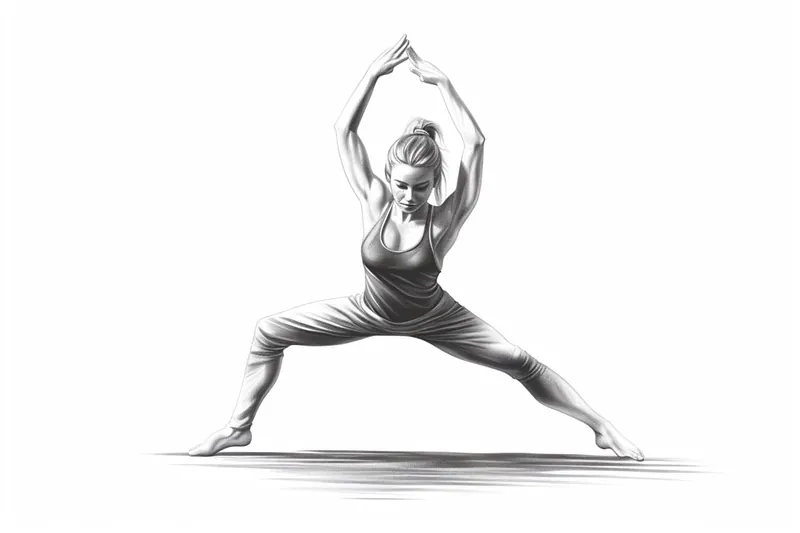
Learn how to draw a gymnast step-by-step with this helpful guide. Capture the grace and athleticism of a gymnast on paper using simple techniques and a reference photo.
Materials You'll Need
- Pencil
- Paper
- Eraser
Welcome to this comprehensive tutorial on how to draw a gymnast! Gymnastics is a beautiful sport that combines strength, flexibility, and grace, making it a fascinating subject for artists to capture. Drawing a gymnast allows you to explore dynamic human poses, study anatomy, and practice rendering movement and balance. Whether you admire the elegance of a gymnast mid-leap or the tension of a handstand, learning how to depict these moments can add energy and life to your artwork.
This guide is designed for artists of all skill levels—from beginners eager to develop their figure drawing skills to more experienced artists looking to refine their technique in portraying action and form. We will break down the process step-by-step, covering essential techniques such as sketching basic body proportions, capturing fluid motion, and adding details that highlight the gymnast's athleticism and poise. By understanding muscle structure and balance, you'll be able to create a drawing that feels both realistic and expressive.
So, gather your pencils, erasers, and reference images, and get ready to bring a gymnast to life on paper. With patience and practice, this tutorial will help you build confidence in drawing the human figure in motion. Let's dive into how to draw a gymnast and create a dynamic piece that celebrates the art of athletic movement!
Step 1: Sketch the Basic Body Shape
Start by lightly sketching the basic body shape of the gymnast. Use simple geometric shapes like circles and ovals to map out the head, torso, arms, and legs. Pay attention to the proportions and angles to ensure accuracy in your drawing. Remember, this initial sketch is just a guideline, so keep it light and flexible.
Step 2: Define the Limbs and Joints
Once you have the basic body shape, start adding more definition to the limbs and joints. Observe the reference photo to understand the positioning of the arms and legs. Use simple lines to outline the major bones and joints, such as the elbows, wrists, knees, and ankles. This step helps establish a solid structure for the gymnast's body.
Step 3: Add Muscles and Details
Next, focus on adding muscles and details to the gymnast's body. Pay attention to the areas where muscles are prominent, such as the arms, legs, and core. Use curved lines to suggest the contours of the muscles, emphasizing the strength and flexibility of the gymnast. Don't worry about capturing every single muscle; instead, focus on the main ones that contribute to the overall pose.
Step 4: Refine the Face and Features
Now, it's time to refine the face and features of the gymnast. Pay close attention to the reference photo to capture the individual characteristics of the gymnast. Use light, delicate strokes to draw the eyes, nose, and mouth. Pay attention to the shape and proportions of the face while maintaining a sense of movement and expression.
Step 5: Add Hair and Accessories
If the gymnast in your reference photo has hair or accessories, now is the time to add them. Use flowing lines to suggest the movement of the hair, whether it's tied back or flowing freely. If the gymnast is wearing any accessories, such as a headband or wristbands, sketch them lightly and add details as necessary.
Step 6: Refine the Outlines
Now that you have the main elements of the gymnast drawn, it's time to refine the outlines. Go over your initial sketch and darken the lines that you want to keep. Be selective and choose the lines that define the shape and form of the gymnast. Pay attention to areas where the lines overlap or intersect, adjusting them to create a clean and cohesive drawing.
Step 7: Add Shading and Depth
To give your drawing depth and dimension, add shading to create the illusion of light and shadow. Observe the reference photo to identify the areas of light and shadow on the gymnast's body. Use your pencil to create smooth gradations, starting with light pressure and gradually increasing it to create darker values. Pay attention to the direction of the light source to ensure consistency in your shading.
Step 8: Refine the Details
At this stage, you can focus on refining the smaller details of the gymnast, such as the texture of the fabric, the definition of the muscles, and any additional elements like the platform or apparatus the gymnast is using. Take your time and add these details with care, using a combination of light and dark lines to create depth and texture.
Step 9: Finalize Your Drawing
Tip: To enhance your drawing of a gymnast, consider using dynamic poses that emphasize movement and energy, as this will capture the essence of gymnastics. Experiment with angles and perspectives—such as drawing from below or above—to create a sense of action and depth. Observing real gymnasts or reference videos can provide insights into how their bodies move, which will help you portray the fluidity and grace of their movements more effectively.
Once you are satisfied with the overall drawing, take a step back and evaluate it. Make any necessary adjustments and additions to ensure a well-balanced and dynamic composition. Erase any remaining guidelines or unnecessary lines, and clean up any smudges or stray marks. Your drawing of a gymnast is now complete!
Drawing a gymnast can be a challenging yet rewarding experience. By following these step-by-step instructions and using a reference photo, you can capture the grace and strength of a gymnast on paper. Remember to start with a basic sketch, gradually add layers of detail, and use shading to create depth and dimension. With practice and patience, you can create a stunning drawing of a gymnast that showcases their incredible abilities.
So grab your pencil and paper, and let's start drawing a gymnast today!
Fun Facts About Gymnast
- Gymnastics has been part of the modern Olympic Games since their inception in 1896.
- Female gymnasts often peak at a younger age than athletes in many other sports, sometimes as young as 15 or 16 years old, due to the sport's demands on flexibility and agility.
- The most difficult gymnastics move ever performed is the "Yurchenko double pike," first landed by Simone Biles in 2021.
- Gymnastics helps develop strength, coordination, balance, and flexibility, making it a foundational sport for many other athletic disciplines (Verywell Fit).
- The word "gymnastics" comes from the Greek word "gymnazein," which means "to exercise naked," reflecting the ancient Greek practice.
- Artistic gymnastics is divided into men's and women's events, with men competing on six apparatuses and women on four.
- Gymnasts often start training as young as 3 or 4 years old to develop the necessary skills and muscle memory (USA Gymnastics).
- Balance and spatial awareness are critical skills for gymnasts, enabling them to perform complex aerial maneuvers safely.
Suggestions for Scenes and Settings for Gymnast Drawings
- A gymnast performing a graceful floor routine mid-leap with flowing ribbons swirling around.
- A gymnast executing a perfect handstand on the balance beam, showcasing balance and strength.
- A close-up of a gymnast's muscular arm gripping the uneven bars, highlighting tension and detail.
- A group of gymnasts warming up together in a bright, spacious gym filled with equipment.
- A dynamic vault scene capturing the moment a gymnast launches off the springboard into the air.
- A gymnast stretching and practicing flexibility on a mat near a large window with natural light.
- An artistic silhouette of a gymnast in mid-twist against a colorful sunset background.
- A young gymnast tying her hair back and putting on wristbands before practice.
- A dramatic scene of a gymnast landing a difficult dismount with dust and chalk particles in the air.
- A whimsical drawing of a gymnast balancing on one foot atop a stack of gym mats, blending fantasy with athleticism.