How to Draw a Grandma
Learn how to draw a realistic grandma step by step in this helpful tutorial. Capture the essence of a beloved grandmother figure in your artwork.
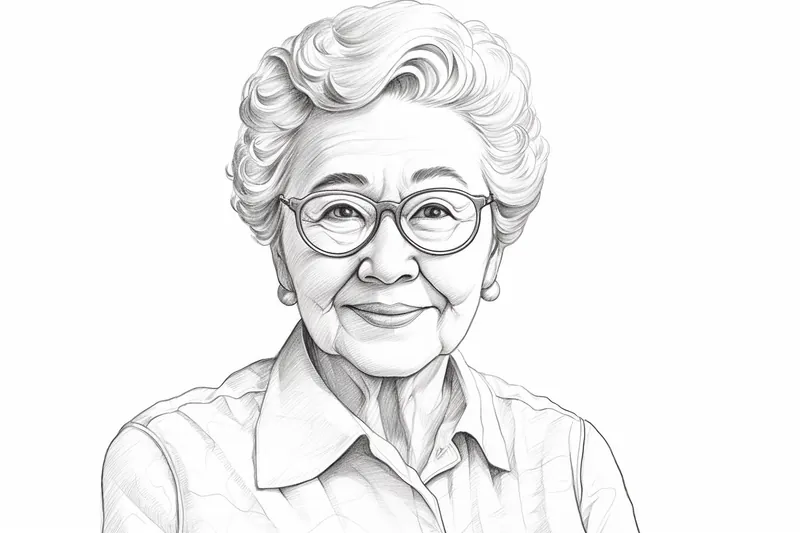
Materials You'll Need
- Pencil
- Paper
- Eraser
Welcome to this detailed tutorial on how to draw a grandma! Drawing a grandmother figure offers a wonderful opportunity to explore character, warmth, and emotion within your art. Grandmas often symbolize love, wisdom, and comfort, making them a meaningful subject to capture. Whether you want to create a realistic portrait of a cherished family member or a stylized character for a story or illustration, this guide will help you bring that vision to life.
By learning how to draw a grandma, you'll develop skills in portraying age, personality, and gentle expressions through facial features and body language.This tutorial is designed for artists of all skill levels, from beginners eager to practice figure drawing to more advanced artists wanting to refine their portrait techniques. We will cover essential drawing fundamentals such as sketching basic shapes, adding details like wrinkles and hair texture, and applying shading to create depth and dimension.
Along the way, you'll learn tips on how to convey warmth and character, making your grandma drawing feel alive and heartfelt. With patience and practice, you'll gain confidence in capturing the unique qualities that make grandmothers so special.So, gather your pencils and paper, and get ready to embark on this creative journey. By following this step-by-step guide on how to draw a grandma, you'll soon be able to create a beautiful, expressive artwork that honors the spirit of grandmothers everywhere. Remember, every line you draw brings you closer to mastering your craft—happy drawing!
Materials Required
To begin drawing a grandma, you will need the following materials:
- A pencil: Choose a pencil with a medium hardness (HB or 2B) for sketching and shading.
- Paper: Use a smooth paper such as drawing paper or sketchbook paper, preferably in a larger size such as 11x14 inches.
- Eraser: Select a soft eraser, such as a kneaded eraser, to remove any mistakes or unwanted lines.
- Drawing tools: If desired, you can also use additional drawing tools like colored pencils, markers, or pastels to add color or texture to your drawing.
Now that we have our materials ready, let's move on to the step-by-step instructions for drawing a grandma.
Step 1: Basic Outline
Start by lightly sketching the basic shape of the head using a circular or oval shape. This will serve as the foundation for the grandma's face. Next, draw a long, curved line down the center of the face to indicate the position of the nose. Add two vertical lines to mark the placement of the eyes, and a horizontal line for the mouth.
Step 2: Facial Features
Now, let's focus on the grandma's facial features. Sketch two small circles within the eye guidelines for the irises. Add smaller circles within the irises to represent the pupils. Above the eyes, draw curved lines for the eyebrows, paying attention to their shape and thickness.
Next, carefully sketch the nose, using the previously drawn guideline as a reference. Consider the shape and size of the grandma's nose, and add any specific details like wrinkles or dimples. Then, draw the mouth by following the guideline, paying attention to the shape and expression.
Step 3: Adding Details
Tip: As you work through the steps of drawing your grandma, consider using reference images or even sketching from life if possible; this will help you capture unique details and expressions that reflect her personality. Observing how light interacts with her features can also enhance your understanding of shading and depth, making your final artwork more lifelike and emotive.
To make your grandma drawing more realistic, it's time to add some details. Start with the eyes, adding eyelashes and shading around the eyes to create depth and volume. Use short, curved lines to represent the wrinkles around the eyes and mouth.
Continue by adding more facial features, such as wrinkles on the forehead, laugh lines, and any other unique characteristics that define your grandma's appearance. Pay attention to the shape of the face and the placement of the ears. Remember, every grandma is unique, so don't be afraid to highlight the special features that make her stand out.
Step 4: Hair and Accessories
Now, let's move on to drawing the grandma's hair. Start by sketching the general shape of the hair, considering the length and style. Pay attention to any specific details like bangs, curls, or a bun. Once the basic shape is in place, add texture and volume to the hair by adding small, curved lines or shading.
If your grandma wears any accessories like glasses, a hat, or earrings, now is the time to draw them. Pay attention to the proportions and details of these accessories, as they can add character to your drawing.
Step 5: Clothing and Body
In this step, we will focus on drawing the grandma's clothing and body. Start by sketching the neckline and collar of the grandma's outfit. Then, carefully draw the rest of the clothing, paying attention to the folds, wrinkles, and overall shape. Consider the type of clothing your grandma might wear, whether it's a dress, blouse, or sweater.
Next, sketch the grandma's body using simple shapes like ovals and rectangles. Pay attention to the proportions and make any necessary adjustments. Remember, the body should be proportionate to the head and the overall pose of your grandma.
Step 6: Shading and Final Touches
To add depth and dimension to your drawing, it's time to add shading. Determine the direction of the light source, and use your pencil to create shadows and highlights accordingly. Observe the reference image or your imagination to identify areas that are in shade or receive more light.
Gradually build up the shading, starting with light strokes and gradually adding darker tones. Use blending techniques like smooth transitions or cross-hatching to create a realistic effect. Pay attention to the contours of the face, body, and clothing, and add details like patterns or textures if desired.
Finally, take a step back and assess your drawing. Make any necessary adjustments or corrections to ensure a well-proportioned and accurate representation of your grandma.
Conclusion
Drawing a grandma is a wonderful way to celebrate and honor the special bond between grandchildren and their grandmothers. By following these step-by-step instructions, you have learned how to capture the essence of a grandma in your drawing. Remember, practice makes perfect, so don't be discouraged if your first attempts are not perfect. With time and dedication, your drawing skills will improve, and you will be able to create beautiful artworks that portray the unique qualities of grandmothers.
Thank you for joining us in this drawing tutorial. We hope you enjoyed the process and are proud of your final grandma drawing. Get your materials ready, and let your artistic journey continue!
Fun Facts About Grandma
- Grandmothers often play a crucial role in child development, providing emotional support and wisdom.
- The word "grandma" has many variations worldwide, reflecting cultural differences in addressing grandmothers.
- Studies show that grandmothers can positively influence grandchildren's health and well-being.
- Grandmothers have been celebrated in art and literature for centuries as symbols of love and wisdom.
- Many cultures have special holidays dedicated to honoring grandmothers, such as Grandparents Day in the United States.
- Grandmothers often pass down traditional recipes and crafts, preserving cultural heritage.
- Research suggests that grandmothers' involvement can improve grandchildren's academic success.
- In some societies, grandmothers serve as community leaders and caregivers beyond their own families.
Suggestions for Scenes and Settings for Grandma Drawings
- Grandma sitting in a cozy armchair, knitting a colorful scarf by the fireplace.
- Grandma baking cookies in a warm, sunlit kitchen with flour dusting the countertops.
- Grandma gardening outdoors, planting flowers or tending to a vegetable patch with a wide-brimmed hat.
- Grandma reading a storybook to her grandchildren under a large, leafy tree in the park.
- Grandma enjoying a peaceful moment sipping tea on a porch swing during a sunset.
- Grandma dancing joyfully at a family celebration, wearing a vintage dress and pearls.
- Grandma sitting at a sewing machine, creating a quilt from colorful fabric scraps.
- Grandma feeding birds in a quiet garden, surrounded by blooming flowers and butterflies.
- Grandma walking her dog on a neighborhood street lined with autumn leaves.
- Grandma painting at an easel in a bright art studio filled with canvases and paintbrushes.