How to Draw a Giganotosaurus
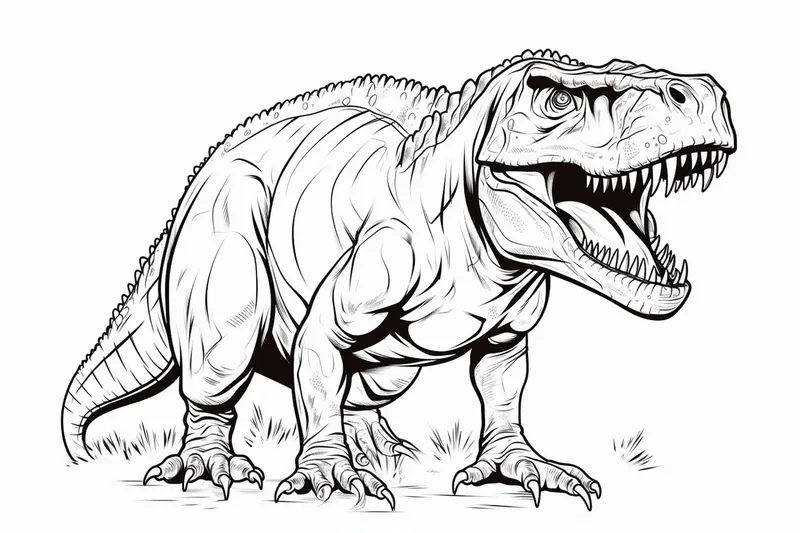
Learn how to draw a giganotosaurus with this step-by-step tutorial. Follow the instructions to create a detailed and realistic dinosaur drawing. Perfect for beginners and experienced artists.
Materials You'll Need
- Pencil
- Paper
- Eraser
The Giganotosaurus is one of the most awe-inspiring predators to ever walk the earth, rivaling even the famous Tyrannosaurus rex in size and power. Known for its massive skull, serrated teeth, and agile build, this dinosaur roamed what is now South America around 98 million years ago. With its distinctive features and fearsome reputation, the Giganotosaurus has captured the imagination of dinosaur enthusiasts, paleontologists, and artists alike. Drawing this incredible creature is not only a fun artistic challenge but also a great opportunity to learn more about prehistoric life and anatomy.
There are many reasons why you might want to learn how to draw a giganotosaurus. Perhaps you're fascinated by dinosaurs and want to add this mighty carnivore to your sketchbook, or maybe you're working on a school project, creating fan art, or simply enjoy drawing prehistoric animals. Mastering the form and movement of such a dynamic subject can help improve your observation and shading skills, and bring your artwork to life with a sense of realism and excitement. Plus, Giganotosaurus's unique proportions offer a fantastic way to practice drawing muscular bodies, textured skin, and dramatic poses.
This tutorial is designed for artists of all skill levels. Whether you're a beginner just starting out or an experienced artist looking to refine your technique, the step-by-step instructions will guide you through each stage of the drawing process. You'll learn how to break down the complex shapes of the Giganotosaurus into simple forms, establish a dynamic pose, add realistic details, and use shading to create depth and dimension. By the end of this guide, you'll have a better understanding of dinosaur anatomy and the confidence to tackle other prehistoric creatures in your artwork.
So, if you've ever wondered how to draw a giganotosaurus, you're in the right place! Gather your drawing materials and get ready to embark on an exciting artistic adventure. Remember, every great drawing starts with a single line, so don't be afraid to make mistakes and have fun throughout the process. With patience and creativity, you'll soon bring this magnificent dinosaur to life on your page!
Materials Required
Before we dive into the drawing process, let's make sure you have all the necessary materials at hand. Here's what you'll need:
- Pencil: Start with a regular HB or No. 2 pencil for sketching and initial outlines.
- Eraser: Make sure you have a good quality eraser to correct any mistakes or refine your drawing.
- Drawing Paper: Choose a smooth and sturdy paper that is suitable for sketching and shading.
- Fine-tip Pens or Ink: You will need pens or ink for inking your final lines if you prefer a more defined look.
- Colored Pencils or Markers (optional): If you want to add color to your giganotosaurus drawing, gather your preferred colored pencils or markers.
That's it! Now let's move on to the step-by-step instructions.
Tip: To enhance your Giganotosaurus drawing, consider using reference images to accurately understand its anatomy and proportions. Pay particular attention to the distinct features like the long skull, slender body, and muscular limbs, as this will help you capture its unique essence. Additionally, experimenting with various poses and angles can not only improve your skills but also bring a sense of dynamism and realism to your artwork. Don't hesitate to sketch multiple versions before finalizing your drawing!
Step 1: Basic Shape and Skeleton
Start by lightly sketching a circle for the giganotosaurus's head. Then, add a line from the head, curving down for the back, and another line curving down for the tail. Connect these lines with a curved line for the body.
Next, draw two curved lines for the limbs (front and back) coming out of the body. Add simple circles or ovals at the ends of these lines to represent the feet. This will serve as the basic skeleton for your giganotosaurus drawing.
Step 2: Outline the Head
Using the circle as a guide, draw the giganotosaurus's head. Start by adding a rounded snout, followed by a line for the jaw. Sketch two small circles for the eyes and add a small curved line above each eye to represent the brow ridge.
Now, draw the mouth by extending the jaw line and adding a row of sharp teeth. Make sure to add more triangular teeth at the bottom jaw compared to the upper.
Step 3: Add Details to the Body
To give your giganotosaurus a more realistic look, it's time to add details to the body. Start by drawing small, curved lines along the back for the spines. Add some additional lines on the tail and limbs to represent the dinosaur's rough skin texture.
Next, draw the front and back limbs with more details. Add curved lines to indicate the muscles and joints. Don't forget to draw the claws at the end of each limb, which are sharp and powerful.
Step 4: Refine the Outline
Now that you have the basic structure and details in place, it's time to refine the outline of your giganotosaurus drawing. Go over your preliminary sketches and make any necessary adjustments to the proportions and shapes.
Start by erasing any unnecessary lines, focusing on retaining only the essential outline and details. Use your pencil to darken the finalized lines, making them more prominent and defining the shape of your giganotosaurus further.
Step 5: Shading and Texturing
To add depth and dimension to your drawing, you can now start shading and texturing your giganotosaurus. Begin by identifying the direction of the light source and shade the areas that would be in shadow accordingly.
Use your pencil to lightly shade the body, keeping the shading consistent with the direction of the light. Pay attention to the muscles and curves of the dinosaur's body to create a realistic three-dimensional effect.
If you prefer a more defined look, you can use fine-tip pens or ink to outline your final lines before shading. This will give your drawing a clean and bold appearance.
Step 6: Optional Coloring
If you want to take your giganotosaurus drawing to the next level, you can add color using colored pencils or markers. Select colors that match the giganotosaurus's appearance and apply them carefully, adding depth and highlights as you go.
Remember to start with lighter colors and gradually build up the layers for a more realistic effect. Take your time and experiment with different techniques to achieve the desired result.
Mistake Alert: One of the most common mistakes when drawing Giganotosaurus is making its head too small or its body too bulky, which can throw off the whole sense of scale and realism. This usually happens because artists rely on generic dinosaur shapes or confuse Giganotosaurus with the more robust T. rex. Remember, Giganotosaurus had a relatively long, low skull and a more slender, agile body compared to its famous cousin. To avoid this pitfall, always start with a careful study of reference images and block in the basic proportions using simple shapes—make sure the skull is prominent and the body maintains a streamlined, balanced look. Double-check the length of the tail and legs, as these help convey the dinosaur's speed and power. Taking a moment to compare your sketch with references before adding details can make a huge difference in capturing the authentic feel of this prehistoric predator!
Conclusion
Congratulations on completing your giganotosaurus drawing! By following these step-by-step instructions, you've learned how to create a detailed and captivating representation of this fascinating dinosaur. Remember, practice makes perfect, so don't hesitate to try drawing the giganotosaurus from different angles and in various poses.
We hope you enjoyed this tutorial and found it helpful in enhancing your drawing skills. Keep exploring and creating, and you'll continue to improve. Happy drawing!
Fun Facts About Giganotosaurus
- Giganotosaurus was one of the largest known terrestrial carnivores, with some estimates suggesting it was even longer than Tyrannosaurus rex.
- This dinosaur lived during the Late Cretaceous period, about 98 million years ago, in what is now Argentina.
- The name Giganotosaurus means "giant southern lizard."
- Giganotosaurus had a massive skull measuring up to 1.8 meters (almost 6 feet) long.
- Unlike T. rex, Giganotosaurus had three fingers on each hand.
- Fossil evidence suggests Giganotosaurus may have hunted in packs to take down large prey.
- Its teeth were serrated and blade-like, ideal for slicing through flesh.
- The first Giganotosaurus fossils were discovered in Patagonia in 1993.
- Giganotosaurus is estimated to have weighed around 8 tons.
Suggestions for Scenes and Settings for Giganotosaurus Drawings
- Giganotosaurus stalking a herd of sauropods across a lush, Cretaceous plain, its massive form partially hidden by prehistoric ferns.
- A dynamic chase scene with Giganotosaurus running at full speed after a fleeing ornithopod, dust swirling beneath its powerful feet.
- Close-up portrait of a Giganotosaurus roaring, showcasing its serrated teeth, muscular neck, and textured scales.
- Giganotosaurus standing tall atop a rocky outcrop, surveying its domain under a dramatic, stormy sky.
- A pair of Giganotosaurus in a territorial face-off, circling each other with jaws open and tails lashing.
- Giganotosaurus resting by a riverbank, its reflection shimmering in the water, surrounded by dense, ancient vegetation.
- A mother Giganotosaurus guarding her nest of eggs from curious smaller dinosaurs or ancient reptiles.
- Giganotosaurus silhouetted against a fiery sunset, highlighting its iconic profile and massive tail.
- A peaceful moment with Giganotosaurus drinking from a prehistoric lake, while pterosaurs glide overhead.
- Giganotosaurus engaged in a dramatic battle with another top predator, such as Mapusaurus, in a dusty, open field.