How to Draw a Gargoyle
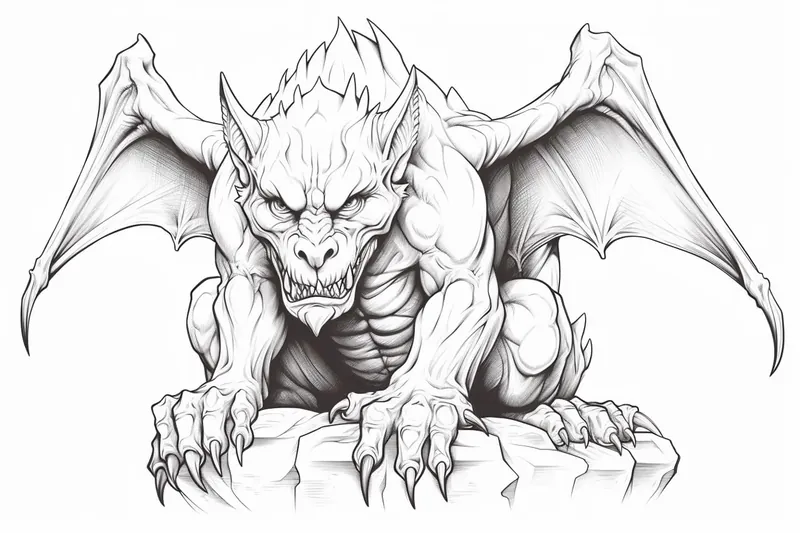
Learn how to draw a gargoyle in this step-by-step tutorial. Follow along with an expert artist and create your own unique gargoyle drawing. Perfect for beginners!
Materials You'll Need
- Pencil
- Paper
- Eraser
Welcome to this detailed step-by-step guide on how to draw a gargoyle! Gargoyles are fascinating mythical creatures often seen perched atop ancient cathedrals and buildings, serving both as decorative sculptures and as water spouts to divert rainwater. Their distinctive features—such as fierce expressions, intricate wings, and muscular bodies—make them captivating subjects for artists who enjoy blending fantasy with architectural elements. Drawing a gargoyle allows you to explore imaginative anatomy and intricate details, making it a rewarding challenge for anyone interested in gothic art or fantasy illustration.
Whether you are a beginner eager to expand your skills or an experienced artist looking to try something new, learning how to draw a gargoyle will help you develop your understanding of form, texture, and shading. This tutorial breaks down the complex shapes into manageable steps, guiding you through constructing the basic shapes, adding fine details, and emphasizing shadows to bring your gargoyle to life. The process will enhance your ability to depict mythical creatures with a strong sense of character and atmosphere, encouraging creativity and patience.
By the end of this tutorial, you'll not only have a striking gargoyle drawing but also improved drawing techniques that you can apply to other fantasy art projects. Remember, every great artist started with simple steps, so don't be discouraged if your first attempt isn't perfect. Embrace the process, enjoy the artistic journey, and let this guide inspire you to bring your own fantastical creations to life. Now, let's dive into how to draw a gargoyle that captures the essence of these legendary stone guardians!
Tip: To enhance your gargoyle drawing, consider practicing different facial expressions and body postures by sketching several quick studies before starting your final piece. This will help you understand how to convey emotion and movement, enabling you to create a more dynamic and engaging character that truly embodies the mythical essence of gargoyles.
Materials Required:
Before we begin, let's gather all the materials you'll need for this drawing:
- Drawing paper or sketchbook
- Pencil (preferably HB or 2B)
- Eraser
- Fine-tipped black pen or marker (optional)
- Colored pencils or markers (optional)
Having these materials on hand will ensure that you have everything you need to bring your gargoyle to life on paper. So let's dive in and start drawing!
Step 1: Research and Inspiration
Before you begin drawing, it's always a good idea to do some research and gather inspiration. Look up images of gargoyles online or in books to get an idea of the different styles and features they can have. Take note of the various shapes, textures, and facial expressions that you find interesting. This research will help you develop your own unique gargoyle design.
Step 2: Basic Shapes
Start by lightly sketching the basic shapes that will form the foundation of your gargoyle's body. Gargoyles typically have a muscular and stocky appearance. Begin with a large oval or circle for the head, and then add a smaller oval or rectangle for the body. Use simple shapes like rectangles for the limbs, and circles or ovals for the hands and feet.
Step 3: Refine the Body
Once you have the basic shapes in place, it's time to refine the body of your gargoyle. Start by adding more detail to the head, such as the facial features. Gargoyles often have exaggerated features like big eyes, sharp teeth, and a prominent brow ridge. Study your reference images to get a sense of the different variations you can incorporate.
Next, add more definition to the body by adding muscle definition and details like ribcages or scales. Experiment with different textures and patterns to make your gargoyle unique.
Step 4: Wings and Tail
Gargoyles are often depicted with wings and a tail, so let's add those next. Use long, curved lines to create the wing structure, starting from the shoulders and extending outwards. Gargoyle wings can be either bat-like or more like bird wings, so explore different styles to find the one that appeals to you.
For the tail, use curved and tapered lines to create a flowing shape that complements the overall design of your gargoyle. Don't be afraid to experiment with different tail shapes and lengths.
Step 5: Details and Textures
Now it's time to add more intricate details and textures to your gargoyle drawing. Use smaller lines and shapes to define the muscles, scales, and other features. Pay attention to the different textures you observed in your research and try to incorporate them into your drawing.
If you're using a pen or marker, you can trace over your pencil lines to create bold and defined outlines. This step is optional, but it can add a more finished look to your drawing.
Step 6: Coloring (Optional)
If you want to take your gargoyle drawing to the next level, you can add color using colored pencils or markers. Think about the mood and atmosphere you want to convey with your gargoyle. Will it be dark and menacing, or colorful and whimsical? Experiment with different color combinations to bring your gargoyle to life.
Start by laying down base colors and then gradually add shading and highlights to create depth and dimension. Use reference images or your imagination to guide your color choices.
Conclusion
Congratulations! You have completed your gargoyle drawing. By following these step-by-step instructions, you have created a unique and captivating gargoyle that showcases your artistic skills. Remember, drawing takes practice, so don't be discouraged if your first attempt doesn't turn out exactly as you imagined. Keep experimenting, learning, and exploring different styles to develop your own distinct artistic voice. Enjoy the process, and have fun with your creative journey!
Fun Facts About Gargoyle
- Gargoyles originally served as water spouts to direct rainwater away from buildings, preventing erosion.
- The word "gargoyle" comes from the French word "gargouille," meaning throat or gullet, referring to the water channel.
- Many gargoyles are designed with grotesque features to ward off evil spirits and protect the buildings they adorn.
- Gargoyles are most commonly associated with Gothic architecture, especially cathedrals built in the Middle Ages.
- Not all grotesque stone figures on buildings are gargoyles; only those that function as water spouts are true gargoyles. Others are called grotesques.
- Some gargoyles were designed to represent mythical creatures or animals, blending fantasy with architectural function.
- Famous gargoyles can be found on Notre-Dame Cathedral in Paris, which has over 50 stone gargoyles and chimeras.
- In addition to their practical use, gargoyles often symbolize guardianship and vigilance over the buildings they decorate.
Suggestions for Scenes and Settings for Gargoyle Drawings
- A gargoyle perched atop a gothic cathedral at dusk, silhouetted against a purple and orange sky.
- A close-up of a weathered stone gargoyle with rainwater trickling from its mouth during a storm.
- A fantasy cityscape with gargoyles guarding ancient bridges and archways, blending architecture with mythical creatures.
- A nocturnal scene showing a gargoyle coming to life under a full moon, wings unfurling as it prepares to take flight.
- A dark, misty rooftop garden where gargoyles are entwined with creeping ivy and blooming night flowers.
- A gargoyle overlooking a bustling medieval marketplace, its fierce expression contrasting with the lively scene below.
- An ancient ruin where fallen gargoyles lie cracked and overgrown, hinting at lost magical powers.
- A whimsical, colorful interpretation of a gargoyle in a fantasy world filled with playful creatures and vibrant architecture.
- A dramatic scene of a gargoyle battling shadowy demons amidst swirling storm clouds above a castle.
- A serene dawn setting with a gargoyle bathed in soft golden light, overlooking a quiet village awakening below.