How to Draw a Falcon
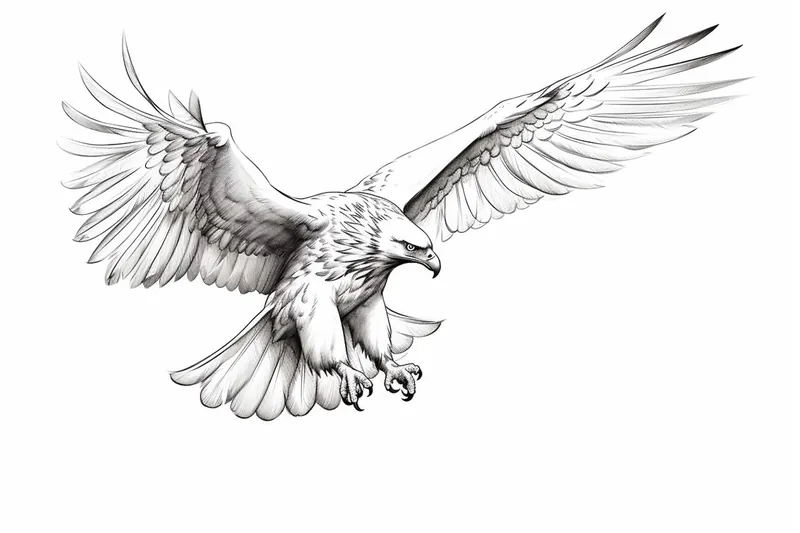
Learn how to draw a falcon with these step-by-step instructions. Create a stunning representation of a falcon with this easy-to-follow tutorial.
Materials You'll Need
- Pencil
- Paper
- Eraser
Welcome to this comprehensive tutorial on how to draw a falcon! Falcons are among the most fascinating and admired birds in the animal kingdom, revered for their sharp eyesight, swift flight, and remarkable hunting skills. These birds of prey can be found soaring through skies around the world, and their sleek, streamlined bodies and distinctive facial markings make them a favorite subject for artists and nature lovers alike. Capturing the essence of a falcon on paper allows you to appreciate its beauty and power up close, making this drawing both a creative challenge and a rewarding experience.
Learning how to draw a falcon is a fantastic way to improve your skills in observation, proportion, and detail work, whether you are a beginner eager to learn the basics or a more advanced artist looking to refine your technique. This tutorial will break down the process into manageable steps, covering essential techniques such as sketching the initial outline, adding dynamic wing shapes, and layering in texture to suggest feathers and depth. Along the way, you'll discover how to bring your falcon to life with expressive lines and careful shading. Don't worry if you're new to drawing birds—this guide is designed to be approachable and encouraging, helping you build confidence with every step.
By the end of this lesson, you'll have created your own stunning falcon illustration and gained valuable skills that you can use in future wildlife art projects. So gather your materials, settle into a comfortable workspace, and let's embark on this artistic journey together. Remember, every artist improves with practice, so enjoy the process and have fun as you discover how to draw a falcon!
Materials Required
Before we begin, make sure you have the following materials ready:
- Sketching pencils (HB, 2B, 4B)
- Eraser
- Drawing paper
- Blending stump (optional)
- Reference image of a falcon
Now that you have everything you need, let's dive into the process of drawing a falcon!
Step 1: Outline the Basic Shape
To start, lightly sketch a rough outline of the falcon's body using your HB pencil. Begin with a simple oval shape for the body and add a smaller oval for the head. Extend a curved line downward from the head to represent the neck. Don't worry about adding details at this stage, as we will refine the shape in the following steps.
Step 2: Add Details to the Head and Beak
Next, let's focus on the details of the falcon's head. Draw a curved line across the oval to indicate the position of the eyes, then sketch two small circles for the eyes. Draw a sharp, downward-curved beak extending from the head. Pay attention to the proportions and angles, referring to your reference image for accuracy.
Step 3: Define the Feathers
Now, it's time to add some feather details to the body of the falcon. Start by lightly sketching the outline of the wings on each side of the body, extending them outward and slightly upward. Add lines across the wings to represent the feathers, following the natural direction of the feathers. Use curved lines to outline the tail feathers as well.
Step 4: Refine the Shape and Add Texture
In this step, we will refine the overall shape of the falcon and add more texture to its feathers. Darken the outline of the body and head, emphasizing the curves and contours. Use your 2B pencil to add more feather details, gradually building up darker shading in areas that require more emphasis. Pay attention to the way the feathers overlap and create different texture patterns.
Step 5: Focus on the Eyes and Beak
Now let's bring the falcon's face to life! Darken the outline of the eyes and carefully shade the area around them to create depth. Use your 4B pencil to add additional shading and texture to the beak, paying attention to its unique shape and curves. Blend the shading with a blending stump or your finger to create a smooth transition between the different tones.
Step 6: Work on the Wings and Tail
In this step, we will add more details to the wings and tail. Darken the lines representing the wing feathers, paying attention to their shape and direction. Use short, quick strokes to depict the individual feathers. For the tail feathers, draw longer, curved lines along the outline and add some smaller strokes to indicate the texture.
Step 7: Add the Final Touches
To complete your drawing, take a step back and assess the overall composition. Make any necessary adjustments to ensure the proportions and details are accurate. Use your eraser to clean up any stray lines or smudges, and add any final touches to enhance the falcon's appearance. You can also add a background or additional elements to make your drawing stand out.
Tip: When drawing a falcon, start by lightly sketching the basic shapes—an oval for the body, a smaller circle for the head, and lines to indicate the wings and tail position—to establish accurate proportions before adding details. Pay close attention to the angle and length of the wings, as falcons have long, pointed wings that give them their signature silhouette. Use short, directional pencil strokes to suggest the layering of feathers, especially around the chest and wings, which are densely textured. As you refine your drawing, gradually build up contrast with shading to emphasize the powerful beak, keen eyes, and muscular legs—these features capture the falcon's predatory intensity and elegance.
Conclusion
Congratulations! You have successfully learned how to draw a falcon, capturing its grace and beauty on paper. By following these step-by-step instructions, you have created a stunning representation of this magnificent bird. Remember, practice makes perfect, so feel free to experiment with different poses and styles. Keep honing your drawing skills, and soon you'll be able to tackle even more complex subjects. Happy drawing!
Fun Facts About Falcon
- The peregrine falcon is the fastest animal on Earth, reaching speeds over 240 mph during its hunting dives.
- Falcons have exceptional eyesight, estimated to be up to eight times better than that of humans.
- There are about 40 different species of falcons found all over the world except Antarctica.
- Unlike hawks and eagles, falcons kill their prey with their beaks instead of their talons.
- Falcons have a special notch in their beak called a "tomial tooth" to help sever the spinal cords of their prey.
- Falcons are known for their long, pointed wings and streamlined bodies, which make them agile fliers.
- Some falcon species, like the kestrel, can hover in place while searching for prey.
- Falcons have been trained for hunting by humans for over 3,000 years, a practice known as falconry.
- The peregrine falcon was once endangered due to pesticide use but has made a remarkable recovery thanks to conservation efforts.
Suggestions for Scenes and Settings for Falcon Drawings
- A falcon soaring high above a mountain range, wings outstretched against dramatic clouds.
- A close-up portrait of a falcon perched on a weathered branch, emphasizing its sharp eyes and beak.
- A hunting scene with a falcon diving at full speed towards its prey in an open field.
- A falcon resting on a medieval falconer's gloved hand, complete with traditional equipment.
- A young falcon learning to fly, flapping its wings while perched on the edge of a rocky nest.
- A cityscape setting, with a falcon perched atop a tall building surveying the urban environment below.
- A pair of falcons performing an aerial courtship display, intertwining in midair.
- A desert scene, with a falcon standing on a sand dune, feathers ruffled by the wind.
- A falcon in a rainstorm, wings partially open as droplets bead on its feathers.
- A dramatic silhouette of a falcon at sunset, perched on an ancient ruin or cliff edge.