How to Draw a City at Twilight
Learn how to draw a city at twilight with this step-by-step tutorial. Explore techniques for capturing the beauty of cityscapes in the evening light.
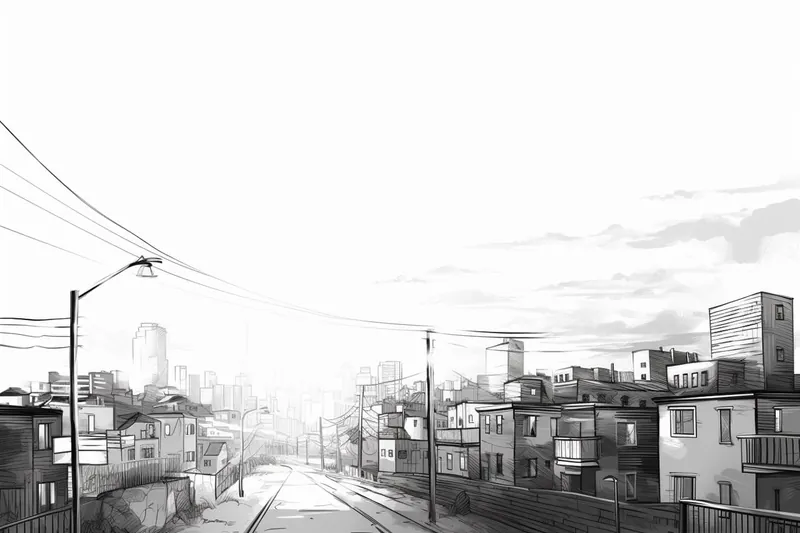
Materials You'll Need
- Pencil
- Paper
- Eraser
Capturing the magic of a city at twilight is an inspiring artistic endeavor that combines the beauty of urban architecture with the subtle play of fading daylight and emerging city lights. Twilight, the time just after sunset, bathes the skyline in a blend of warm and cool tones, creating a mood that is both tranquil and electric. Learning how to draw a city at twilight offers artists a unique opportunity to explore contrasts between light and shadow, reflections on glass windows, and the intricate details of buildings silhouetted against a colorful sky. This subject not only challenges your observational skills but also invites creativity in rendering atmospheric effects and glowing illumination.
Whether you are a beginner eager to advance your skills or an experienced artist looking to refine your technique, this tutorial will guide you through the process step-by-step. By focusing on principles such as perspective, shading, and blending, you'll learn to represent the depth and vibrancy of a twilight cityscape realistically. Techniques like layering pencil strokes to emulate the soft gradient of the sky, and carefully placing highlights to simulate city lights, will be covered in detail. Drawing a city at twilight is rewarding because it encourages you to capture both structure and mood, making your artwork come alive with emotion and atmosphere.
So, if you've ever been captivated by the serene yet bustling energy of a city as day turns to night, this tutorial is perfect for you. Grab your pencils, paper, and patience, and embark on a creative journey that will enhance your drawing abilities while producing a stunning piece of art. By the end of this guide on how to draw a city at twilight, you'll have the confidence and skills to recreate your own urban twilight scenes and perhaps even develop your own signature style in capturing these fleeting, beautiful moments.
Materials Required
- Drawing paper
- Pencils (2B, 4B, 6B)
- Eraser
- Blending stumps
- Colored pencils or markers (optional)
- Reference photo of a cityscape at twilight
Step 1: Sketch the Outline
Begin your cityscape journey by gently sketching the fundamental shapes and outlines that compose the urban landscape. Capture the essence of the city's skyline, marking the profiles of towering buildings, the winding paths of streets below, and the distinctive silhouettes of any significant landmarks. This initial stage is about laying the groundwork, focusing on the contrast of the city's architecture against the softening light of twilight. Keep your lines light and adaptable, allowing for adjustments as your vision takes shape.
Step 2: Add Details
With your city's skeleton in place, it's time to breathe life into it by infusing your drawing with details that define its character. Delve into the architectural nuances of each building, from the ornate to the modern, and sketch the subtle yet significant elements like windows, doorways, and decorative trim. Incorporate the lively elements of street scenes—vehicles, street lamps, and perhaps the distant figures of city dwellers. Employ a range of pencil grades here to introduce a rich tapestry of textures and contrasts within your urban scene.
Step 3: Create Depth and Perspective
The magic of a cityscape lies in its depth and perspective, which give it a sense of realism. Achieve this by varying the pressure of your pencil strokes—lighter for the distant architectural elements fading into the twilight, and bolder for the features in the forefront. Experiment with shading techniques such as cross-hatching or stippling to enhance the three-dimensional feel and suggest the bustling atmosphere of urban life. This step is crucial for drawing the viewer into the scene, making them feel as if they're standing within the city itself.
Step 4: Focus on Lighting
Twilight brings a unique interplay of light and shadow to the city, transforming ordinary scenes into something extraordinary. Concentrate on how the diminishing natural light interacts with the artificial lights beginning to punctuate the cityscape. This contrast is not only beautiful but also tells the story of the transition from day to night. Utilize a blending stump or your finger to soften and blend your pencil marks, creating realistic gradients that mimic the gentle fading of light and the emergence of shadows.
Step 5: Add Color (Optional)
For artists wishing to push their cityscape into a vibrant spectacle, adding color can bring a new dimension to the twilight scene. Choose your mediums—whether colored pencils, watercolors, or markers—to layer hues that reflect the warmth of the setting sun against the cool blues and purples of the approaching night. Approach color application with restraint, allowing the colors to gradually build up and blend into one another, mirroring the natural gradation of the sky and the eclectic lights of the city. This final touch can transform your drawing from a simple sketch to a compelling depiction of city life at twilight.
Conclusion
Drawing a city at twilight offers a unique opportunity to explore light, perspective, and atmosphere in your artwork. By following these steps and experimenting with different techniques, you can create a stunning cityscape that captures the beauty of twilight. So, grab your pencils and paper, and start drawing your own city at twilight masterpiece today!
Fun Facts About City at Twilight
- The term "twilight" refers to the time after sunset when the sky is partially illuminated, creating unique lighting conditions for cityscapes.
- City skylines at twilight often display a blend of natural and artificial light, making them a favorite subject for photographers and artists alike.
- Drawing a city at twilight challenges artists to capture the contrast between fading daylight and emerging city lights, enhancing skills in shading and perspective.
- Twilight cityscapes often feature reflections on glass windows, adding complexity and depth to the artwork.
- The warm and cool tones of twilight skies create a natural gradient that artists replicate using layering and blending techniques. Color theory basics.
- Urban architecture silhouetted against a twilight sky highlights the unique shapes and profiles of buildings, making cityscapes visually striking. Architecture and silhouettes.
- Many famous cities, like New York and Tokyo, are renowned for their breathtaking twilight skylines that attract tourists and artists worldwide.
- [Twilight is a preferred time for cityscape photography because the balance of light creates dramatic and atmospheric images. Twilight photography tips](https://digital-photography-school.com/11-tips-for-creating-stunning-photographs-of-cities-at-dawn/).
Suggestions for Scenes and Settings for City at Twilight Drawings
- A bustling city street lined with glowing street lamps and storefronts, with silhouettes of pedestrians and cars fading into the twilight haze.
- The skyline viewed from a rooftop terrace, featuring a mix of modern skyscrapers and historic buildings against a gradient sky of warm oranges and cool blues.
- A riverside cityscape reflecting the colorful twilight sky and twinkling lights on the water's surface, with boats gently floating nearby.
- An urban park embedded within the city, with trees casting long shadows and nearby buildings softly illuminated by the last rays of sunlight and emerging city lights.
- A quiet alleyway framed by tall buildings, where neon signs and windows create pockets of vibrant light contrasted against deepening shadows.
- A city bridge stretching across the horizon, featuring cars with headlights on and streetlights beginning to glow as dusk settles in.
- A bustling market square with outdoor cafes, string lights, and people enjoying the transition from day to night under a twilight sky.
- A panoramic view from a hill overlooking the city, capturing the gradual illumination of buildings and the fading colors of the sunset sky.
- A subway entrance or urban transit hub at twilight, showcasing the interplay of artificial lighting with the dimming natural light.
- A construction site or crane silhouette against a vibrant twilight sky, emphasizing the contrast between industrial elements and the softness of the fading light.