How to Draw a Building
Learn how to draw a realistic building with step-by-step instructions. Develop your architectural sketching skills and create stunning drawings with this helpful tutorial.
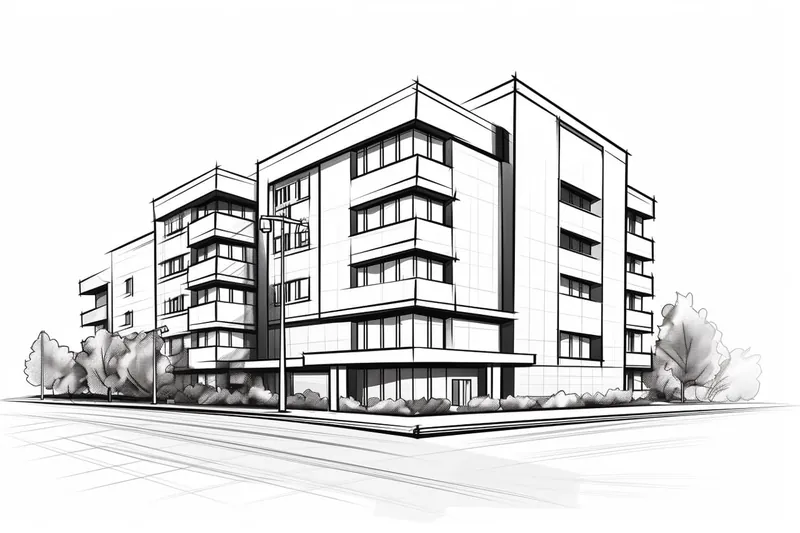
Materials You'll Need
- Pencil
- Paper
- Eraser
Welcome to this comprehensive tutorial on how to draw a building, designed to guide artists of all levels through the fascinating world of architectural sketching. Buildings are not only fundamental elements of our daily environment but also incredible subjects for artistic expression. They offer a perfect blend of straight lines, geometric shapes, and perspectives that challenge and enhance your drawing skills. Whether you are captivated by the grandeur of skyscrapers or the charm of quaint cottages, learning how to accurately depict buildings can open up a whole new dimension in your art practice.
Drawing buildings requires an understanding of perspective, proportion, and detail, making it an excellent exercise for developing precision and spatial awareness. This tutorial will introduce you to essential techniques such as using vanishing points, creating depth, and adding realistic textures that bring your architectural drawings to life. Whether you are a beginner eager to build foundational skills or an experienced artist looking to refine your technique, this step-by-step guide will help you master the art of how to draw a building with confidence and creativity. By the end, you'll be well-equipped to create stunning, realistic sketches that capture the essence of any structure.
Embarking on this drawing journey is not only about technical skills but also about cultivating patience and observation. With the right materials and a little practice, you'll find yourself enjoying the process as much as the final result. So grab your pencils and sketchbook, and let's dive into the rewarding challenge of architectural drawing. Remember, every great artist started with simple lines and shapes—your masterpiece is just a few strokes away!
Materials Required
Before we begin, make sure you have the following materials on hand:
- Sketchbook: Choose a sketchbook that has good-quality paper, preferably with a heavier weight to prevent bleed-through.
- Pencils: Use a range of graphite pencils, such as 2B, 4B, and 6B, to achieve varying degrees of shading.
- Eraser: Have a soft kneaded eraser or a vinyl eraser for correcting mistakes and adding highlights.
- Ruler: A straight edge ruler will help you create precise lines and measurements.
- Fine-tipped pens: Consider using fine-tipped pens such as technical pens or fineliners for adding details and textures.
- Colored pencils (optional): If you want to add color to your drawing, have a set of colored pencils ready.
Now that you have your materials ready, let's start drawing a building!
Step 1: Gather Reference Images
To draw a realistic building, it's essential to have visual references. Look for photographs or images of buildings that inspire you. Pay attention to the architectural elements, such as windows, doors, and overall structure. Having a reference image will help you understand the building's proportions and details.
Step 2: Start with Basic Shapes
Begin by lightly sketching the basic shapes that make up the building's structure. Use simple geometric shapes like rectangles, squares, and triangles to represent different parts. Focus on capturing the overall proportions and perspective of the building.
Step 3: Add Details
Now it's time to add details to your building drawing. Look closely at your reference image and start sketching the windows, doors, and any other architectural features. Use your ruler to create straight lines and maintain accuracy. Take your time with this step, as it's crucial for capturing the unique characteristics of the building.
Step 4: Develop the Lighting and Shadows
To make your building drawing more realistic, you need to consider the lighting and shadows. Determine the direction of the light source in your reference image and shade accordingly. Use your pencils to create subtle gradations of tone, giving your drawing a three-dimensional feel. Pay attention to the areas where shadows fall and where the light hits the building's surfaces.
Step 5: Add Texture and Details
Now that you have the basic structure and shading in place, it's time to add texture and details to your building drawing. Pay attention to the different materials used in the building, such as bricks, glass, or concrete. Use your fine-tipped pens or pencils to create textures and patterns. Add small details like window frames, doorknobs, or architectural embellishments to make your drawing more realistic.
Step 6: Refine and Adjust
Take a step back and analyze your drawing. Look for areas that need refinement or adjustment. It's common for mistakes to happen, especially when drawing complex structures like buildings. Use your eraser to correct any inaccuracies or clean up unwanted lines. Remember, practice makes perfect, so don't be discouraged if your drawing doesn't turn out exactly as planned.
Step 7: Optional: Add Color
If you want to take your drawing to the next level, consider adding color using colored pencils. Start by lightly layering colors on areas that need shading or highlighting. Blend the colors smoothly to create a realistic effect. Use your reference image to guide your color choices and maintain accuracy.
Conclusion
Drawing a building may seem daunting at first, but with practice and the right techniques, you can create impressive architectural sketches. Remember to gather reference images, start with basic shapes, add details, develop lighting and shadows, and refine your drawing. Don't forget to enjoy the process and embrace any mistakes as learning opportunities.
Now that you have the basic steps, grab your sketchbook and give it a try! Start small with simple buildings and gradually challenge yourself with more complex structures. Happy drawing!
Fun Facts About Building
- The tallest building in the world is the Burj Khalifa in Dubai, standing at 828 meters tall.
- Buildings can be designed to be energy-efficient, reducing their environmental impact through green architecture.
- The Great Pyramid of Giza, built over 4,500 years ago, was the tallest man-made structure for millennia.
- Skyscrapers use a technique called "curtain walls" which are non-structural outer coverings to reduce weight.
- Building materials like concrete have been used since Roman times and are still fundamental today.
- Modern buildings often incorporate smart technology to automate lighting, heating, and security.
- The concept of "green roofs" involves planting vegetation on rooftops to improve insulation and reduce runoff.
- Architectural drawing and building design rely heavily on perspective techniques to create realistic representations.
Suggestions for Scenes and Settings for Building Drawings
- A bustling urban cityscape with reflective glass windows catching the sunset.
- An old, charming cottage nestled in a forest clearing with textured wooden walls and a stone chimney.
- A futuristic high-tech building featuring sleek curves and metal surfaces illuminated by neon lights.
- A traditional European town square lined with quaint brick buildings and cobblestone streets.
- An abandoned industrial warehouse with broken windows, rusted metal textures, and overgrown vines.
- A serene lakeside cabin surrounded by pine trees, showing reflections in the water.
- A majestic ancient temple with intricate carvings and towering pillars under dramatic lighting.
- A coastal lighthouse perched on rugged cliffs, with weathered stone and dynamic ocean waves in the background.
- A modern minimalist home with large glass panels and clean geometric shapes set in a desert landscape.
- A bustling market street lined with colorful buildings, awnings, and detailed storefronts bustling with activity.