How to Draw a Bow Tie
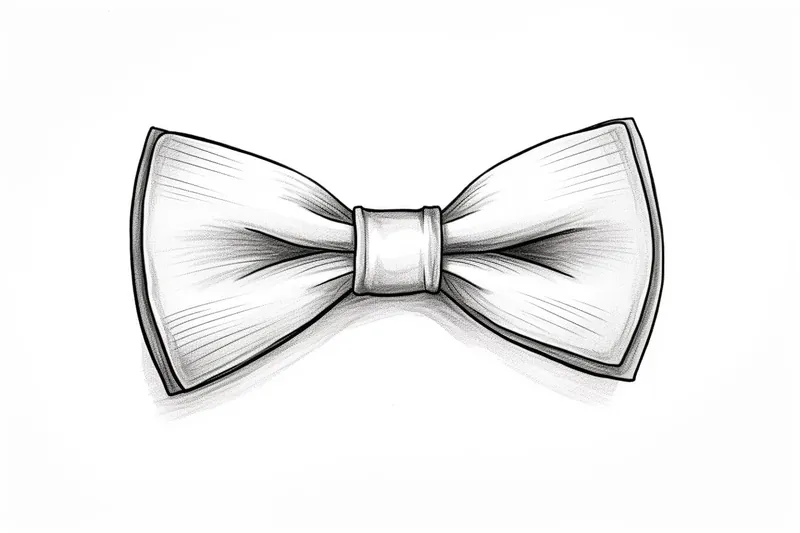
Learn how to draw a bow tie like a pro with this step-by-step tutorial. Create stylish and elegant bow ties in your drawings with ease.
Materials You'll Need
- Pencil
- Paper
- Eraser
Drawing accessories like a bow tie can add a charming and sophisticated element to your artwork, making your characters or fashion sketches stand out with elegance. A bow tie is not just a simple knot of fabric; it has a distinctive shape and folds that can be both fun and challenging to capture accurately. Learning how to draw a bow tie will help you refine your skills in illustrating fabric textures, shadows, and symmetry, which are essential techniques for any artist looking to enhance their repertoire. Whether you're illustrating formal wear, creating character designs for comics, or just exploring fashion-themed art, mastering this accessory is a valuable skill.In this tutorial, we will break down the process of how to draw a bow tie into simple, manageable steps. This tutorial is perfect for beginners who want to build foundational drawing skills, as well as intermediate artists looking to add more detail and finesse to their work. Through practicing shapes, proportions, and shading, you'll gain confidence in rendering this classic accessory with precision. We'll focus on observing the bow tie's structure and how light interacts with its folds, helping you bring your drawing to life.So, if you've ever wondered how to draw a bow tie that looks polished and professional, this guide is for you. With patience and practice, you'll be able to create a stylish and elegant bow tie that enhances your artwork and impresses viewers. Grab your pencils, and let's embark on this artistic journey together—your sophisticated drawing awaits!
Materials Required
Before we dive into the process of drawing a bow tie, let's gather the materials you will need:
- Pencil
- Eraser
- Paper
- Ruler (optional)
Now that we have everything we need, let's begin the step-by-step process of drawing a bow tie.
Step 1: Start with a Horizontal Line
Begin by drawing a horizontal line in the middle of your paper. This line will serve as the base for our bow tie. You can use a ruler to ensure your line is straight and accurately positioned.
Step 2: Draw Two Rectangles
From the ends of the horizontal line, draw two rectangles extending outwards. These rectangles should be equal in size and shape. They will form the main body of the bow tie.
Step 3: Connect the Rectangles
Next, draw two lines that connect the top corners of each rectangle. These lines should meet at a point above the horizontal line. This will create a triangular shape above the rectangles, which will become the knot of the bow tie.
Step 4: Create the Knot
Within the triangular area, draw another smaller rectangle. This rectangle should be centered and slightly shorter than the width of the triangular area. It will represent the knot of the bow tie.
Step 5: Add Curves to the Knot
To give the knot a realistic appearance, round off the corners of the rectangle slightly. This will soften the edges and make the knot look more three-dimensional.
Step 6: Outline the Bow Tie
Now it's time to outline the entire bow tie. Go over the main body of the bow tie, the triangular knot, and the rounded corners of the knot, using smooth and confident strokes. Add extra details and refine any lines that need adjustment.
Step 7: Erase Unwanted Lines
Using an eraser, carefully remove any unnecessary lines or guidelines that are no longer needed. Make sure to erase lightly to avoid smudging or damaging your drawing.
Step 8: Add Texture and Detail
To make your bow tie drawing more realistic, consider adding some texture and detail. You can do this by adding subtle shading or cross-hatching to the knot and the main body of the bow tie. This will create the illusion of fabric and depth.
Step 9: Finalize Your Drawing
Take a step back and evaluate your drawing. Make any necessary adjustments or corrections to ensure your bow tie looks complete and well-proportioned. Pay attention to the overall shape and symmetry of the bow tie.
Tip: To enhance your bow tie drawing, pay close attention to the light source and how it interacts with the fabric's folds and texture. Practicing shading techniques, such as cross-hatching or blending, can help create depth and realism, making your bow tie look more three-dimensional. Remember to observe real bow ties or images for reference, as this will improve your understanding of how shadows fall and highlights appear on different materials.
Conclusion
Congratulations! You have successfully learned how to draw a bow tie from scratch. By following these step-by-step instructions, you can now create a charming and stylish bow tie in your drawings. Remember to practice regularly to refine your skills and create even more impressive artwork. With a little patience and dedication, you'll be able to draw bow ties effortlessly. So go ahead and showcase your newfound talent in your next artistic endeavor!
Fun Facts About Bow Ties
- The bow tie originated in the 17th century as a practical way for Croatian mercenaries to hold their shirt collars together.
- Winston Churchill was famous for wearing a bow tie, making it a symbol of distinguished style.
- Unlike regular neckties, bow ties never come undone during formal events, making them a popular choice for black-tie occasions.
- The Guinness World Record for the largest bow tie measured over 63 feet wide and was created in India in 2018.
- Bow ties are often associated with professions like architects, professors, and doctors, symbolizing intelligence and creativity.
- There are several styles of bow ties, including butterfly, batwing, and diamond point, each with a unique shape and formality level.
- Self-tied bow ties are considered more elegant and authentic compared to pre-tied versions, reflecting the wearer's attention to detail.
- In the 1920s, bow ties became a popular fashion statement among jazz musicians and entertainers.
Suggestions for Scenes and Settings for Bow Tie Drawings
- A distinguished gentleman at a vintage cocktail party, wearing a patterned silk bow tie.
- A whimsical cartoon character sporting a brightly colored bow tie with exaggerated folds.
- A close-up study focusing on the texture and shadows of a velvet bow tie under soft lighting.
- A fashion runway model showcasing a modern tuxedo with a sleek, minimalist bow tie design.
- An elegant wedding scene featuring a groom and groomsmen all coordinated with matching bow ties.
- A playful pet portrait where a dog or cat wears a cute bow tie collar, emphasizing charm and personality.
- A steampunk-inspired character with a bow tie made of leather and metal accents.
- A vintage detective character in a trench coat and bow tie, set against a moody city backdrop.
- A formal ballroom dance scene with dancers dressed in classic attire, highlighting the bow tie as a key accessory.
- A whimsical still life arrangement of various bow ties laid out on a textured fabric background, showcasing different materials and patterns.