How to Draw a Belt
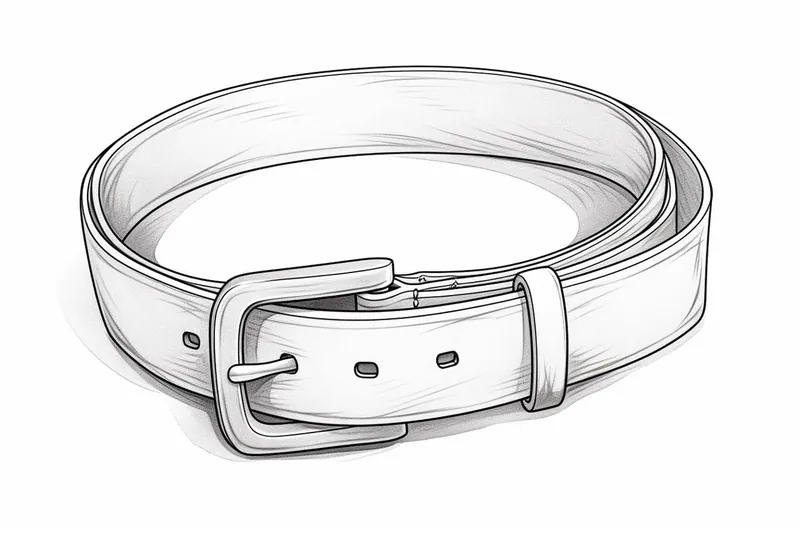
Learn how to draw a belt step by step with this art tutorial. Capture the shape, texture, and details to enhance your fashion designs and illustrations.
Materials You'll Need
- Pencil
- Paper
- Eraser
Belts are not only functional accessories but also versatile elements that can greatly enhance the visual appeal of fashion illustrations, character designs, and even still-life compositions. Drawing a belt might seem simple at first glance, but capturing its unique features—such as the buckle, stitching, texture, and the way it interacts with clothing—requires careful observation and attention to detail. Whether you're aiming to depict a sleek leather belt, a casual fabric strap, or a decorative ornate piece, understanding the form and structure is essential to bring your artwork to life.
Learning how to draw a belt is a valuable skill for artists at various levels, from beginners looking to improve their basic shapes and shading techniques, to more advanced illustrators wanting to add realistic texture and depth to their pieces. This tutorial will guide you through the step-by-step process, teaching you how to break down the belt into manageable parts, sketch the underlying shape, and add crucial details like folds, shadows, and highlights. By focusing on proportion and perspective, you'll gain confidence in rendering belts in different poses and angles, enhancing your overall drawing abilities.
Whether you're working on a fashion sketch, creating a character's outfit, or simply expanding your drawing repertoire, mastering how to draw a belt will add a polished and professional touch to your artwork. With patience and practice, you'll soon be able to depict belts convincingly and stylishly. So, gather your pencils and paper, and let's embark on this creative journey together—your next belt drawing awaits!
Materials Required
Before we dive into the drawing process, gather the following materials:
- Paper: Choose a smooth, high-quality paper that can handle different drawing techniques.
- Pencils: You will need a range of graphite pencils, such as HB, 2B, and 4B, to achieve various shades and lines.
- Eraser: A kneaded eraser is recommended as it doesn't leave behind residue and can be shaped to erase small details.
- Ruler: A straight-edge ruler will help you create straight and precise lines.
- Blending stump: This tool is useful for blending pencil lines and achieving smooth shading.
Now that you have all the necessary materials, let's begin drawing our belt!
Step 1: Sketch the Belt Shape
Start by lightly sketching the basic shape of the belt. Use a light pencil, like an HB, to create loose lines. Keep in mind that belts usually have a rectangular shape with rounded edges. Pay attention to the proportions and make sure the belt fits well around the waist or hips of your drawing.
Step 2: Add Buckle Details
Next, draw the buckle of the belt. Depending on the style you want to portray, buckles can range from simple to elaborate designs. Begin by sketching the basic shape of the buckle using straight and curved lines. Then, add any intricate details like patterns, engravings, or a logo. Take your time with this step, as the buckle is often the focal point of the belt.
Step 3: Define the Belt's Texture
Belts are usually made of leather or fabric, so it's important to capture the texture in your drawing. Start by using light, short strokes to shade the belt evenly. Gradually build up the shading by layering darker pencil strokes in areas where shadows would naturally fall. Pay attention to the highlights as well, as they add depth and realism to the belt.
Step 4: Create a Sense of Depth
To make your belt drawing appear three-dimensional, add shading and highlights to create depth. Use the side of your pencil lead to shade the belt, applying more pressure in areas that are farther away from the light source. Leave some areas lighter to indicate highlights and reflections. Additionally, use a blending stump to smooth out any harsh lines and create a seamless transition between light and shadow.
Step 5: Refine the Buckle
Now that you have shaded the belt, focus on refining the buckle. Use a darker pencil, such as 2B or 4B, to add more contrast and definition to the buckle's details. Carefully darken the shaded areas and add additional lines or shading to enhance the buckle's depth. Remember to blend and smudge as needed for a polished look.
Step 6: Add Belt Holes
Belts typically have a series of holes for adjustment. Draw these holes by creating small, evenly spaced circles or ovals along the length of the belt. Ensure that the size and spacing of the holes are consistent for a realistic appearance. You can lightly shade the holes to give them depth or leave them as clean circles for a cleaner, minimalistic look.
Step 7: Finalize the Details
Take a step back and assess your drawing as a whole. Check for any areas that need adjustment or refinement. Erase any unnecessary guidelines or stray pencil marks. Add any finishing touches, such as stitching details, texture variations, or additional shading to make your belt drawing stand out. Pay attention to every small detail to achieve a polished and professional result.
Conclusion
Drawing a belt may seem like a simple task, but paying attention to its shape, texture, and details is crucial for a realistic and appealing illustration. By following these step-by-step instructions and using the right materials, you can create a belt that enhances the overall look of your fashion designs or artwork. So, grab your drawing tools and start adding stylish belts to your creations today!
Fun Facts About Belt
- The word "belt" originates from the Old English "belt," meaning a band or girdle used to secure clothing or carry items.
- Belts have been used since ancient times, with evidence of leather belts found in Egyptian tombs dating back over 5,000 years.
- The buckle, a key component of belts, was invented around 200 BC and has evolved into countless styles and mechanisms.
- In fashion, belts are not only functional but also serve as statement accessories that can define or transform an outfit's silhouette.
- Military belts often include specialized features like reinforced buckles and durable materials to withstand harsh conditions.
- Leather belts are typically made from cowhide, but exotic materials like alligator, ostrich, and python are also popular for luxury belts.
- Belts with multiple holes allow for adjustable sizing, a design that dates back to medieval times to accommodate different waist sizes.
- The Guinness World Record for the longest belt is over 1,000 meters long, created as a promotional item in Japan.
Suggestions for Scenes and Settings for Belt Drawings
- A close-up of a leather belt wrapped around a vintage suitcase, highlighting worn textures and metallic buckle details.
- A fashion illustration featuring a sleek, modern belt cinching a flowing dress in a high-fashion runway setting.
- A rugged explorer character wearing a utility belt loaded with pouches and tools, set against a desert or jungle background.
- A still life composition with belts of various materials (leather, fabric, braided) arranged artistically on a wooden table with sewing tools.
- An ornate, decorative belt with intricate engravings and gems, worn by a fantasy royal character in a medieval castle hall.
- A casual fabric belt with vibrant patterns worn by a streetwear character in an urban cityscape during sunset.
- A belt partially unbuckled and draped over a chair in a cozy artist's studio, surrounded by sketchbooks and pencils.
- A close-up on the texture and stitching of a handmade belt, emphasizing craftsmanship, with natural light streaming in.
- A futuristic, high-tech belt with glowing elements worn by a sci-fi character in a neon-lit city environment.
- A belt fastened around a waist with a tucked-in shirt, capturing natural folds and shadows as the character leans against a wall.